Introduction to Phosphonic Acid Derivatives: A Game-Changer for Indian R&D
Phosphonic acid derivatives are a fascinating class of organic compounds characterized by a robust phosphorus-carbon bond. This unique structural feature bestows upon them exceptional chemical properties, including strong metal chelation capabilities, remarkable thermal stability, and diverse reactivity. These attributes make them indispensable across a wide spectrum of scientific disciplines. For the vibrant community of Indian researchers and professionals in analytical chemistry, material science, and nanotechnology, these derivatives are not just chemical compounds; they represent unprecedented opportunities to innovate, develop novel solutions, and tackle complex challenges. From significantly enhancing the performance characteristics of next-generation nanomaterials to enabling the development of highly sensitive and selective chemical sensors, the versatility and profound impact of phosphonic acid derivatives are rapidly transforming research landscapes globally, and particularly within India. This comprehensive blog post aims to delve deep into their fundamental significance, explore their multifaceted applications, and highlight the immense potential they hold for fostering innovation and driving technological advancement within India's burgeoning scientific and industrial sectors.
In the dynamic realm of analytical chemistry, phosphonic acid derivatives are gaining increasing prominence. Their ability to form extraordinarily stable complexes with various metal ions is being leveraged for precise detection and accurate quantification of analytes, even at trace levels. This capability is absolutely crucial in critical areas such as environmental monitoring, where the accurate assessment of pollutants is paramount; in pharmaceutical analysis, ensuring the purity and efficacy of medications; and in stringent quality control processes across diverse industries. Simultaneously, their pivotal role in the synthesis and sophisticated modification of nanomaterials is revolutionizing fields like targeted drug delivery, advanced catalysis, and the creation of high-performance coatings. As India steadfastly strives for self-reliance (Atmanirbhar Bharat) and aspires to global leadership in cutting-edge scientific research, a profound understanding and strategic leveraging of these advanced compounds become not just beneficial, but absolutely paramount. This knowledge is essential for fostering a culture of innovation, driving technological breakthroughs, and ensuring India's competitive edge on the international scientific stage.
Unlocking Research Potential: Benefits for Indian Scientists
For Indian researchers, the strategic application of phosphonic acid derivatives offers a multitude of tangible advantages, significantly broadening the scope, enhancing the precision, and amplifying the overall impact of their scientific endeavors. These benefits are particularly relevant in the context of India's unique research challenges and opportunities:
- Enhanced Analytical Sensitivity and Selectivity: Phosphonic acid derivatives are instrumental in pushing the boundaries of detection limits and improving the selectivity of various analytical methods. This is critically important for trace analysis in complex matrices such as environmental samples (water, soil, air) and biological fluids, where even minute quantities of substances need to be accurately identified and quantified. Their strong chelating properties are invaluable for precise phosphonate analysis, ensuring reliable results in challenging scenarios.
- Advanced Nanomaterial Synthesis and Functionalization: These derivatives serve as exceptional surface modifiers and capping agents for the synthesis of nanomaterials. They enable the creation of highly stable, uniformly dispersed, and functionally enhanced phosphonic acid nano structures. By tailoring the organic moiety, researchers can imbue nanomaterials with specific properties, opening doors for innovative applications in areas like targeted drug delivery, advanced catalysis, and next-generation electronic devices. This directly contributes to advancements in nanomaterial chemistry.
- Versatile Chemical Sensing Platforms: Phosphonic acid derivatives are integral components in the design and development of novel chemical sensing nano platforms. Their ability to selectively bind to specific analytes, often through coordination with metal centers or hydrogen bonding, facilitates high specificity and rapid response times. This makes them ideal for creating sensors capable of detecting a wide array of substances, from environmental pollutants and industrial toxins to crucial biomarkers for disease diagnosis, revolutionizing nanotech analytical capabilities.
- Effective Corrosion Inhibition: Due to their strong adsorption characteristics to metal surfaces, phosphonic acid derivatives are highly effective as corrosion inhibitors. They form protective layers that shield metals from corrosive agents, thereby significantly extending the lifespan of industrial infrastructure, pipelines, and machinery. This translates into reduced maintenance costs and enhanced operational safety across various industries in India, highlighting their importance as nanotechnology chemicals.
- Biomedical and Pharmaceutical Applications: In the rapidly expanding fields of drug delivery and diagnostics, phosphonic acid derivatives are being explored for their potential to facilitate targeted drug delivery to specific tissues (e.g., bone-targeting agents) and improve the bioavailability of therapeutic compounds. Their biocompatibility and ability to interact with biological systems make them promising candidates for future medical innovations and advanced diagnostic tools.
- Sustainable and Green Chemistry Solutions: The application of phosphonic acid derivatives in water treatment (e.g., as scale and corrosion inhibitors) and their role in developing more efficient and selective catalysts contribute significantly to greener and more sustainable industrial processes. This aligns perfectly with India's growing commitment to environmental protection and the adoption of eco-friendly technologies.
- Fostering Interdisciplinary Research: The inherent versatility of these compounds bridges traditional disciplinary boundaries, fostering collaborative research projects between organic chemistry, materials science, environmental science, and biology. This interdisciplinary approach is crucial for addressing complex, real-world problems and driving holistic innovation in phosphonic acid research.
Key Industry Applications: Driving Innovation in India
Environmental Monitoring & Water Treatment
Phosphonic acid derivatives are critical for developing advanced sensors to detect heavy metals and organic pollutants in water. Their chelating properties are exploited in water treatment to prevent scale formation and corrosion in industrial systems, ensuring cleaner water and more efficient operations across India. This aligns with the growing need for effective phosphonate analysis in environmental samples.
Advanced Materials & Coatings
These derivatives are used to functionalize surfaces of advanced nanomaterials, improving their adhesion, corrosion resistance, and biocompatibility. They are vital in creating durable coatings for industries ranging from automotive to construction, enhancing product longevity and performance. Nanomaterial chemistry greatly benefits from these compounds.
Pharmaceuticals & Drug Delivery
In the pharmaceutical sector, phosphonic acid derivatives are explored for their potential in bone-targeting drug delivery systems and as components in new therapeutic agents. Their ability to interact with biological systems makes them promising candidates for future medical innovations. This represents a significant area for derivatives analysis in a biomedical context.
Catalysis & Chemical Synthesis
As ligands or catalysts, phosphonic acid derivatives play a role in various organic reactions, facilitating more efficient and selective chemical synthesis. This is crucial for the chemical industry in India, seeking greener and more sustainable production methods. Nano chemical analysis often involves these sophisticated catalysts.
Agriculture & Crop Protection
Some phosphonic acid derivatives exhibit fungicidal properties and can enhance nutrient uptake in plants, offering sustainable solutions for crop protection and improving agricultural productivity, a vital sector for India.
Oil & Gas Industry
Used as scale inhibitors and dispersants, they help maintain the efficiency of pipelines and equipment, preventing blockages and ensuring smooth operations in the challenging environments of the oil and gas sector.
India's Horizon: Emerging Opportunities and Trends in Phosphonic Acid Research
India's scientific and technological landscape is undergoing a rapid and transformative evolution, characterized by an invigorated emphasis on indigenous research, development, and innovation. Within this vibrant ecosystem, the demand for phosphonic acid derivatives in analytical chemistry is experiencing a significant and sustained surge. This heightened interest is primarily driven by an increasing stringency in environmental regulations, which necessitate more precise and reliable analytical tools for monitoring pollutants, alongside the urgent need for advanced diagnostic capabilities across various sectors. Indian academic institutions, national laboratories, and private R&D centers are actively engaged in cutting-edge phosphonic acid research, particularly focusing on the rational design and synthesis of novel derivatives endowed with enhanced functionalities and tailored properties.
A pivotal and rapidly accelerating trend is the seamless integration of phosphonic acid nano structures into existing and emerging technologies. Researchers across India are intensely exploring how these sophisticated nanomaterial chemistry compounds can be strategically utilized to engineer more efficient and selective catalysts for a myriad of industrial processes. This innovation promises not only to optimize reaction yields but also to significantly reduce waste generation and energy consumption, aligning perfectly with global sustainability goals. Furthermore, a strong emphasis on green chemistry principles is actively propelling the development of environmentally benign and sustainable synthesis routes for these valuable derivatives, minimizing the use of hazardous substances and promoting eco-friendly manufacturing practices. Concurrently, the burgeoning field of chemical sensing nano technologies in India is heavily leveraging the unique and highly specific binding properties of phosphonates. This is enabling the creation of ultra-sensitive detection platforms for a wide spectrum of analytes, ranging from agricultural contaminants and industrial toxins to crucial disease biomarkers, thereby revolutionizing diagnostics and environmental monitoring.
The Indian government's ambitious "Make in India" initiative, coupled with substantial increases in funding allocations for scientific research and innovation, is collectively creating an exceptionally fertile ground for groundbreaking advancements in nanotechnology chemicals and the development of advanced nanomaterials. This supportive ecosystem is actively fostering robust collaborations between leading academic institutions and dynamic industrial players, aiming to seamlessly translate pioneering laboratory breakthroughs into commercially viable products and applications. The future trajectory for derivatives analysis and their expansive application in India appears exceptionally promising, charting a clear course towards the development of sustainable, high-impact, and globally competitive solutions across an increasingly diverse array of sectors. This forward-looking approach positions India as a key player in the global landscape of phosphonic acid research and its practical implementations.
Frequently Asked Questions (FAQs) about Phosphonic Acid Derivatives
Explore Related Phosphonic Acid Derivatives

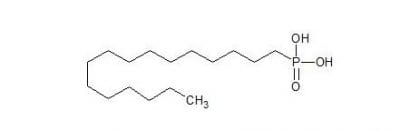


Advance Your Research with Reinste's Phosphonic Acid Derivatives
Ready to explore high-quality phosphonic acid derivatives for your analytical chemistry and nanomaterial research? Partner with Reinste for cutting-edge solutions.
Contact Our Experts Today