The Road Ahead: Tackling India's Infrastructure Challenge with Graphene Technology
India, a nation on a rapid trajectory of economic growth, is building its future on a vast network of roads. From the bustling arteries of its megacities to the vital rural routes connecting the heartland, the quality of our pavements is directly linked to our national progress. However, the challenges are immense. Extreme weather conditions, from scorching summer heat to torrential monsoon rains, combined with ever-increasing traffic loads, take a heavy toll on conventional asphalt roads. The result is a costly cycle of degradation: potholes, cracks, and rutting, leading to frequent, disruptive, and expensive maintenance.
For researchers, material scientists, and civil engineers across the country, this presents a critical problem to solve. How can we build roads that not only last longer but are also more resilient, sustainable, and economically viable in the long run? The answer may lie in a revolutionary nanomaterial: graphene. Hailed as a 'wonder material', graphene is a single layer of carbon atoms arranged in a honeycomb lattice. It is the thinnest, strongest, and most conductive material ever discovered. When used as an additive in asphalt, it unlocks a new frontier in pavement longevity and durability.
This is not just a theoretical concept. It's a practical, game-changing innovation that is gaining traction globally and holds immense promise for the Indian context. By integrating graphene additives into bitumen—the binding agent in asphalt—we can fundamentally re-engineer our roads at a molecular level. This article delves into the science, benefits, and applications of graphene-infused asphalt, exploring how this advanced material is set to redefine the standards of road construction and maintenance in India, making our infrastructure truly future-proof.
A Researcher's Perspective: The Unparalleled Benefits of Graphene in Asphalt
Enhanced Mechanical Strength
Graphene nanoplatelets act as a powerful reinforcing agent, significantly increasing the tensile strength and stiffness of the asphalt binder. This translates to a superior resistance against fatigue cracking and rutting caused by heavy vehicle loads, a critical factor for India's high-density traffic corridors.
Improved Thermal Stability
One of the biggest challenges for Indian roads is the wide temperature variation. Graphene improves the thermal conductivity of asphalt, reducing the formation of thermal cracks in cold weather and preventing softening or bleeding in extreme heat. This leads to a consistent performance across diverse climatic zones.
Superior Water Resistance
The hydrophobic (water-repelling) nature of graphene creates a barrier against moisture ingress. This drastically reduces the risk of stripping—where water weakens the bond between the aggregate and the binder—a primary cause of pothole formation, especially during the monsoon season.
Extended Pavement Lifespan
By mitigating the primary causes of road degradation, graphene additives can potentially double the lifespan of a road surface. This remarkable increase in pavement longevity means fewer interventions, reduced traffic disruption, and a more reliable transportation network.
Reduced Lifecycle Costs
While the upfront cost of graphene might be higher, the long-term savings are enormous. The drastic reduction in road maintenance and rehabilitation costs over the extended life of the pavement results in a significantly lower total cost of ownership, making it a sound investment for public and private infrastructure projects.
Sustainability and Green Construction
Longer-lasting roads mean less frequent need for new raw materials and energy-intensive reconstruction processes. This conservation of resources, coupled with a reduction in road repair-related carbon emissions, aligns perfectly with the goals of sustainable and green infrastructure development.
From Lab to Lane: Real-World Applications in Indian Infrastructure

National Highways & Expressways
For India's economic lifelines, like the Golden Quadrilateral and new expressways, durability is non-negotiable. Graphene-infused durable asphalt can withstand the relentless pounding of heavy freight traffic, reducing rut formation and ensuring a smooth, safe surface for high-speed travel. This construction innovation is key to building world-class highways.

Airport Runways and Taxiways
Airport pavements are subjected to extreme loads and require maximum reliability. The superior strength and thermal stability offered by graphene technology make it an ideal choice for runways, preventing surface deformation and cracking, thus enhancing aviation safety and minimizing costly downtime for repairs.

Urban and Municipal Roads
City roads suffer from constant stop-and-go traffic and frequent utility-related digging. Graphene-modified asphalt provides enhanced surface durability, resisting the formation of potholes and cracks that plague urban commuters. This leads to smoother rides, less vehicle damage, and more livable cities under initiatives like the Smart Cities Mission.
Paving the Nation's Future: Graphene Trends and Opportunities in India
The adoption of graphene technology in road construction is not just an upgrade; it's a strategic alignment with India's most ambitious national goals. The 'Make in India' initiative gets a significant boost from the domestic production and application of advanced infrastructure materials like graphene. As Indian companies scale up graphene production, it reduces reliance on imports and builds a self-sufficient ecosystem for next-generation construction.
Furthermore, the National Infrastructure Pipeline (NIP), with its unprecedented investment in transportation projects, creates a massive market for innovative and cost-effective solutions. Graphene-infused asphalt, with its promise of enhanced pavement longevity and reduced maintenance expenditure, is a perfect fit. It allows for the creation of assets that are built to last, ensuring that public investment delivers maximum value over its lifecycle. Professionals in transportation engineering are increasingly recognizing that a small initial investment in graphene additives can yield substantial long-term returns, making it a focal point of modern infrastructure planning.
The research and development landscape in India is also buzzing with activity. Premier institutions and a growing number of startups are exploring new formulations and application techniques for graphene in various composites. This synergy between academia and industry is crucial for standardizing graphene-asphalt mixes and developing best practices tailored to Indian conditions. As a result, we are on the cusp of a major shift in how we approach road maintenance and construction, moving from a reactive, repair-based model to a proactive, performance-based one, all thanks to the remarkable potential of graphene.
Frequently Asked Questions
Recommended Graphene Products for R&D
Enhancement Type Graphene: Superior Reinforcement for Polymer Composites
View Product
Graphene HDPE Reinforced Composites: Advanced Materials for High-Performance Applications
View Product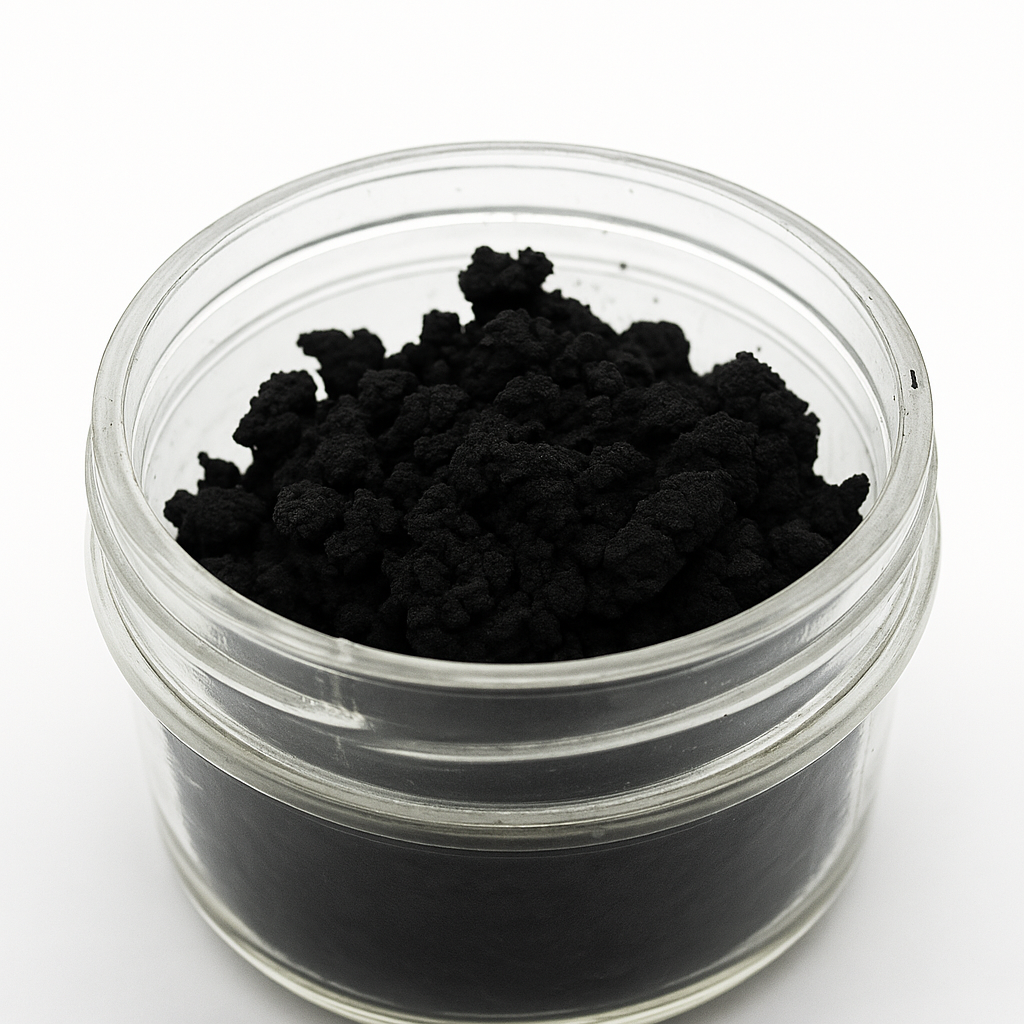
PureGRAPH Industrial Graphene
View Product
Graphene – Nanoplatelets, dry (8-25nm)
View ProductReady to Build the Future of Roads?
Join the revolution in road construction. Explore our range of high-performance graphene additives and start your journey towards building more durable, sustainable, and cost-effective infrastructure.
Contact Our Experts