
Industrial Nano Alumina Applications: Revolutionizing Indian R&D and Industry
Explore the transformative power of nano alumina in various industrial sectors, offering unparalleled performance and innovation for Indian researchers and professionals.
Explore Applications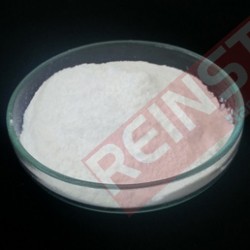
Unlocking Potential: Nano Alumina's Role in India's Industrial Evolution
In the rapidly evolving landscape of Indian research and development, advanced materials play a pivotal role in driving innovation and competitiveness. Among these, nano alumina stands out as a material with immense potential, offering a unique combination of properties that can revolutionize various industrial sectors. Nano alumina, or nanoscale aluminum oxide, refers to particles engineered to be incredibly small, typically ranging from 1 to 100 nanometers. This diminutive size unlocks extraordinary characteristics, including significantly increased surface area, enhanced hardness, superior thermal stability, and improved catalytic activity compared to its bulk counterparts. The journey of alumina from bulk material to its nanoscale form represents a significant leap in materials science, allowing engineers and scientists to manipulate its fundamental properties for unprecedented performance.
For Indian researchers and professionals, understanding and harnessing the capabilities of industrial nano alumina applications is crucial. As the nation pushes for self-reliance and technological advancement through initiatives like 'Make in India' and 'Atmanirbhar Bharat' (Self-Reliant India), the demand for high-performance, durable, and efficient materials is escalating. Nano alumina provides a versatile solution, enabling the development of next-generation products and processes across diverse fields, from automotive and electronics to energy and manufacturing. Its ability to impart strength, thermal resistance, and catalytic efficiency at a microscopic level makes it indispensable for creating smarter, more sustainable, and more resilient industrial solutions. This section provides an overview of how this remarkable material is poised to shape India's industrial future, highlighting its relevance and the exciting opportunities it presents for innovation and commercialization of nano alumina. The strategic integration of nano alumina into manufacturing and R&D pipelines can significantly enhance product lifecycles, reduce operational costs, and open new avenues for technological leadership. By exploring nano alumina case studies industrial and understanding nano alumina performance in industrial use, we can better appreciate its transformative impact and chart a course for its optimal utilization in the Indian industrial ecosystem.
Key Benefits of Nano Alumina for Indian Researchers & Industry
- Enhanced Material Properties: Nano alumina significantly improves the mechanical strength, hardness, and wear resistance of composites, ceramics, and coatings, leading to more durable and long-lasting products.
- Superior Thermal Management: With excellent thermal conductivity and stability, nano alumina is crucial in applications requiring efficient heat dissipation, such as in advanced electronics and high-temperature components.
- Improved Catalytic Activity: The high surface area of nano alumina makes it an exceptional support material for catalysts, boosting reaction efficiency and selectivity in chemical processes.
- Advanced Coatings & Films: It enables the creation of ultra-hard, scratch-resistant, and corrosion-protective coatings, extending the lifespan of industrial equipment and consumer goods.
- Lightweighting Solutions: In certain composite applications, nano alumina contributes to reducing material weight without compromising strength, which is vital for automotive and aerospace sectors.
- Energy Efficiency: By enabling more efficient catalysts and durable components, nano alumina indirectly contributes to energy savings and operational efficiency across industries.
- Versatility in Applications: Its adaptable properties allow for integration into a wide array of products, from cutting tools and abrasives to battery components and medical devices.
- Innovation Catalyst: For Indian R&D, nano alumina serves as a fundamental building block for developing novel materials and technologies, fostering intellectual property and technological leadership.
Real-world Nano Alumina Solutions: Industrial Case Studies
Advanced Ceramics & Refractories
Nano alumina significantly enhances the mechanical properties, thermal shock resistance, and density of advanced ceramic components and refractories. Its ultra-fine particles allow for denser packing and improved grain boundary strengthening, leading to superior toughness and reduced porosity. This is critical for high-performance industrial furnaces, specialized cutting tools, and wear-resistant parts used in extreme temperature and abrasive environments, leading to longer service life and improved operational efficiency. Indian manufacturers are increasingly leveraging these properties to produce more durable and reliable ceramic solutions for heavy industries like metallurgy and glass manufacturing, contributing to higher productivity and safety standards.
Electronics & Thermal Management
In the electronics industry, nano alumina is vital for thermal management, acting as a high-performance dielectric material in circuit boards, insulating layers, and a key component in efficient heat sinks. Its excellent thermal conductivity helps dissipate heat generated by microprocessors and power components, preventing overheating and significantly improving the reliability and lifespan of electronic devices. This is a rapidly growing area for innovation in India, especially with the surge in high-power electronics, 5G technology, and advanced computing, where managing heat is paramount for device performance and miniaturization. The ability of nano alumina to maintain electrical insulation while facilitating heat transfer makes it an indispensable material for next-generation electronic packaging.
Catalysis & Chemical Processing
As a support material for catalysts, nano alumina's exceptionally large surface area and finely tuned porous structure provide numerous active sites for chemical reactions. This leads to dramatically increased catalytic efficiency, selectivity, and stability in various industrial processes, including petrochemical refining, environmental remediation (e.g., automotive catalytic converters), and the synthesis of fine chemicals. By enabling more efficient and selective reactions, nano alumina offers greener and more economical solutions for Indian chemical industries, reducing waste, energy consumption, and raw material usage. Its role is crucial in developing sustainable chemical processes aligned with environmental regulations.
Coatings & Surface Engineering
Nano alumina is extensively used in advanced coatings to impart superior hardness, scratch resistance, and corrosion protection to surfaces. These ultra-durable coatings are applied to a wide range of products, from precision tools and automotive parts to industrial machinery and even consumer electronics. By creating a protective barrier at the nanoscale, nano alumina significantly extends the durability and functional lifespan of components, reducing wear and tear and lowering maintenance costs. This application is crucial for enhancing the longevity of assets in demanding industrial settings, contributing to operational resilience and economic efficiency across sectors.
Abrasives & Polishing Media
Due to its inherent extreme hardness and fine particle size, nano alumina is an excellent material for high-performance abrasives and precision polishing media. It's utilized in critical applications such as precision grinding, lapping, and super-finishing across industries like optics, semiconductor manufacturing, and metallurgy. The uniform size and shape of nano alumina particles enable finer finishes and more efficient material removal with minimal surface damage, which is essential for producing high-quality components with tight tolerances. This translates to superior product performance and aesthetics in various high-tech manufacturing processes.
Energy Storage Solutions
In the burgeoning field of energy storage, particularly lithium-ion batteries, nano alumina is employed as a critical coating material for separators or electrode particles. This application significantly enhances thermal stability, preventing thermal runaway, and improves overall battery safety and performance by mitigating dendrite formation and improving electrolyte compatibility. This is crucial for India's ambitious push towards electric vehicles (EVs), grid-scale energy storage, and portable electronics, where safety, longevity, and efficiency of batteries are paramount. Nano alumina innovations are key to developing next-generation, safer, and higher-capacity battery technologies.
India's Nano Alumina Landscape: Opportunities and Future Trends
The Indian market for nano alumina is poised for significant growth, driven by several factors unique to the subcontinent. Government initiatives such as 'Make in India' and the broader 'Atmanirbhar Bharat' (Self-Reliant India) campaign are creating a fertile ground for the indigenous development and adoption of advanced materials like nano alumina powder. Researchers and professionals in India are increasingly exploring novel nano alumina synthesis methods that are both cost-effective and scalable, aiming to establish robust domestic production capabilities and reduce reliance on imports. This strategic focus is critical for national security and economic resilience in key industrial sectors.
Key nano alumina market trends in India indicate a rising demand from burgeoning sectors like automotive, aerospace, electronics, and renewable energy. For instance, the rapid expansion of the electric vehicles (EVs) market is boosting the need for high-performance materials in battery components and thermal management systems, where nano alumina in electronics plays a crucial role in enhancing safety and efficiency. Similarly, the growth in smart infrastructure projects and digital transformation initiatives necessitates advanced materials for reliable and durable electronic components. Furthermore, India's increasing emphasis on sustainable development is encouraging the exploration of nano alumina benefits in environmental applications, such as advanced filtration membranes for water purification, catalysts for industrial emission control, and durable coatings for energy-efficient buildings.
Opportunities abound for local production and commercialization of nano alumina, fostering a robust domestic supply chain and creating new employment avenues in high-tech manufacturing. Indian R&D institutions, in collaboration with industry partners, are actively engaged in understanding the nuanced nano alumina properties and developing novel nano alumina applications tailored to specific local industrial requirements. This collaborative approach between academia and industry is vital for translating cutting-edge research into tangible, real-world nano alumina solutions that address national challenges and global demands. The upcoming years will likely see a surge in nano alumina production capabilities within India, supported by advancements in synthesis techniques, material characterization, and a growing pool of skilled scientists and engineers.
Investing in research infrastructure and fostering a culture of nano alumina innovations will not only strengthen India's position in the global advanced materials landscape but also provide competitive advantages across various manufacturing sectors. The strategic integration of nano alumina into diverse industrial value chains promises a future of enhanced performance, greater resource efficiency, and sustainable industrial growth, aligning perfectly with India's aspirations for technological leadership and economic prosperity.
Frequently Asked Questions about Industrial Nano Alumina
Ready to Innovate with Nano Alumina?
Connect with Reinste's experts to explore how our advanced nano alumina solutions can elevate your research and industrial applications. Let's build the future together.
Get a Quote