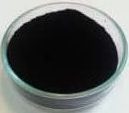
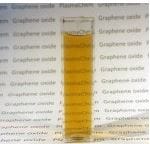
The global fight against cancer is one of the most significant challenges of modern medicine. In India, the burden of cancer is substantial and growing, demanding innovative and effective therapeutic strategies. Traditional treatments like chemotherapy and radiation, while potent, often come with debilitating side effects due to their lack of specificity. This is where nanomedicine, particularly the use of graphene nanoparticles, is poised to create a paradigm shift. For Indian researchers and professionals in the biomedical and materials science fields, graphene represents a frontier of immense opportunity—a chance to develop next-generation cancer therapies that are more targeted, efficient, and accessible.
Graphene, a single layer of carbon atoms arranged in a two-dimensional honeycomb lattice, is a material of superlatives. Its extraordinary properties—a vast surface area, exceptional thermal conductivity, and tunable surface chemistry—make it an ideal platform for targeted drug delivery. By loading anti-cancer drugs onto graphene-based nanocarriers, it's possible to transport these potent agents directly to tumor cells, bypassing healthy tissue and revolutionizing the very concept of cancer treatment.
Why Graphene is a Game-Changer for Researchers
For scientists and innovators in India's burgeoning R&D ecosystem, working with graphene nanoparticles offers a multitude of advantages:
- High Drug Loading Capacity: The massive surface area of graphene allows for an exceptionally high amount of therapeutic agents to be loaded onto a single nanoparticle, increasing treatment efficacy.
- Enhanced Biocompatibility: Graphene oxide, a derivative, is highly dispersible in biological fluids. It can be functionalized with biocompatible polymers like PEG to reduce toxicity and improve circulation time in the body.
- Multi-Modal Therapeutic Potential: Graphene isn't just a vehicle. Its ability to absorb near-infrared (NIR) light makes it a powerful agent for Photothermal Therapy (PTT), where it can generate localized heat to ablate tumors.
- Precision Targeting: The surface of graphene nanoparticles can be decorated with specific ligands (like antibodies or peptides) that bind exclusively to receptors overexpressed on cancer cells, ensuring pinpoint accuracy in targeted treatment.
- Opportunities for Indigenous Innovation: Developing graphene-based therapies aligns perfectly with national initiatives like "Make in India," fostering domestic production of advanced medical technologies and reducing reliance on expensive imports.
Key Biomedical Applications in Cancer Therapy
The versatility of graphene nanoparticles has unlocked several promising avenues in oncology research. Here are some of the most impactful applications being explored today:
Targeted Drug Delivery
This is the cornerstone application. Graphene oxide nanoparticles serve as nano-carriers for chemotherapy drugs like Doxorubicin (DOX). The drugs are attached via pH-sensitive bonds, ensuring they are only released in the acidic microenvironment of a tumor, which enhances their cytotoxic effect on cancer cells while protecting healthy ones. This is a critical evolution in drug delivery systems.
Photothermal Therapy (PTT)
Graphene's strong optical absorption in the NIR region (700-1100 nm) is a key advantage. When graphene nanoparticles accumulate in a tumor and are irradiated with an NIR laser, they rapidly convert light into heat, raising the local temperature to levels that induce cancer cell death (apoptosis). This non-invasive technique offers a powerful alternative to surgery.
Synergistic Chemo-Thermal Therapy
The true power of graphene-based therapy lies in combining approaches. By co-loading a drug and using the nanoparticle for PTT, researchers can achieve a synergistic effect. The heat from PTT can enhance the permeability of cancer cell membranes, making them more susceptible to the chemotherapy drug, leading to a far more potent anti-cancer outcome.
Bioimaging and Diagnostics
Functionalized graphene nanoparticles can also be used as contrast agents for various imaging modalities like magnetic resonance imaging (MRI) and fluorescence imaging. This allows for real-time tracking of the nanoparticles within the body, confirming their accumulation at the tumor site and enabling early diagnosis and treatment monitoring.
Opportunities & Trends for Graphene Nanomedicine in India
The Indian R&D landscape is ripe with potential for advancing graphene nanomedicine. The convergence of a world-class talent pool, increasing government funding for scientific research, and a robust pharmaceutical industry creates a fertile ground for innovation. Key trends indicate a shift towards personalized medicine, where treatments are tailored to an individual's specific cancer profile. Graphene nanoparticles are perfectly suited for this future, as they can be customized for specific drugs and cancer types.
Institutions across the country are spearheading research into graphene oxide nanoparticles for cancer therapy. The focus is not just on efficacy but also on scalability and cost-effectiveness. Developing manufacturing processes that can produce high-quality, clinical-grade graphene materials at a low cost is a primary goal. Success in this area would make these advanced therapies accessible to a larger segment of the population, addressing a critical public health need. The journey from laboratory research to clinical application is complex, involving rigorous testing for biocompatibility and long-term safety, but the momentum in Indian oncology research is undeniable.
Ready to Advance Your Research?
Harness the potential of graphene for your next breakthrough. Explore our range of high-purity graphene oxide and functionalized nanoparticles designed for cutting-edge biomedical applications.
View Research-Grade MaterialsFrequently Asked Questions
Graphene nanoparticles are single-atom-thick sheets of carbon atoms arranged in a honeycomb lattice, but on a nanometer scale. Their unique properties, such as a massive surface area, excellent conductivity, and biocompatibility, make them ideal candidates for advanced biomedical applications, especially in nanomedicine.
Graphene nanoparticles act as sophisticated carriers for anti-cancer drugs. They can be functionalized to specifically target cancer cells, delivering a high concentration of therapeutic agents directly to the tumor site. This targeted approach minimizes damage to healthy tissues and reduces the severe side effects associated with traditional chemotherapy. They are also used in photothermal therapy, where they absorb light to generate heat and destroy cancer cells.
The safety and biocompatibility of graphene nanoparticles are areas of intense research. Studies show that when properly functionalized and used in controlled concentrations, materials like graphene oxide exhibit low toxicity. The key is surface modification (e.g., with PEG) to ensure they are stable and non-toxic in the body. Long-term biocompatibility studies are ongoing to pave the way for clinical trials.
Graphene is a pure carbon sheet, which is hydrophobic. Graphene Oxide (GO), on the other hand, has oxygen-containing functional groups, making it hydrophilic and easily dispersible in water and biological fluids. This property makes GO much easier to work with for drug delivery and other biomedical applications, as it can be readily functionalized to attach drugs and targeting molecules.
India is a burgeoning hub for nanomedicine research. Premier institutions like the IITs, IISc, and various CSIR labs are actively involved in developing graphene-based cancer therapies. While most of the work is currently at the pre-clinical stage, the progress is rapid. The focus is on developing cost-effective, scalable solutions tailored to address the specific healthcare challenges faced in the country.