Building Resilience from the Atom Up
India's rapid urbanization and strategic location within a seismically active region present a unique challenge for civil engineering: the need for infrastructure that is not only ambitious but also exceptionally resilient. Earthquakes pose a constant threat to buildings, bridges, and critical facilities, making the development of advanced construction materials a national priority. This is where the groundbreaking innovation of graphene-infused concrete comes into play, offering a paradigm shift in our approach to structural reinforcement and seismic safety.
At its core, graphene is a single layer of carbon atoms arranged in a hexagonal lattice. It is the strongest material ever tested, incredibly lightweight, and an excellent conductor. When microscopic amounts of graphene are dispersed into a concrete mixture, they act as a nanoscale reinforcement, creating a composite material with vastly superior properties. This isn't just a marginal improvement; it's a revolutionary leap. The resulting earthquake-resistant concrete can better withstand the immense tensile and shear stresses that seismic waves exert on a structure, potentially saving lives and preventing catastrophic economic losses.
For Indian researchers, engineers, and construction professionals, understanding and adopting graphene admixtures is no longer a futuristic concept but a present-day opportunity. It represents a chance to lead the world in creating durable, long-lasting infrastructure that can withstand the tests of time and nature.
Key Benefits for Researchers & Industry
Unprecedented Strength and Durability
Even a small addition of graphene (as little as 0.05% by weight) can increase the compressive and flexural strength of concrete by over 30%. This allows for the design of leaner, more efficient structures, reducing material consumption and overall project costs.
Enhanced Ductility and Flexibility
Unlike traditional concrete, which is brittle, graphene-infused concrete exhibits higher ductility. This means it can deform and flex under pressure without fracturing, a critical attribute for dissipating the energy from an earthquake and preventing sudden structural collapse.
Improved Crack Resistance
Graphene nanoplatelets bridge micro-cracks as they form, effectively arresting their propagation. This leads to a significant reduction in permeability, protecting the steel rebar from corrosion and extending the lifespan of the structure.
Sustainability and Reduced Carbon Footprint
By enabling the construction of stronger, more durable structures with less material, graphene helps reduce the cement industry's significant carbon footprint. Longer-lasting buildings also mean fewer resources are needed for repairs and reconstruction.
Real-World Applications in India
High-Rise Buildings and Metros
In densely populated urban centers like Mumbai and Delhi, structural reinforcement with graphene concrete can enhance the seismic safety of skyscrapers and critical public transport systems, ensuring they remain operational after a seismic event.
Bridges and Overpasses
The enhanced durability and fatigue resistance offered by graphene composites make them ideal for bridges, which are subjected to constant dynamic loads and environmental stressors, ensuring long-term infrastructure durability.
Critical Infrastructure
For nuclear power plants, hospitals, and dams, structural integrity is non-negotiable. Using graphene-infused concrete for earthquake-resistant structures provides an additional layer of safety, safeguarding essential services and preventing environmental disasters.
Opportunities and Future Trends in India
The push for advanced construction materials in India is gaining momentum, driven by government initiatives like 'Make in India' and the Smart Cities Mission. This creates a fertile ground for R&D in graphene admixtures. Indian research institutions are actively exploring cost-effective methods for producing and dispersing graphene in concrete, aiming to make this technology more accessible for widespread adoption. The market for advanced concrete solutions is projected to grow significantly, with a focus on materials that offer both high performance and sustainability.
For professionals in civil engineering, this trend signals a shift towards performance-based design, where the unique properties of materials like graphene can be fully leveraged. The development of standardized codes and practices for using graphene-infused concrete will be the next critical step, paving the way for its integration into mainstream construction projects and solidifying India's position as a leader in building resilience.
Frequently Asked Questions
Graphene-infused concrete is a next-generation composite material where tiny amounts of graphene, a single layer of carbon atoms, are added to a standard concrete mix. This addition dramatically enhances the material's properties, making it significantly stronger, more durable, and more flexible than traditional concrete.
Graphene improves earthquake resistance in two main ways: by increasing tensile strength and enhancing ductility. Its incredible strength helps the concrete resist the pulling forces common during seismic events, while its ability to form strong bonds within the concrete matrix allows the structure to bend and flex under stress without fracturing, dissipating seismic energy more effectively.
While still an emerging technology, graphene admixtures and composites are becoming increasingly available for industrial and research purposes in India. Companies like Reinste and Hiyka are at the forefront, providing various graphene products that can be used for developing advanced concrete solutions. Commercial-scale adoption is growing as research translates into practical applications.
The initial material cost of graphene admixtures can be higher than traditional additives. However, the long-term economic benefits often outweigh the upfront investment. The superior strength of graphene-infused concrete can lead to reduced material usage, lower maintenance costs over the building's lifespan, and enhanced safety, which provides significant value.
Recommended Products for R&D
Enhancement Type Graphene: Superior Reinforcement for Polymer Composites
View Product
Graphene HDPE Reinforced Composites: Advanced Materials for High-Performance Applications
View Product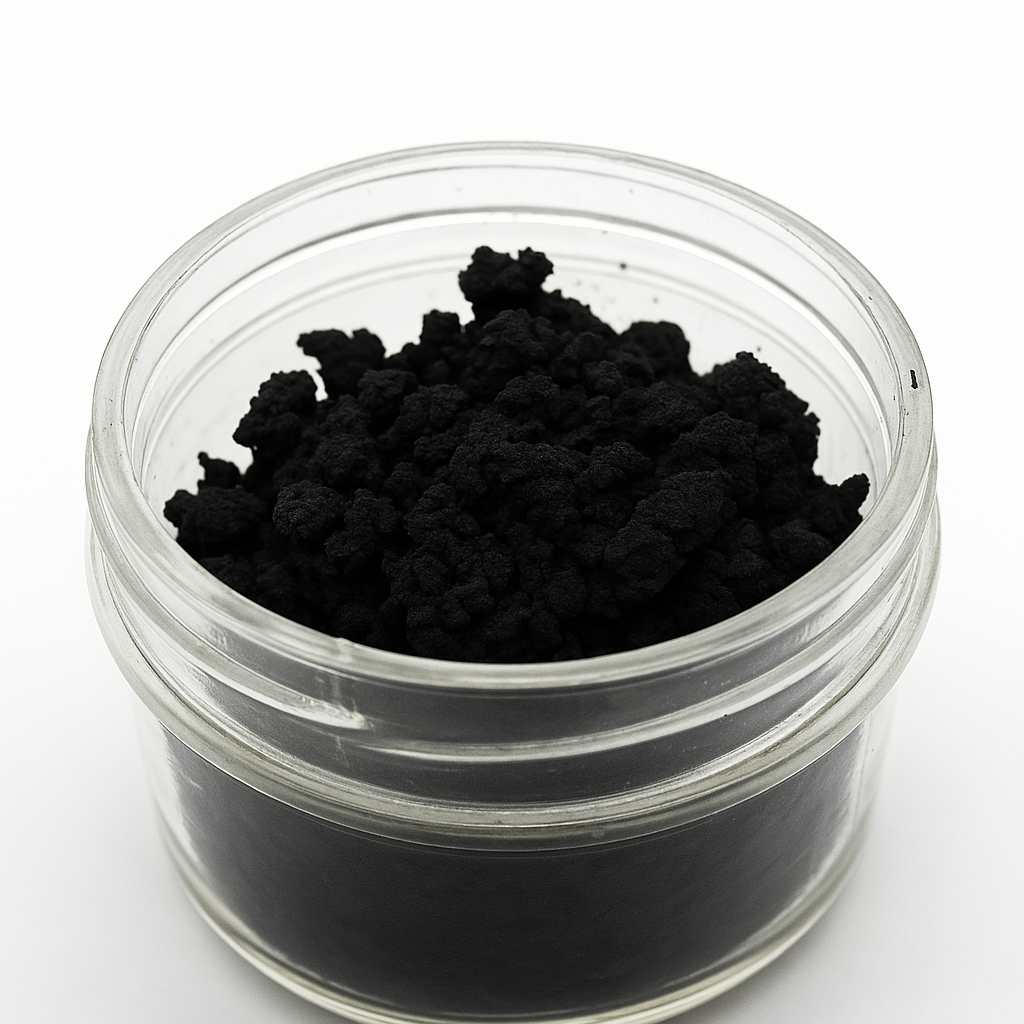
PureGRAPH Industrial Graphene
View Product
Graphene – Nanoplatelets, dry (8-25nm)
View ProductReady to Innovate?
Explore our range of advanced graphene materials or contact our experts to discuss how we can support your research and development in advanced construction materials.
Get in Touch