The Dawn of a New Era in Construction: Graphene Concrete
India is on a trajectory of unprecedented growth, with rapid urbanization and ambitious infrastructure projects shaping its future. From towering skyscrapers to extensive highway networks, the demand for robust, long-lasting construction materials has never been greater. However, conventional concrete, while a cornerstone of the industry, faces significant challenges related to durability, maintenance, and environmental impact. Enter graphene concrete, a revolutionary material poised to redefine the standards of structural integrity and longevity.
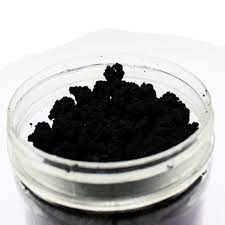
At its core, graphene is a single layer of carbon atoms arranged in a two-dimensional honeycomb lattice. When incorporated as a concrete additive, this nanomaterial imparts extraordinary properties to the traditional mix. For Indian researchers, civil engineers, and construction professionals, understanding and adopting graphene-enhanced concrete is not just an option but a necessity. It offers a tangible solution to building infrastructure that can withstand India's diverse and often harsh climatic conditions, from coastal humidity to extreme inland temperatures, thereby ensuring greater infrastructure durability and safety for generations to come.
Unlocking Unprecedented Benefits for Researchers and Industry
The integration of graphene into concrete is more than just an incremental improvement; it's a quantum leap in material science. For researchers in India, it opens up a vast field of study in nanomaterials in construction. For the industry, it translates into tangible, high-impact advantages:
- Exponential Strength Increase: Even a minuscule amount of graphene (as little as 0.05% by weight) can increase the compressive and flexural strength of concrete by over 100% and 50%, respectively. This allows for the design of sleeker, lighter structures without compromising on safety.
- Enhanced Durability and Longevity: Graphene significantly reduces water permeability by creating a more compact and less porous microstructure. This makes the concrete highly resistant to water ingress, chloride ion penetration, and chemical attacks, drastically reducing corrosion of steel reinforcement (rebar) and extending the lifespan of the structure.
- Superior Crack Resistance: The nanomaterial acts as a bridge at the micro-level, arresting the propagation of cracks as they form. This inherent self-healing characteristic improves the overall structural integrity and reduces the need for frequent, costly repairs.
- Sustainability and Reduced Carbon Footprint: Cement production is a major contributor to global CO2 emissions. Because graphene-enhanced concrete is so much stronger, it's possible to build the same structures using significantly less material—potentially halving the amount of concrete required. This directly translates to a smaller carbon footprint, aligning with India's sustainability goals.
- Opportunities for Smart Concrete: Graphene's electrical conductivity opens up possibilities for developing 'smart concrete' that can self-sense stress, strain, and cracks, enabling real-time structural health monitoring—a critical feature for vital infrastructure like bridges and dams.
Transforming Industries: Key Applications in India
The practical applications of graphene concrete are vast and particularly relevant to India's development narrative. Here are some key areas where this advanced material can make a significant impact:
High-Performance Infrastructure
For critical projects like long-span bridges, coastal sea links, and nuclear containment structures, infrastructure durability is non-negotiable. Graphene concrete provides the necessary strength and resistance to corrosion and environmental degradation, ensuring these assets last for over a century with minimal maintenance.
Skyscrapers and High-Rise Buildings
As Indian cities grow vertically, the need for stronger and lighter building materials is paramount. Graphene concrete allows for smaller columns and thinner slabs, freeing up valuable floor space and reducing the overall dead load of the structure, enabling more ambitious architectural designs.
Durable Roadways and Pavements
India's road network is its economic lifeline. Using graphene-enhanced concrete for pavements can drastically reduce wear and tear from heavy traffic and extreme weather, leading to fewer potholes, lower maintenance costs, and smoother, safer travel.
Water-Retaining Structures
The impermeability of graphene concrete makes it an ideal material for dams, canals, and water treatment plants. It prevents seepage and protects the reinforced concrete from water-induced damage, ensuring the long-term integrity of India's vital water resources.
Riding the Wave: India-Specific Trends and Opportunities
The push for advanced construction materials in India is gaining momentum, driven by both government initiatives and private sector innovation. The "Make in India" campaign encourages domestic production and R&D, creating a fertile ground for companies specializing in nanomaterials in construction. Premier research institutions like the IITs and CSIR labs are actively investigating graphene composites, paving the way for localized solutions tailored to Indian conditions.
For Indian professionals, this is a golden opportunity. There is a growing demand for civil engineers and material scientists with expertise in graphene composites and advanced concrete additives. Startups focusing on scalable production of graphene and its dispersion technologies are emerging, creating a new ecosystem of innovation. Investing in this knowledge and technology today will place Indian researchers and companies at the forefront of a global construction revolution, building a stronger, more resilient, and sustainable India.