
The Dawn of a New Catalytic Era in India
In the heart of India's burgeoning industrial landscape, a quiet revolution is underway. The chemical sector, a cornerstone of the nation's 'Make in India' ambition, stands at the cusp of a paradigm shift, driven by a material of incredible promise: graphene. For decades, industrial catalysis has been the invisible engine powering countless chemical processes, from refining fuels to synthesizing life-saving pharmaceuticals. However, traditional catalysts often face limitations in efficiency, cost, and environmental impact. This is where **graphene catalysts** enter the scene, offering a transformative solution.
These are not just incremental improvements; **graphene-supported catalysts** represent a leap forward in catalyst design. By leveraging the unique properties of graphene—a single layer of carbon atoms arranged in a honeycomb lattice—researchers and engineers in India can now develop **nanocatalysts** with unparalleled performance. These advanced materials promise to enhance **reaction efficiency**, reduce energy consumption, and pave the way for greener, more sustainable **chemical processes**. This article delves into the world of **graphene-based catalysts for chemical reactions**, exploring their benefits, diverse applications, and the immense opportunities they present for Indian researchers and industries.
Core Benefits for Researchers & Industry
Unmatched Surface Area
Graphene's massive theoretical surface area provides an expansive playground for catalytic nanoparticles, preventing aggregation and maximizing the number of active sites available for chemical reactions. This directly translates to superior **catalytic activity**.
Enhanced Stability and Durability
The exceptional mechanical strength and thermal stability of graphene make it a robust support material. **Graphene-supported catalysts** exhibit longer lifespans and are more resistant to deactivation, leading to significant cost savings in **industrial catalysis**.
Superior Electron Mobility
Graphene's remarkable conductivity facilitates rapid electron transfer, a critical factor in many catalytic reactions, particularly in electrocatalysis and photocatalysis. This boosts **reaction efficiency** and enables novel reaction pathways.
Tunable and Versatile Chemistry
The surface of graphene and its derivatives (like graphene oxide) can be easily functionalized. This allows scientists to precisely anchor catalyst nanoparticles and tune the catalyst's properties for specific reactions, leading to higher selectivity and optimized **chemical processes**.
Industrial Applications Across India
Environmental Remediation
Graphene-based photocatalysts are proving highly effective in degrading organic pollutants in industrial wastewater. For a nation focused on cleaning its rivers and water bodies, these **nanocatalysts** offer a powerful tool for water purification and detoxification, tackling contaminants that are resistant to conventional methods.
Pharmaceutical Synthesis
India's world-class pharmaceutical industry can leverage **graphene catalysts** for complex organic syntheses. Their high selectivity reduces the formation of unwanted byproducts, simplifying purification processes and increasing the yield of active pharmaceutical ingredients (APIs), ultimately making drug manufacturing more efficient and cost-effective.
Petrochemical & Refining
In the petrochemical sector, **graphene-supported catalysts** can improve the efficiency of crucial processes like catalytic cracking and desulfurization. This leads to higher quality fuels, reduced sulfur emissions, and better overall **process optimization**, aligning with stricter environmental norms and boosting profitability.
Energy Conversion & Storage
As India pushes towards renewable energy, **graphene catalysts** are vital for technologies like fuel cells and water splitting for hydrogen production. Their high **catalytic activity** for oxygen reduction reactions (ORR) makes them a promising, low-cost alternative to platinum, accelerating the transition to a clean energy economy.
Fine Chemicals & Agrochemicals
The production of fine chemicals and advanced agrochemicals requires precise molecular control. The tunable nature of **graphene catalysts** allows for the development of highly specific catalytic systems, improving yields and creating novel products that can boost agricultural productivity and support the specialty **chemical industry**.
CO2 Conversion to Value-Added Products
A frontier application is the catalytic conversion of carbon dioxide into useful fuels and chemicals like methanol or formic acid. **Graphene-based nanocatalysts** are at the forefront of this research, offering a pathway to a circular carbon economy and turning a greenhouse gas into a valuable industrial feedstock.
India-Specific Trends and Opportunities
The adoption of **graphene catalysts** in India is not just a scientific curiosity; it's a strategic imperative. The 'Make in India' initiative, coupled with a strong push for self-reliance (Atmanirbhar Bharat), creates a fertile ground for domestic R&D and manufacturing of these advanced materials. Indian research institutions like the IITs, IISc, and CSIR labs are already producing world-class research in **graphene chemistry** and catalysis. The key opportunity lies in bridging the gap between laboratory-scale success and industrial-scale implementation.
Startups and established chemical companies in India that invest in **process optimization** using graphene-based solutions will gain a significant competitive edge. The focus on green chemistry and sustainable development goals provides further impetus. By replacing hazardous and expensive heavy-metal catalysts with efficient and eco-friendly **graphene-supported catalysts**, Indian industries can not only meet global environmental standards but also enhance their brand value and export potential. The future of **industrial catalysis** in India will likely be defined by how effectively we harness the power of materials like graphene to build a more efficient, profitable, and sustainable chemical industry.
Recommended Materials for Catalyst R&D

Graphene Oxide Suspension
View Product →
Graphite Oxide Powder
View Product →
Graphene – Nanoplatelets, dry (8-25nm)
View Product →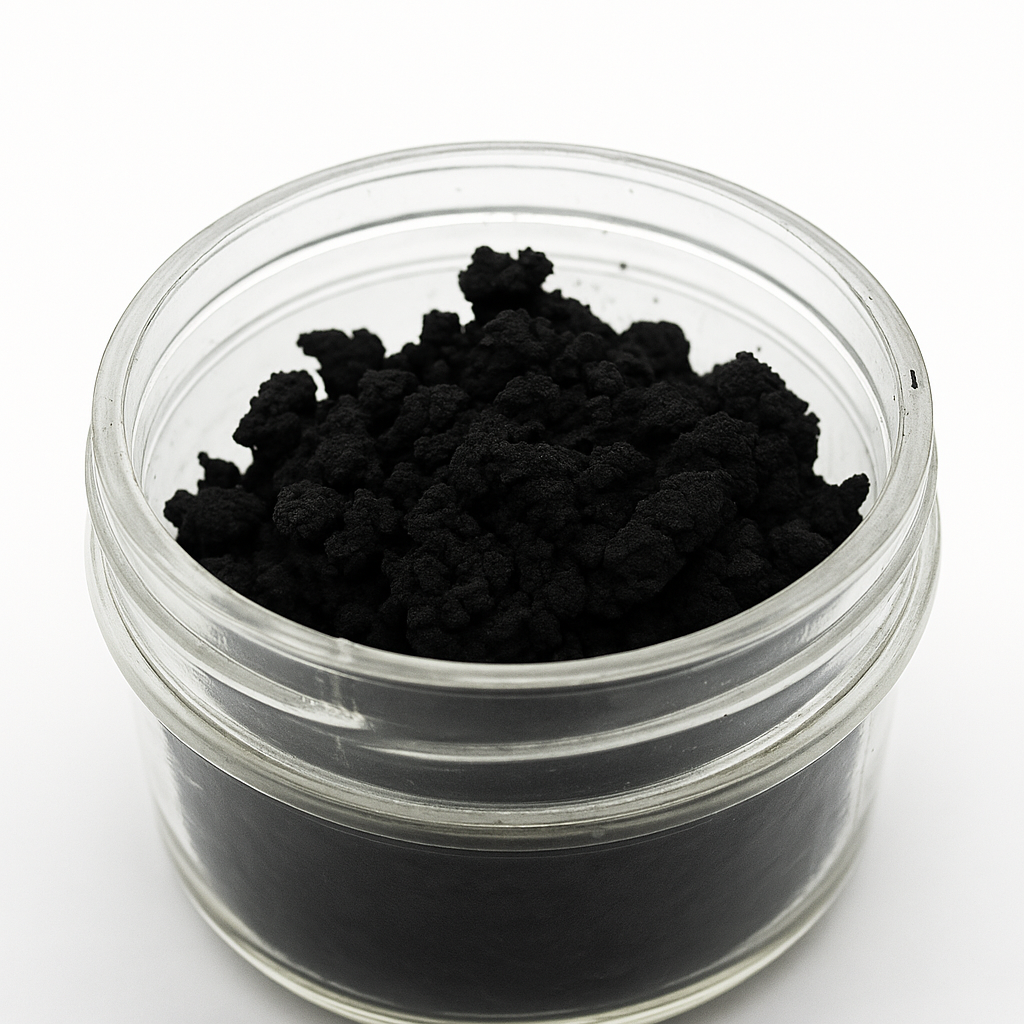
PureGRAPH Industrial Graphene
View Product →Frequently Asked Questions
Graphene's extraordinary properties, such as its massive surface area (theoretically ~2630 m²/g), superior electron mobility, and robust mechanical strength, make it an ideal scaffold. It prevents catalyst nanoparticles from clumping together, ensuring maximum active sites are exposed, which significantly boosts catalytic activity and reaction efficiency.
While still in advanced stages of research and development for many large-scale applications, graphene-based catalysts are commercially available for specialized uses. The primary hurdles for widespread adoption are cost-effective, large-scale production of high-quality graphene and process integration. However, with falling production costs and government initiatives like 'Make in India,' commercial viability is rapidly increasing.
Graphene-supported catalysts often exhibit superior performance. They can enhance the efficiency of precious metals like platinum by requiring significantly less material for the same or better output (higher atom economy). Furthermore, graphene can be used to create highly effective metal-free catalysts, offering a low-cost, sustainable alternative to expensive and rare traditional catalysts.
Key challenges include achieving consistent quality in large-scale graphene production, controlling the size and distribution of catalyst nanoparticles on the graphene surface, preventing the restacking of graphene sheets, and ensuring the long-term stability of the catalyst under harsh industrial conditions. Overcoming these hurdles is the focus of current research in graphene chemistry and material science.
Absolutely. Graphene catalysts are central to green chemistry initiatives. They enable reactions at lower temperatures and pressures, reducing energy consumption. Their high selectivity minimizes waste byproducts, and their durability allows for repeated use, reducing industrial waste. By replacing toxic or heavy-metal catalysts, they also contribute to safer and more environmentally friendly chemical processes.
Ready to Advance Your Research?
Explore our range of high-purity graphene materials and partner with us to accelerate your R&D in industrial catalysis. Let's innovate together.
Get in Touch