
A New Frontier in Flight Safety: The Graphene Revolution
In the high-stakes world of aerospace, ensuring flight safety is paramount. One of the most persistent and dangerous challenges pilots and engineers face is ice accretion on aircraft surfaces. From wings and stabilizers to engine inlets and sensors, ice buildup can disrupt aerodynamics, add significant weight, and lead to catastrophic failures. For decades, the aviation industry has relied on energy-intensive thermal systems or environmentally questionable chemical de-icing fluids. But a paradigm shift is underway, driven by one of the most remarkable materials of the 21st century: graphene.
Graphene anti-icing coatings are emerging as a game-changing technology, promising a lighter, more efficient, and more reliable solution for ice prevention. For India, with its rapidly expanding aerospace and defense sectors and ambitious "Make in India" initiative, this innovation isn't just an academic curiosity—it's a strategic opportunity. As Indian researchers and professionals push the boundaries of material science, understanding the potential of graphene composites and coatings is crucial. This article delves into the science behind graphene anti-icing technology, its profound benefits for aerospace applications, the burgeoning opportunities within the Indian R&D ecosystem, and the advanced materials making it all possible.
Why Graphene is a Game-Changer for Researchers and Engineers
Unmatched Performance and Efficiency
- Superior Hydrophobicity: Graphene surfaces can be engineered to be superhydrophobic, causing water to bead up and roll off before it has a chance to freeze. This passive anti-icing mechanism is highly efficient.
- Exceptional Thermal Conductivity: Graphene is one of the most thermally conductive materials known. This allows for electrothermal anti-icing systems that require significantly less power to generate heat and melt ice compared to traditional heaters.
- Lightweight Profile: Graphene composites are incredibly light and strong. Replacing heavy conventional systems with thin graphene coatings reduces overall aircraft weight, leading to substantial fuel savings and increased payload capacity.
Durability and Advanced Research Opportunities
- Enhanced Durability: Graphene-enhanced coatings exhibit excellent mechanical strength and adhesion, making them resistant to the harsh conditions of high-altitude flight, including erosion from rain, dust, and UV radiation.
- Multi-Functional Capabilities: Beyond anti-icing, these coatings can be designed to provide corrosion resistance, EMI shielding, and even structural health monitoring, offering an all-in-one surface protection solution.
- A Fertile Ground for R&D: For Indian researchers, graphene opens up new avenues in material science, from optimizing graphene layer dispersion in composites to developing novel application techniques. It’s a field ripe for innovation and patents.
Key Aerospace Applications for Graphene Coatings

Aircraft Wings and Control Surfaces
Applying graphene anti-icing coatings to wings, ailerons, and tail fins is critical. These surfaces are vital for maintaining lift and control, and even a thin layer of ice can severely compromise flight safety. Graphene offers a seamless, lightweight protective layer.

Engine Nacelles and Propellers
Ice shedding from engine inlets or propeller blades can cause catastrophic damage. Graphene's superior thermal properties allow for rapid, low-energy de-icing, ensuring engines operate smoothly and safely in all weather conditions.
Sensors and Antennas
Pitot tubes, angle-of-attack sensors, and communication antennas must remain ice-free to provide accurate data to the flight crew. Transparent graphene coatings can protect these sensitive instruments without interfering with their function, a critical aspect of aviation safety.
The Indian Context: Opportunities in Aerospace Innovation
The push for self-reliance in defense and aerospace under the 'Aatmanirbhar Bharat' mission creates a fertile ground for advanced materials like graphene. Indian research institutions like the IITs, IISc, and national labs are at the forefront of graphene research. The opportunity lies in bridging the gap between lab-scale research and industrial-scale production of graphene-enhanced coatings for anti-icing in aerospace applications.
Collaborations between these academic powerhouses and private sector players are essential. The demand for enhanced aircraft safety and ice prevention in both commercial and military aviation is a strong market driver. Developing indigenous graphene composites and coatings will not only bolster national security but also position India as a key player in the global aerospace technology supply chain. The focus should be on creating robust, certifiable aviation materials that meet the stringent standards of flight safety organizations.
Featured Graphene Materials for Advanced Coatings

Graphene Anti-Corrosion Slurry: Advanced Protection for Industrial Applications
View Product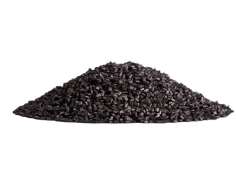
Graphene Epoxy Resin Masterbatch for Advanced Coating Applications
View Product
Graphene Based Anti Corrosion Coating (Epoxy Solvent Based)
View Product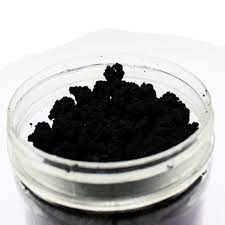
Enhancement Type Graphene: Superior Reinforcement for Polymer Composites
View ProductFrequently Asked Questions
How do graphene anti-icing coatings work?
Graphene anti-icing coatings work through a combination of hydrophobicity and photothermal/electrothermal properties. Their superhydrophobic surface repels water droplets before they can freeze. Additionally, the excellent thermal conductivity of graphene allows these coatings to be heated with a small electrical current (electrothermal) or by absorbing sunlight (photothermal), melting any ice that begins to form.
What are the main advantages of graphene coatings over traditional anti-icing methods?
The main advantages include being lightweight, which improves fuel efficiency; having superior durability and adhesion; providing passive anti-icing through hydrophobicity, reducing energy consumption; and offering a more environmentally friendly alternative to chemical de-icing fluids.
Are graphene anti-icing coatings commercially available in India?
While the technology is still maturing globally, several Indian research institutions and companies are actively developing and testing graphene-based coatings. Commercial-grade solutions for specific aerospace applications are emerging. Companies like Hiyka offer advanced graphene materials, such as slurries and masterbatches, that serve as the building blocks for these innovative coatings.
What challenges still exist for the widespread adoption of these coatings?
Challenges include scaling up production to meet aerospace industry demands, ensuring long-term durability under extreme flight conditions (UV radiation, erosion, temperature fluctuations), meeting stringent aviation certification standards, and reducing manufacturing costs to make them economically viable for widespread use.
Ready to Innovate with Graphene?
Advance your research and product development with our high-quality graphene solutions. Explore our product line or contact our experts to discuss your specific application needs.
Contact Us Today