An Introduction to Fullerenes: The Molecule of the Future
In the ever-evolving landscape of nanotechnology, few discoveries have sparked as much excitement and potential as that of **fullerenes**. These fascinating molecules, perfect spheres made entirely of carbon atoms, are not just a scientific curiosity but a cornerstone of next-generation technology. For the vibrant research and development community in India, understanding the **benefits of fullerenes** is paramount. From medicine to electronics, the **applications of fullerenes** are paving the way for innovations that could redefine our future.
First identified in 1985, the most famous fullerene, Buckminsterfullerene (C60), is composed of 60 carbon atoms arranged in a structure resembling a soccer ball. This unique cage-like architecture bestows upon it extraordinary electronic, mechanical, and antioxidant properties. As India continues to strengthen its position as a global hub for scientific research and industrial manufacturing, harnessing the power of advanced materials like fullerenes is no longer an option, but a necessity. This article delves into the profound **benefits of fullerenes**, explores their current and future **industrial uses**, and highlights the burgeoning opportunities for Indian researchers and professionals in the field of **fullerenes and nanotechnology**.
Key Benefits of Fullerenes for Indian Researchers
Unparalleled Antioxidant Properties
Fullerenes are incredibly powerful antioxidants, capable of neutralizing free radicals without being consumed in the process. This makes them invaluable for research in **fullerenes in medicine**, particularly in developing treatments for neurodegenerative diseases, inflammation, and even in anti-aging cosmetic formulations.
Superior Electron Acceptors
In the realm of materials science, the ability of fullerenes to accept electrons makes them ideal components for organic photovoltaics (solar cells). Indian researchers working on renewable energy can leverage this property to design more efficient and cost-effective solar technologies, a critical goal for the nation's energy security.
Ideal Drug Delivery Vehicles
The hollow, cage-like structure of fullerenes can be used to encapsulate drug molecules. This opens up revolutionary possibilities for targeted drug delivery, where medication can be delivered directly to cancer cells or specific tissues, minimizing side effects. This is a key area of **fullerene research** with immense benefits for society.
Enhanced Material Strength and Durability
When incorporated into polymers and other materials, fullerenes can dramatically increase their strength, thermal stability, and durability. This has significant **industrial uses of fullerenes**, from creating lightweight composites for the aerospace and automotive industries to developing more resilient coatings and lubricants.
Transformative Industrial Applications of Fullerenes
Fullerenes in Medicine
The medical field is one of the most promising areas for **fullerene applications**. Their use as MRI contrast agents, antiviral agents, and in photodynamic therapy for cancer treatment is under active investigation. The antioxidant properties are also being harnessed for dermatological and cosmetic products.
Electronics & Energy
Fullerenes are integral to the development of organic electronics. They are used as n-type semiconductors in organic solar cells, improving their efficiency and stability. Their unique electronic properties also make them candidates for next-generation transistors, sensors, and data storage devices.
Advanced Materials & Composites
The **industrial uses of fullerenes** extend to creating high-performance materials. By adding small amounts of fullerenes to polymers, manufacturers can produce plastics that are stronger, lighter, and more resistant to heat and radiation, with applications in automotive, aerospace, and sporting goods.
The Fullerene Market Outlook: India-Specific Trends & Opportunities
The global **fullerenes market outlook** is on a steep upward trajectory, and India is poised to play a crucial role. With the government's "Make in India" and "Atmanirbhar Bharat" initiatives, there is a strong push for domestic R&D and manufacturing of high-tech materials. The **synthesis of fullerenes**, though complex, is becoming more streamlined, making them increasingly accessible for industrial-scale projects.
A key trend is the growing synergy between academic research and industrial application. Indian institutions are ramping up their **fullerenes research**, focusing on cost-effective synthesis methods and novel applications tailored to local needs, such as water purification and affordable healthcare diagnostics. The **fullerene research benefits for society** are clear, and a supportive ecosystem is emerging. For professionals, this translates into growing career opportunities in material science, biotechnology, and renewable energy sectors. Companies that can provide a reliable supply of high-purity fullerenes, like **Fullerene C60** and **Fullerene C70**, are critical enablers of this burgeoning innovation landscape.
High-Purity Fullerenes for Your Research
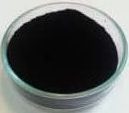
Fullerene C70, 99+%
View Product
Fullerene C60, 99+%
View Product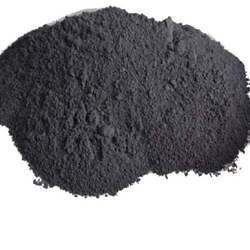
Fullerene Extract
View Product
Fullerol
View ProductFrequently Asked Questions
Fullerenes are a unique class of carbon allotropes, molecules composed entirely of carbon, that form hollow spheres, ellipsoids, or tubes. The most famous member is Buckminsterfullerene (C60), which resembles a soccer ball. Their unique structure gives them remarkable properties, making them a cornerstone of nanotechnology.
For Indian researchers, fullerenes represent a frontier of material science with vast potential. They are crucial for developing next-generation technologies in medicine (drug delivery, diagnostics), electronics (organic photovoltaics), and high-performance materials. Access to high-purity fullerenes from suppliers like Hiyka empowers Indian R&D to compete globally.
Industrially, fullerenes are used in lubricants, polymer composites for strengthening materials, catalysts, and increasingly in cosmetics for their antioxidant properties. Their application in solar cells and biomedical imaging are promising areas of growth.
The safety of fullerenes is an active area of research. While pristine fullerenes have low toxicity, their functionalized derivatives (where other molecules are attached) can have varying biological interactions. Researchers must adhere to strict safety protocols. Generally, their use in controlled industrial and medical applications is considered safe under specific guidelines.
Ready to Advance Your Research?
Harness the potential of nanotechnology with our extensive range of high-purity fullerenes. From C60 to custom derivatives, find the perfect materials for your innovative projects.
Explore All Fullerene Products