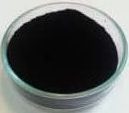
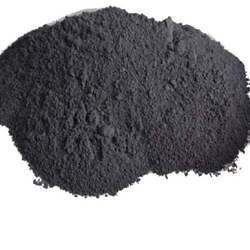
Introduction: The Dawn of a New Materials Era
In the ever-evolving landscape of materials science, few discoveries have sparked as much excitement and possibility as the fullerene. These unique, cage-like carbon molecules, particularly the iconic C60 "buckyball," represent a distinct allotrope of carbon alongside diamond and graphite. However, their true power is unlocked when they are integrated into other materials, creating fullerene composites. These advanced materials are at the forefront of nanotechnology, promising to revolutionize industries from aerospace to medicine.
For India, a nation rapidly ascending as a global hub for research and development, understanding and harnessing the potential of fullerene research is not just an academic pursuit—it's a strategic imperative. The unique fullerene properties, such as exceptional strength, superconductivity, and high electron affinity, make them ideal candidates for developing next-generation technologies. As Indian researchers and professionals delve deeper into fullerene applications, they are paving the way for homegrown innovations that can solve some of the country's most pressing challenges in energy, healthcare, and manufacturing. This guide serves as a comprehensive resource for the Indian scientific community, exploring the fundamental properties, diverse applications, and emerging opportunities in the fascinating world of fullerene nanostructures.
Why Should Indian Researchers Focus on Fullerene Composites?
Engaging in fullerene based polymer composites research and other fullerene studies offers a significant competitive advantage. Here are the key benefits for researchers in India:
- Groundbreaking Discoveries: The field of fullerenes is still ripe with potential. Researchers can make fundamental discoveries in materials science, physics, and chemistry, leading to high-impact publications and patents.
- Enhanced Material Performance: By integrating fullerenes, researchers can dramatically improve the mechanical, thermal, and electrical properties of conventional materials like polymers and metals, creating high-performance composites for demanding applications.
- Interdisciplinary Collaboration: Fullerene research is inherently interdisciplinary, bridging chemistry, physics, engineering, and medicine. This fosters collaboration between various R&D institutions and industries across India.
- Solving National Challenges: Developing advanced fullerene applications can lead to solutions for national priorities, such as creating efficient solar cells, advanced water purification systems, and novel drug delivery mechanisms.
- Access to a Growing Market: The global market for nanomaterials, including fullerenes, is expanding rapidly. Expertise in fullerene technology positions Indian researchers and their institutions at the forefront of this lucrative and impactful field.
Industrial Applications: Where Fullerene Composites Make a Difference
The theoretical promise of fullerene properties translates into tangible, real-world applications across various sectors. The ability of fullerene nanostructures to enhance host materials opens up a new toolbox for engineers and product developers.
Advanced Electronics & Solar Cells
Fullerenes are exceptional electron acceptors, a key trait for organic photovoltaics (OPVs). In fullerene composites used for solar cells, they facilitate the separation of charge carriers, boosting the efficiency of converting sunlight into electricity. Their use in transistors and sensors is also a major area of fullerene research.
Biomedical & Drug Delivery
The hollow cage of fullerene molecules can encapsulate drug molecules. By functionalizing the outer surface of these fullerene derivatives, scientists can target specific cells (like cancer cells) for precise drug delivery, minimizing side effects. Their antioxidant properties are also being explored for neuroprotective therapies.
High-Strength, Lightweight Materials
When mixed with polymers, fullerenes create composites that are significantly stronger and lighter than the polymer alone. This is critical for the aerospace and automotive industries, where reducing weight directly translates to fuel efficiency and performance. These fullerene composites are ideal for fabricating durable, lightweight components.
Industrial Catalysis
The unique electronic structure and high surface area of fullerene nanostructures make them excellent catalysts or catalyst supports. They can accelerate chemical reactions, making industrial processes more efficient and less wasteful. This is a key area of fullerene synthesis and application research.
Advanced Lubricants
Fullerene nanoparticles, when added to lubricating oils, can act like nano-ball bearings, reducing friction and wear between moving parts. This extends the lifespan of machinery and improves energy efficiency. The creation of specialized fullerene film layers is key to this technology.
Environmental Remediation
Fullerene-based composites are being developed for advanced water purification membranes. Their structure can be tailored to filter out contaminants and their reactive properties can help in breaking down pollutants, offering a high-tech solution to water scarcity and pollution challenges in India.
Opportunities & Trends: The Indian Context for Fullerene Research
India's scientific community is uniquely positioned to become a global leader in fullerene technology. Several factors contribute to a fertile ground for innovation in this domain. The "Make in India" initiative encourages domestic development of high-tech materials, and fullerene composites fit perfectly within this vision. By developing proprietary methods for fullerene synthesis and creating novel composites, Indian companies can reduce reliance on imported advanced materials.
Furthermore, government bodies like the Department of Science and Technology (DST) and the Council of Scientific & Industrial Research (CSIR) have been actively funding nanotechnology initiatives. This provides a crucial financial backbone for long-term fullerene research projects at universities and national labs. The focus is shifting from fundamental research towards translational research, aiming to convert laboratory breakthroughs into commercially viable products. For young researchers and established professionals, this signals a clear career path with immense growth potential.
A key trend is the development of cost-effective manufacturing processes for fullerenes and their derivatives. While the initial cost of fullerenes was a barrier, ongoing research in India is focused on optimizing production to make these materials more accessible for industrial use. This focus on affordability will be the primary driver for the widespread adoption of fullerene applications in consumer and industrial products, from reinforced plastics to more efficient batteries.
Frequently Asked Questions
What are fullerene composites?
Fullerene composites are advanced materials created by integrating fullerene molecules (like C60 or C70) into a host matrix, which can be a polymer, metal, or ceramic. This combination enhances the material's properties, such as mechanical strength, thermal stability, and electrical conductivity, making them suitable for high-performance applications.
Why are fullerenes considered important in nanotechnology?
Fullerenes are a cornerstone of nanotechnology due to their unique hollow-cage structure, exceptional electron affinity, and high strength. These properties make them ideal building blocks for creating novel nanostructures and devices, driving innovation in fields like medicine, electronics, and materials science.
What is the difference between C60 and C70 fullerenes?
The primary difference lies in their structure and the number of carbon atoms. C60 has a spherical, soccer-ball-like shape composed of 60 carbon atoms. C70, with 70 carbon atoms, has a more elongated, rugby-ball-like shape. This structural difference leads to variations in their electronic properties and solubility, making them suitable for different applications.
Are fullerene composites safe to handle in a lab?
Like all nanomaterials, fullerene composites should be handled with care, following standard laboratory safety protocols. This includes using personal protective equipment (PPE) like gloves and masks to prevent inhalation or skin contact, and working in well-ventilated areas or under a fume hood. Researchers should consult the Material Safety Data Sheet (MSDS) for specific handling instructions.