
Functionalized Fullerenes: A Researcher's Guide to Synthesis and Applications in India
Unlock the potential of nanotechnology by understanding the synthesis, properties, and groundbreaking applications of functionalized fullerenes in the Indian R&D landscape.
Explore NowUnveiling the Power of Functionalized Fullerenes
In the expansive realm of nanotechnology, few discoveries have captured the scientific imagination quite like the fullerene. These unique carbon allotropes, affectionately known as "buckyballs," are soccer-ball-shaped molecules composed of 60 or more carbon atoms. While pristine fullerenes like C60 and C70 possess remarkable electronic and physical properties, their true potential is unlocked through a process called functionalization. This involves strategically attaching other atoms or molecular groups to the fullerene cage, transforming them into powerful tools for innovation.
For researchers and professionals in India, a nation rapidly advancing in materials science and nanotechnology, understanding functionalized fullerenes is no longer optional—it's essential. The challenge with raw fullerenes is their poor solubility in most solvents, which severely hampers their use in biological systems and solution-based processing. Functionalization directly addresses this, enhancing solubility, tailoring electronic properties, and enabling biocompatibility. This opens doors to revolutionary applications, from targeted cancer therapies and advanced medical imaging to next-generation solar cells and high-performance catalysts.
This guide delves into the core aspects of fullerene synthesis and functionalization techniques, providing Indian researchers with the foundational knowledge to leverage these incredible nanomaterials. As India continues to champion initiatives like 'Make in India' and invests heavily in scientific R&D, functionalized fullerenes stand out as a key area for domestic innovation and global leadership.
Why Should Researchers Focus on Fullerene Functionalization?
Enhanced Solubility & Processability
Attaching hydrophilic groups (like -OH in Fullerol) transforms insoluble fullerenes into water-soluble materials, making them suitable for biological applications and easier to process in labs.
Tailored Electronic Properties
Functionalization allows for the fine-tuning of a fullerene's electron-accepting capabilities, which is critical for creating more efficient organic photovoltaic (OPV) devices and electronic sensors.
Biocompatibility and Targeted Delivery
By adding biocompatible polymers or targeting ligands, fullerenes can be engineered to safely navigate the human body and deliver drugs directly to cancer cells, minimizing side effects.
Increased Reactivity and Catalytic Activity
Functional groups can serve as active sites, turning the relatively inert fullerene cage into a high-surface-area support for catalysts used in industrial chemical reactions.
Groundbreaking Applications Across Industries
Medicine & Drug Delivery
Functionalized fullerenes act as potent antioxidants and can be designed as carriers for targeted drug delivery systems, photodynamic therapy for cancer, and contrast agents for MRI imaging.
Organic Electronics
Their superior electron-accepting ability makes them a star component in organic solar cells (OPVs) and transistors, paving the way for flexible, low-cost electronic devices.
Energy Storage & Catalysis
As high-surface-area materials, they are explored for hydrogen storage applications and as supports for catalysts, enhancing reaction efficiency in the chemical industry.
Advanced Materials
Incorporating functionalized fullerenes into polymers can create super-strong, lightweight composites for aerospace and automotive industries, as well as high-performance lubricants.
Indian Landscape: Trends and Opportunities in Fullerene Research
The Indian government's focus on nanotechnology through initiatives like the Nano Mission has created a fertile ground for advanced materials research. Fullerene applications are at the forefront of this scientific push. Premier institutions across the country, from IISc Bangalore to the IITs, are actively investigating the synthesis and application of various nanostructured materials, including carbon nanotubes and buckyballs. The demand for novel solutions in healthcare, water purification, and renewable energy aligns perfectly with the capabilities of functionalized fullerenes.
One of the most promising areas for fullerene functionalization techniques for researchers in India is in the development of affordable healthcare diagnostics and therapeutics. Engineering water-soluble fullerenes for photodynamic therapy could offer a low-cost alternative for cancer treatment. Furthermore, as India aims to expand its solar energy capacity, research into fullerene-based organic photovoltaics (OPVs) presents a significant opportunity to develop indigenous, cost-effective solar technologies. The unique fullerene properties, when harnessed correctly, can directly contribute to national missions and drive economic growth through high-tech manufacturing.
Featured Fullerene Products for Your Research
Fullerol
View Product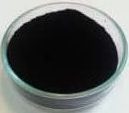
Fullerene C60, 99+%
View Product
Fullerene C70, 99+%
View Product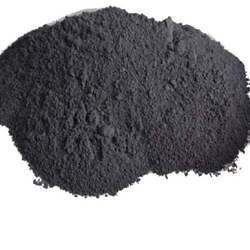
Fullerene Extract
View ProductFrequently Asked Questions
Functionalized fullerenes are fullerene molecules (like C60 or C70) that have had other chemical groups or molecules attached to their surface. This process, called functionalization, is done to modify their properties, such as improving solubility, altering electronic characteristics, or making them biocompatible for medical applications.
Pristine fullerenes are notoriously insoluble in water and many common solvents, which limits their practical use. Functionalization overcomes this limitation and allows researchers to precisely tune the fullerene's properties for specific applications, such as targeted drug delivery, creating advanced sensors, or developing more efficient solar cells.
Fullerene synthesis primarily involves the arc discharge of graphite rods or laser ablation. Functionalization techniques are more varied and include covalent methods like cycloadditions (e.g., Prato, Bingel reactions) and non-covalent methods like host-guest complexation or π-π stacking. The choice of method depends on the desired final properties of the nanomaterial.
Yes, research and application of functionalized fullerenes are growing in India. Indian academic institutions and R&D labs are actively exploring their use in areas like biomedical imaging, water purification, and renewable energy. The 'Make in India' initiative and a focus on advanced materials are further boosting this trend.