
Introduction: The Dawn of the Fullerene Age in Indian R&D
In the vast and fascinating world of materials science, few discoveries have sparked as much excitement as that of fullerenes. These unique, cage-like carbon molecules, epitomized by the iconic C60 "buckyball," represent a third major form of carbon, alongside diamond and graphite. Their discovery in 1985 opened a new chapter in nanotechnology, revealing a substance with remarkable electronic, mechanical, and chemical properties. For India, a nation rapidly ascending as a global hub for research and development, understanding and harnessing the potential of fullerene applications is not just an academic pursuit—it's a strategic imperative.
The relevance of fullerene research to Indian industry is profound. From advanced drug delivery systems in our burgeoning pharmaceutical sector to high-efficiency solar cells addressing our energy needs, fullerenes offer innovative solutions. Their unique structure allows them to act as superior antioxidants, radical scavengers, and photosensitizers. As Indian researchers and professionals delve deeper into materials science, the study of fullerene properties and their derivatives becomes crucial for developing next-generation technologies that are both cutting-edge and commercially viable.
Why Researchers Should Be Excited: The Unique Benefits of Fullerenes
For scientists and engineers in India, working with fullerenes provides a distinct competitive advantage. Their unique characteristics open up avenues of research that are simply not possible with conventional materials. Here’s why these carbon cages are a game-changer:
- Exceptional Electron Affinity: Fullerenes are excellent electron acceptors, making them a cornerstone material in organic photovoltaics (OPVs) and perovskite solar cells, a key area of fullerene research aimed at sustainable energy.
- Tunable Properties via Functionalization: The surface of a fullerene molecule can be chemically modified to create a wide array of fullerene derivatives. This allows researchers to fine-tune their solubility, electronic properties, and biocompatibility for specific applications.
- Unprecedented Antioxidant Activity: Fullerenes can neutralize a large number of free radicals without being consumed themselves. This makes them incredibly potent antioxidants, with promising applications in cosmetics, anti-aging therapies, and neuroprotective agents.
- Biocompatibility and Drug Delivery Potential: Water-soluble fullerene derivatives have shown low toxicity and the ability to cross biological barriers. Their hollow cage can encapsulate drug molecules, paving the way for targeted drug delivery systems that minimize side effects.
- Superior Mechanical Strength: Like other carbon nanomaterials, fullerenes exhibit incredible strength and resilience, making them ideal reinforcing agents in high-performance polymer composites for aerospace and automotive industries.
A Universe of Applications: Where Fullerenes Are Making an Impact
Advanced Medicine & Pharmacology
The unique ability of fullerenes to scavenge free radicals and deliver drugs makes them invaluable in medicine. Research in India is focused on using fullerene derivatives as MRI contrast agents, photosensitizers in photodynamic therapy for cancer, and as novel antiviral and antibacterial agents.
Renewable Energy Solutions
In the quest for clean energy, fullerenes are stars. They are critical components in organic solar cells, acting as the n-type semiconductor. The field of fullerene-based battery research applications is also exploding, with studies showing their potential to improve the capacity and stability of lithium-ion batteries.
Next-Generation Electronics
The semiconductor properties of fullerenes are being harnessed to create novel electronic components like transistors and sensors. Their use in organic field-effect transistors (OFETs) promises to lead to flexible, low-cost electronics, a market where Indian manufacturing can excel.
Advanced Composites & Lubricants
Incorporating fullerenes into polymers creates composites with enhanced strength, thermal stability, and conductivity. They are also used as superior additives in lubricants, reducing friction and wear in machinery, a direct benefit for India's heavy manufacturing sector.
The Indian Landscape: Opportunities and Trends in Fullerene Research
The fullerene market in India is poised for significant growth, driven by both government initiatives and private sector innovation. The "Make in India" campaign and a focus on indigenous R&D have created a fertile ground for advanced materials science. Key trends indicate a rising demand for high-purity fullerenes and their derivatives from academic institutions like the IITs and IISc, as well as from industries in the pharmaceutical, renewable energy, and specialty chemicals sectors.
A major focus area is the synthesis and production of fullerenes. While arc discharge remains a common method, Indian researchers are exploring more scalable and cost-effective techniques to bring down the cost of production, which has been a traditional barrier. The development of efficient separation and purification processes for different types of fullerenes (C60, C70, etc.) is a critical area of ongoing research. Success here will be pivotal in making fullerene applications more widespread and economically viable.
Furthermore, the synergy between fullerene research and India's IT and AI strengths presents unique opportunities. Computational modeling is being used to predict the properties of new fullerene derivatives, accelerating the discovery process. This data-driven approach allows for the targeted design of molecules for specific functions, from battery electrodes to drug candidates. The convergence of nanotechnology and biotechnology, in particular, positions India to become a leader in fullerene-based diagnostics and therapeutics.
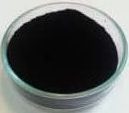
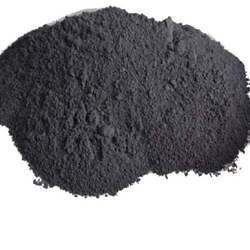
High-Purity Fullerenes for Your Research
Frequently Asked Questions
Fullerenes are a unique class of carbon allotropes, molecules composed entirely of carbon atoms, that form hollow spheres, ellipsoids, or tubes. The most famous fullerene is the Buckminsterfullerene (C60), which has a soccer-ball-like structure of 20 hexagons and 12 pentagons.
Fullerenes are primarily synthesized through methods like the arc discharge method, where an electric arc is struck between two graphite electrodes in an inert atmosphere. Other methods include laser ablation of graphite and chemical vapor deposition (CVD). The resulting soot contains a mixture of fullerenes like C60 and C70, which are then separated using chromatography.
Fullerenes possess exceptional properties, including high electron affinity, excellent conductivity, superior strength-to-weight ratio, and the ability to encapsulate other atoms or molecules. These properties make them highly valuable in electronics, materials science, and medicine.
The biocompatibility of fullerenes depends on their functionalization. Pristine fullerenes are hydrophobic and can show some toxicity. However, by attaching water-soluble groups (creating derivatives like fullerols), their biocompatibility can be significantly improved, making them suitable for applications like drug delivery and bio-imaging.
Ready to Advance Your Research?
Access high-purity fullerenes and their derivatives to power your next big discovery. Explore our catalog or contact our experts for custom requirements.
Contact Us Today