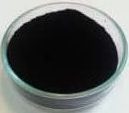
An Introduction to the 'Wonder Molecules'
In the ever-evolving world of materials science, few discoveries have sparked as much excitement and possibility as **Fullerenes**. First identified in 1985, these fascinating molecules are a unique form, or allotrope, of carbon. Imagine a soccer ball at a microscopic level—that's the structure of the most famous fullerene, **Buckminsterfullerene (C60)**. This family of nanostructures also includes other cage-like molecules and their more famous cousins, **Carbon Nanotubes (CNTs)**.
But what makes them so special? Fullerenes possess a combination of properties that are nothing short of revolutionary. They are incredibly strong, lightweight, and have exceptional electronic and thermal conductivity. This unique skill set makes them a cornerstone of **Nanotechnology**, a field poised to redefine industries from medicine to electronics.
For India, a nation rapidly ascending as a global hub for R&D and high-tech manufacturing, understanding and harnessing the power of fullerenes is not just an academic pursuit—it's a strategic imperative. From government-backed research initiatives to a burgeoning startup ecosystem, the demand for **Advanced Materials** like fullerenes is at an all-time high, promising to unlock innovations that can solve some of the country's most pressing challenges.
Why Researchers are Turning to Fullerenes
-
Unprecedented Strength-to-Weight Ratio
Ideal for creating next-generation composites for aerospace, defense, and automotive industries where durability and low weight are critical.
-
Exceptional Electrical & Thermal Conductivity
Opens doors for more efficient solar cells, faster transistors, and advanced thermal management solutions in electronics.
-
High Surface Area & Biocompatibility
The cage-like structure of the **C60 Molecule** is perfect for encapsulating drug molecules for targeted delivery, while its biocompatibility makes it a candidate for advanced medical therapies and diagnostic tools.
-
Unique Optical and Antioxidant Properties
Their ability to absorb free radicals makes them powerful antioxidants, with applications in cosmetics and life-extension research. Their optical properties are being explored for sensors and optical limiters.
Transforming Industries: Key Applications
Medicine & Pharmaceuticals
Fullerenes are revolutionizing healthcare. Their hollow structure allows them to carry drug payloads directly to cancer cells, minimizing side effects. As powerful antioxidants, they combat cellular damage, and their use as contrast agents is improving the clarity of MRI scans.
Electronics & Energy
In the quest for clean energy, fullerenes are key players in organic photovoltaics (solar cells), boosting efficiency. **Carbon Nanotubes**, a related **nanostructure**, are being used to create faster, smaller, and more powerful computer chips and transparent, conductive films for flexible displays.
Advanced Materials Science
When added to polymers, fullerenes create ultra-strong, lightweight composites. This is critical for building more fuel-efficient aircraft and vehicles. They also serve as superior lubricants and coatings, reducing friction and wear in machinery.
Chemical Nanotechnology
As catalysts, the high surface area of fullerenes accelerates chemical reactions, making industrial processes more efficient and environmentally friendly. They are also being explored for hydrogen storage applications, a critical step towards a hydrogen-based economy.
The Indian Landscape: Trends and Opportunities
India's focus on self-reliance through initiatives like 'Make in India' and the 'National Mission on Nanoscience and Nanotechnology' has created fertile ground for advanced R&D. The study of **Carbon Allotropes**, including **Fullerenes** and **Graphene**, is no longer confined to premier research labs. Today, there is a surge in **fullerene research projects for engineering students** across IITs, NITs, and other top universities. These projects are crucial for building a skilled workforce ready to lead the nanotechnology revolution.
The convergence of **Chemical Nanotechnology** and India's manufacturing prowess presents immense opportunities. Local production of high-value **Advanced Materials** can reduce import dependency and create a competitive edge in global markets. For researchers and companies in India, this is the perfect time to invest in the infrastructure and expertise needed to innovate with these remarkable **nanostructures**. Access to high-purity materials is the first and most critical step in this journey.
Frequently Asked Questions
Fullerenes are cage-like spherical molecules made of carbon atoms, with C60 (Buckminsterfullerene) being the most famous. Carbon Nanotubes (CNTs) are cylindrical nanostructures, essentially rolled-up sheets of graphene. While both are allotropes of carbon, their shapes give them different properties and applications; fullerenes are excellent for drug delivery and as antioxidants, while CNTs excel in electronics and structural reinforcement.
The toxicity of fullerenes is a complex topic. Pristine fullerenes have low solubility in water and generally show low toxicity. However, functionalized or modified fullerenes (like Fullerol) can have different biological interactions. Research is ongoing, but their biocompatibility is a key area of study for medical applications, with many derivatives proving to be safe and effective for therapeutic uses.
Fullerenes are typically synthesized by creating an electric arc between two carbon or graphite electrodes in an inert atmosphere. This process vaporizes the carbon, which then condenses into a soot containing a mixture of C60, C70, and other fullerenes. These are then separated and purified using techniques like chromatography.
In India, C60 molecules show immense promise in advanced materials, pharmaceuticals, and renewable energy. Key areas include developing high-efficiency organic solar cells, creating powerful antioxidants for healthcare supplements, designing targeted drug delivery systems for diseases like cancer, and reinforcing materials for the aerospace and defense sectors.
For Indian researchers and institutions, sourcing high-purity fullerenes like C60 and C70 is crucial. Reputable suppliers like Hiyka, a Reinste company, provide a wide range of certified nanomaterials, ensuring quality and consistency for demanding research and development projects.
Related Products for Your Research

Ready to Start Your Nanotechnology Project?
Access high-purity fullerenes and other advanced nanomaterials to fuel your innovation. Contact our experts to get the right materials for your research.
Contact Us