Fullerenes: The Nanoscale Revolution in Cancer Treatment and Research
Discover the unique properties of fullerenes and their groundbreaking applications in oncology, from targeted drug delivery to advanced photodynamic therapies, shaping the future of medicine in India.
Explore NowIntroduction: The Dawn of a New Era in Nanomedicine
In the ever-evolving landscape of scientific discovery, few materials have captured the imagination of researchers quite like fullerenes. These unique carbon allotropes, shaped like microscopic soccer balls, represent a cornerstone of nanotechnology. For the Indian research and development community, which stands at the cusp of significant breakthroughs in medicine and materials science, understanding the potential of fullerenes is not just an academic exercise—it's a gateway to innovation. The primary keyword that unlocks this world is, of course, **fullerenes** themselves, but their true impact becomes clear when we explore concepts like **fullerenes cancer treatment** and the broader field of **fullerene research**.
First discovered in 1985, the most famous member of this family, Buckminsterfullerene (C60), opened up a new chapter in materials science. But what makes these molecules so special? It's their hollow cage-like structure, high electron affinity, and immense surface area, which can be functionalized with various chemical groups. These **fullerene properties** make them ideal candidates for a range of applications, particularly in biomedicine. In a country like India, with its burgeoning pharmaceutical industry and world-class research institutions, the exploration of **fullerene derivatives** for medical applications is a field ripe with opportunity. This article delves into the transformative role of fullerenes, with a special focus on their revolutionary applications in oncology and their relevance to researchers and professionals across India.
Why Should Indian Researchers Focus on Fullerenes?
For scientists and innovators in India, engaging with **fullerene research** offers a competitive edge. The unique characteristics of these nanoparticles provide solutions to some of the most pressing challenges in medicine and technology. Here are the key benefits:
- Exceptional Antioxidant Properties: Fullerenes are potent radical scavengers, capable of neutralizing harmful free radicals. This property is invaluable in developing treatments for neurodegenerative diseases, inflammation, and mitigating the side effects of conventional cancer therapies.
- Ideal Drug Delivery Vehicles: The hollow structure of fullerenes allows them to encapsulate drug molecules. By functionalizing their surface, scientists can create targeted delivery systems that transport therapeutic agents directly to cancer cells, minimizing damage to healthy tissue. This is a critical area in **fullerenes cancer treatment** research.
- Superior Photosensitizers: In Photodynamic Therapy (PDT), fullerenes absorb light and transfer the energy to surrounding oxygen, creating singlet oxygen that is highly toxic to cancer cells. Their high efficiency in this process makes them superior to many traditional photosensitizers.
- Advancements in Bio-imaging: Fullerene derivatives can be combined with imaging agents (like MRI contrast agents) to create powerful diagnostic tools. This allows for precise tumor imaging and monitoring treatment efficacy, a key aspect of **applications of fullerenes in nanotechnology**.
- Vast Potential for Derivatization: The ability to create a wide array of **fullerene derivatives** by attaching different functional groups allows researchers to fine-tune their properties (like solubility and biocompatibility) for specific applications, from biosensors to novel therapeutics.
Key Applications in Cancer Research and Beyond
The theoretical benefits of fullerenes translate into tangible, groundbreaking applications. In India, where there's a strong focus on developing affordable and effective healthcare solutions, **fullerene applications** in oncology are particularly significant. Here’s a look at the most promising areas:
Photodynamic Therapy (PDT)
Fullerenes excel as photosensitizing agents. When exposed to a specific wavelength of light, they generate reactive oxygen species (ROS) that induce apoptosis (programmed cell death) in malignant tumors. This approach offers a targeted, minimally invasive alternative to traditional chemotherapy, and **fullerene and cancer research studies** are actively refining this technique.
Targeted Drug Delivery
The high surface area and hollow interior make fullerenes perfect nanocarriers. Chemotherapy drugs like Doxorubicin can be attached to or encapsulated within fullerenes. These complexes can be designed to specifically target cancer cells, leading to higher drug concentration at the tumor site and significantly reduced systemic toxicity.
Radioprotection in Radiotherapy
One of the major challenges of radiotherapy is damage to healthy tissue. Due to their potent antioxidant **fullerene properties**, water-soluble fullerene derivatives can act as radioprotectors, scavenging the free radicals generated during radiation and shielding healthy cells without compromising the therapy's effectiveness on cancerous ones.
Advanced Bio-imaging and Diagnostics
By conjugating fullerenes with contrast agents (e.g., gadolinium for MRI), researchers can develop highly sensitive diagnostic tools. These "theranostic" agents can simultaneously image a tumor and deliver a therapeutic payload, representing the pinnacle of personalized medicine and a key area of **fullerene technology**.
Opportunities and Trends for Fullerene Research in India
The landscape of **fullerene research** in India is vibrant and expanding. Institutions like the Indian Institutes of Technology (IITs), the Indian Institute of Science (IISc), and various CSIR laboratories are at the forefront of nanomaterials science. The "Make in India" initiative and increased government funding for nanotechnology provide a fertile ground for growth. A key challenge, however, is the **fullerene synthesis** process—developing scalable, cost-effective methods is crucial for commercial viability. Indian researchers are actively working on optimizing arc discharge and laser ablation techniques to bring down production costs.
Furthermore, the issue of **fullerene safety** is a paramount concern for clinical translation. Significant research is being directed towards understanding the long-term biocompatibility and toxicity of various **fullerene derivatives**. The development of hydrophilic and non-toxic fullerenols is a major step in this direction. For professionals in the Indian pharmaceutical and biotech sectors, collaborating with academic institutions on these safety and efficacy studies represents a strategic opportunity. The convergence of India's IT strength with materials science could also lead to powerful computational models for predicting the behavior and efficacy of new fullerene-based drugs, accelerating the R&D pipeline for **fullerenes cancer treatment**.
Frequently Asked Questions (FAQ)
Advance Your Research with High-Purity Fullerenes
Ready to explore the potential of fullerenes in your own work? Access a wide range of high-quality fullerene products and derivatives to fuel your next discovery.
Browse Our ProductsRelated Fullerene Products
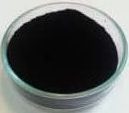
Fullerene C70, 99+%
View Product →
Fullerene C60, 99+%
View Product →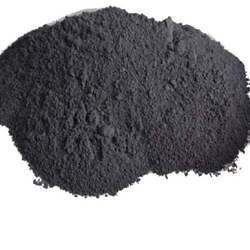
Fullerene Extract
View Product →