
The Dawn of a New Era: Fullerenes in Biomedical Science
In the ever-evolving world of materials science, few discoveries have sparked as much excitement and potential as the fullerene. These perfectly symmetrical, cage-like carbon molecules, particularly the iconic C60 "buckyball," are at the forefront of the nanotechnology revolution. For researchers and professionals in India's burgeoning biomedical sector, understanding and harnessing the power of fullerenes is no longer a futuristic concept but a present-day opportunity. Their unique physical and chemical properties—exceptional strength, high surface-area-to-volume ratio, and remarkable electron affinity—make them ideal candidates for solving some of the most pressing challenges in medicine.
From creating highly targeted nanocarriers for drug delivery to developing novel imaging agents and potent antioxidants, fullerene materials for biomedical engineering are paving the way for unprecedented advancements. As India continues to invest heavily in R&D and healthcare infrastructure, the role of advanced nanostructured materials like fullerenes, graphene, and carbon nanotubes becomes increasingly critical. This article delves into the transformative world of fullerenes, exploring their applications, benefits, and the immense opportunities they present for the Indian scientific community.
Why Researchers are Turning to Fullerenes
The unique architecture of fullerenes endows them with a suite of benefits that are highly attractive for biomedical applications. Here’s why Indian researchers are increasingly integrating these nanoparticles into their work:
- Exceptional Antioxidant Properties: Fullerenes are powerful radical scavengers. They can neutralize a large number of free radicals without being consumed, making them super-antioxidants. This is crucial for treating conditions related to oxidative stress, such as neurodegenerative diseases and inflammation.
- Versatile Nanocarriers for Drug Delivery: The hollow interior of fullerenes can encapsulate drug molecules, while their exterior surface can be functionalized. This allows for the creation of sophisticated nanocapsules that can target specific cells (like tumors), improve drug solubility, and control release, thereby maximizing therapeutic impact and minimizing side effects.
- Superior Bio-imaging Contrast Agents: When modified with imaging moieties, fullerenes can serve as highly effective contrast agents for MRI and X-ray imaging. Their ability to carry a high payload of contrast agents enhances image clarity, enabling earlier and more accurate disease diagnosis.
- Photodynamic Therapy (PDT) Potential: Fullerenes are excellent photosensitizers. Upon exposure to a specific wavelength of light, they generate reactive oxygen species (ROS) that can selectively destroy cancer cells. This forms the basis of a non-invasive and highly targeted cancer treatment modality.
- Biocompatibility Through Functionalization: While pristine fullerenes are hydrophobic, their surface chemistry is incredibly versatile. They can be easily functionalized to become water-soluble and biocompatible (e.g., fullerols), which is a prerequisite for any in-vivo application in biomedical nanotechnology.
Transformative Applications in the Field
The theoretical benefits of fullerenes translate into a wide array of practical applications that are set to redefine medical treatments and diagnostics. Here are some key areas where fullerene applications are making a significant impact:
Targeted Cancer Therapy
Fullerenes are being engineered as smart bombs against cancer. By attaching targeting ligands to their surface, these nanocarriers can selectively bind to cancer cells, delivering potent chemotherapy drugs directly to the tumor site. This approach, central to fullerene research, drastically reduces the collateral damage to healthy tissues, a common problem with conventional chemotherapy.
Neuroprotective Agents
The potent antioxidant capacity of fullerenes makes them promising candidates for combating neurodegenerative diseases like Parkinson's and Alzheimer's, which are linked to oxidative stress. Fullerene-based therapies aim to protect neurons from damage, potentially slowing disease progression and improving patient outcomes.
Advanced Diagnostics and Imaging
In diagnostics, fullerenes are enhancing the sensitivity of medical imaging techniques. As carriers for contrast agents in MRI, they allow for clearer, more detailed scans of tissues and organs. This leads to earlier detection of diseases, which is often critical for successful treatment.
Antiviral and Antimicrobial Agents
Researchers are exploring the ability of fullerene derivatives to inhibit viral replication and kill bacteria. For instance, they can block the active site of the HIV protease enzyme, preventing the virus from maturing. This opens up new avenues for developing novel treatments against infectious diseases, a critical need in a densely populated country like India.
The Indian Context: Opportunities and Future Trends
India's journey in biomedical nanotechnology is gaining remarkable momentum. The government's "Nano Mission" initiative has been instrumental in creating a robust ecosystem for fullerene research and development. Academic institutions and research labs across the country are actively engaged in exploring fullerene materials for biomedical engineering. The focus is increasingly shifting from fundamental research to translational research—developing practical, market-ready solutions.
A key trend is the development of cost-effective and scalable synthesis methods for high-purity fullerenes and their derivatives. This is crucial for making fullerene-based therapies affordable and accessible. Furthermore, there is a growing emphasis on "green" synthesis routes to minimize the environmental impact. For Indian researchers and biotech entrepreneurs, this presents a golden opportunity to innovate and lead in the field of nanomedicine. The demand for high-quality nanostructured materials, including fullerenes, nanoparticles, and nanocapsules, is set to soar as more products move from the lab to clinical trials.
High-Purity Fullerenes for Your Research
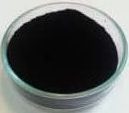
Fullerene C70, 99+%
View Product
Fullerene C60, 99+%
View Product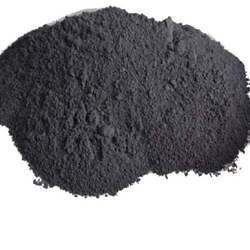
Fullerene Extract
View Product
Fullerol
View ProductFrequently Asked Questions
Fullerenes are a unique class of carbon allotropes, forming molecules composed entirely of carbon atoms, in the form of a hollow sphere, ellipsoid, or tube. The most famous member is Buckminsterfullerene (C60), which resembles a soccer ball. Their distinct structure gives them extraordinary properties, making them a cornerstone of biomedical nanotechnology.
The biocompatibility of fullerenes is a critical area of research. Pristine fullerenes are hydrophobic and can show toxicity. However, by functionalizing their surface (e.g., creating water-soluble derivatives like fullerols), their biocompatibility can be significantly enhanced, making them safe and effective for various biomedical uses, including as nanocarriers and antioxidants.
The hollow cage-like structure of fullerenes allows them to encapsulate drug molecules, protecting them from degradation in the bloodstream. Their surface can be modified to target specific cells or tissues, such as cancer cells. This targeted delivery system enhances the therapeutic efficacy of drugs while minimizing side effects on healthy tissues.
The future of fullerene research in India is incredibly promising. With a strong government push for nanotechnology and a growing ecosystem of research institutions and biotech startups, India is poised to become a key player. The focus is on developing cost-effective, scalable synthesis methods and exploring novel applications in diagnostics, therapeutics, and regenerative medicine, tailored to the healthcare challenges in the region.
Ready to Advance Your Research?
Access high-purity fullerene materials and other nanostructures to power your next breakthrough. Connect with our experts to discuss your specific research needs.
Get in Touch