An Introduction to the World of Fullerenes
In the expansive universe of materials science, few discoveries have sparked as much excitement and possibility as that of Fullerenes. These fascinating molecules, composed entirely of carbon, form hollow spheres, ellipsoids, or tubes. The most famous of these is the C60 molecule, also known as Buckminsterfullerene or simply a "buckyball." Its structure, resembling a classic soccer ball, consists of 60 carbon atoms arranged in a stunningly symmetric pattern of 20 hexagons and 12 pentagons. This discovery in 1985 by Harold Kroto, Robert Curl, and Richard Smalley not only earned them the Nobel Prize in Chemistry but also opened a new chapter in nanotechnology.
For the vibrant research and development community in India, fullerenes represent a frontier of immense potential. From advanced electronics to next-generation pharmaceuticals, the unique properties of these nanocarbon materials are paving the way for innovations that can solve some of the most pressing challenges. As Indian industries increasingly focus on high-tech manufacturing and sustainable solutions, understanding the applications of fullerenes is no longer just an academic exercise—it's a strategic necessity. This article delves into the remarkable world of fullerene structures, their benefits for researchers, their diverse applications, and the burgeoning market trends within India.
Why Should Indian Researchers Care About Fullerenes?
Fullerenes are not just a scientific curiosity; they are a powerful tool for innovation. Their distinct molecular architecture gives rise to a host of properties that are highly attractive for R&D:
-
Exceptional Electron Affinity
Fullerenes are excellent electron acceptors, making them ideal for applications in organic electronics, such as in transistors and the active layer of organic photovoltaic (solar cell) devices.
-
High Strength and Low Weight
The strong covalent bonds between carbon atoms give fullerenes incredible tensile strength. When incorporated into polymers, they can create composite materials that are both lightweight and exceptionally durable.
-
Potent Antioxidant Activity
The unique cage-like structure of the C60 molecule allows it to effectively neutralize free radicals. This has opened up exciting research avenues in medicine, particularly in developing treatments for neurodegenerative diseases and as anti-aging agents in cosmetics.
-
Superconductivity
When doped with alkali metals, certain fullerene compounds exhibit superconductivity at relatively high temperatures, a property that is of immense interest for creating lossless power transmission lines and powerful magnets.
Revolutionary Applications of Fullerenes Across Industries
Electronics and Sensors
The field of Fullerenes in Electronics is one of its most promising domains. Due to their excellent electron-accepting capabilities, fullerenes are a critical component in organic photovoltaics (OPVs), where they help separate charges and generate electricity from sunlight. Their semiconductor properties are also leveraged in Organic Field-Effect Transistors (OFETs). Furthermore, the unique fullerene properties for sensors applications allow for the creation of highly sensitive devices capable of detecting specific molecules, with uses ranging from environmental monitoring to medical diagnostics.
Biomedical and Pharmaceutical Fields
Fullerenes are making significant inroads in medicine. Their hollow cage structure is perfect for encapsulating drug molecules, enabling targeted drug delivery systems that can release medication precisely where needed, minimizing side effects. Their strong antioxidant properties are being studied for combating cellular damage. Additionally, when modified, fullerenes can act as non-toxic contrast agents for MRI scans, providing clearer images for better diagnosis.
Advanced Materials and Catalysis
The remarkable strength of the C60 molecule makes it an ideal additive for creating high-performance composite materials. When mixed with polymers, they produce materials that are stronger, lighter, and more durable, finding use in aerospace, automotive, and sporting goods industries. Their spherical shape also makes them excellent nanoscale lubricants. In chemistry, they serve as catalysts or catalyst supports, improving the efficiency of chemical reactions.
Energy Storage and Production
Beyond solar cells, fullerenes are being explored for their potential in energy storage. Their high surface area and unique structure make them promising candidates for hydrogen storage materials, a key challenge in developing a hydrogen-based economy. They are also being investigated as electrode materials in advanced batteries and supercapacitors, aiming to increase energy density and charging speeds, a critical area of research for India's growing electric vehicle market.
The Fullerene Market in India: Trends and Opportunities
The global market for nanocarbon materials, including fullerenes and carbon nanotubes, is on a significant upward trajectory, and India is poised to play a crucial role. The Indian government's "Make in India" initiative and increased funding for scientific research have created a fertile ground for advanced materials R&D. The Fullerenes Market Trends indicate a growing demand from sectors like electronics, healthcare, and energy—all of which are national priorities for India.
One of the key areas of focus is the domestic synthesis of fullerenes. While historically complex and expensive, new and more efficient production methods are being explored by Indian research institutions and startups. This push towards self-reliance in producing high-purity fullerenes will reduce costs and make these wonder molecules more accessible to a broader range of industries. For Indian researchers and professionals, this translates into a golden opportunity to lead innovation, file patents, and develop commercial products that can compete on a global scale. The demand for specialized products like the Fullerene C60 molecule with 99.9% purity for high-end electronics and pharmaceutical research is expected to drive this market forward.
Frequently Asked Questions (FAQ)
The C60 molecule, also known as Buckminsterfullerene or a 'buckyball,' is a spherical molecule made of 60 carbon atoms arranged in a pattern of interlocking hexagons and pentagons. This unique soccer-ball-like structure gives it remarkable properties, making it a cornerstone of nanotechnology and materials science.
No, they are distinct but related nanocarbon materials. Fullerenes are typically spherical (like C60) or ellipsoid, while carbon nanotubes are cylindrical structures made of a rolled-up sheet of carbon atoms. Both are allotropes of carbon and share fascinating properties, but their different geometries lead to different applications.
The most common method for the synthesis of fullerenes is the carbon arc-discharge method. This involves creating an electric arc between two carbon electrodes in an inert atmosphere (like helium or argon). The process vaporizes the carbon, which then condenses to form a soot rich in fullerenes like C60 and C70, which can be extracted using organic solvents.
Like any nanomaterial, fullerenes should be handled with care. The primary safety concerns involve inhalation and skin contact. Researchers should use proper personal protective equipment (PPE), including gloves, lab coats, and safety glasses, and handle fullerene powders in a well-ventilated area or a fume hood to minimize exposure.
High-purity fullerenes for R&D are available from specialized suppliers of advanced materials. Hiyka, a Reinste company, offers a range of fullerene products, including various purities of C60 and C70, to support researchers and industries across India. You can explore our product range on our website.
Explore Our High-Purity Fullerene Products
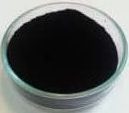
Fullerene C70, 99+%
View Product →
Fullerene C60, 99+%
View Product →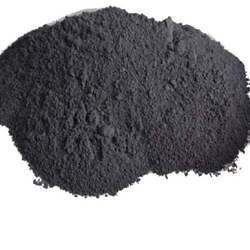
Fullerene Extract
View Product →
Fullerol
View Product →Ready to Advance Your Research?
Whether you have a question about specific fullerene grades or need a bulk quote for your industrial application, our team is here to help.
Connect with our material science experts to get the support you need.