
Introduction: The Dawn of a Nanotechnology Marvel in Medicine
In the ever-evolving landscape of nanotechnology, few discoveries have sparked as much excitement and potential as fullerenes. These perfectly symmetrical, cage-like carbon molecules, most famously the Buckminsterfullerene (C60), are no longer just a subject of theoretical chemistry. Today, they stand at the forefront of a medical revolution, particularly in the context of Indian research and development. For a nation grappling with complex health challenges while simultaneously championing technological innovation, the biomedical applications of fullerenes present a monumental opportunity. From targeted drug delivery systems that promise to minimize chemotherapy side effects to advanced imaging agents, fullerenes are redefining the boundaries of what's possible in medicine.
The unique physicochemical properties of fullerenes—their high surface area, ability to be functionalized, and remarkable antioxidant capabilities—make them exceptionally suited for biological systems. This blog delves into the transformative potential of fullerenes, exploring their applications in cancer treatment, their role as powerful antioxidants, and the burgeoning market trends that position India as a key player in this nanotechnology-driven future. For researchers and professionals across the country, understanding the biomedical applications of fullerenes is not just an academic exercise; it's about gearing up to be part of the next wave of healthcare innovation.
Why Researchers Should Focus on Fullerenes: Key Advantages
For the Indian research community, engaging with fullerene technology offers a competitive edge and the opportunity to address pressing local and global health issues. Here are the compelling benefits:
- Unparalleled Drug Delivery Platform: Fullerenes act as superior nano-carriers. Their hollow structure can encapsulate therapeutic agents, protecting them from premature degradation. This is a significant leap for delivering sensitive drugs for diseases prevalent in India, such as tuberculosis and various forms of cancer.
- Targeted Cancer Therapy: The ability to functionalize the surface of fullerenes allows for precise targeting of cancer cells. By attaching specific ligands, researchers can design fullerene-based drugs that selectively attack tumors, dramatically reducing the collateral damage to healthy tissues associated with conventional cancer treatment.
- Potent Antioxidant Properties: Fullerenes are "radical sponges," capable of neutralizing harmful free radicals far more effectively than traditional antioxidants. This has profound implications for treating neurodegenerative diseases, inflammation, and age-related disorders, all significant areas of research in India.
- Advanced Bioimaging and Diagnostics: When modified with contrast agents, fullerenes can serve as highly effective tools for Magnetic Resonance Imaging (MRI) and X-ray imaging. This enhances diagnostic accuracy, allowing for earlier and more precise detection of diseases.
- Interdisciplinary Research Opportunities: Fullerene research is inherently collaborative, bridging chemistry, biology, medicine, and materials science. This fosters a rich, interdisciplinary environment that is crucial for breakthrough innovations and securing international research grants.
Key Biomedical Applications of Fullerenes
The theoretical promise of fullerenes has translated into a wide array of practical applications currently under intense investigation and development. These applications leverage the unique structure and chemical properties of these carbon nanomaterials.
Targeted Drug Delivery
This is arguably the most promising application. By encapsulating drugs within their cage or attaching them to their surface, fullerenes create a sophisticated delivery system. The functionalization of fullerenes allows them to be coated with molecules that bind specifically to receptors on cancer cells, ensuring that high concentrations of a drug are delivered directly to the tumor, revolutionizing drug delivery protocols.
Photodynamic Therapy (PDT) for Cancer
Fullerenes are excellent photosensitizers. When exposed to a specific wavelength of light, they generate highly reactive oxygen species (ROS) that are toxic to nearby cells. In PDT, fullerene derivatives are administered to a patient and allowed to accumulate in tumor tissue. Subsequent illumination of the tumor with light activates the fullerenes, leading to the targeted destruction of cancer cells—a precise and minimally invasive cancer treatment.
Neuroprotective Agents
Oxidative stress is a key factor in neurodegenerative diseases like Parkinson's and Alzheimer's. Due to their potent free-radical scavenging ability, water-soluble fullerene derivatives (like fullerols) can cross the blood-brain barrier and protect neurons from oxidative damage. This opens up new therapeutic avenues in nanotechnology in medicine.
Antiviral and Antimicrobial Agents
Fullerenes have shown promise in inhibiting the replication of various viruses, including HIV and influenza. They can block the active sites of viral enzymes or disrupt the viral structure. Similarly, they can damage bacterial cell membranes, making them effective antimicrobial agents, a critical area of research given the rise of antibiotic resistance in India.
Opportunities and Market Trends in India
The global fullerenes market is on an upward trajectory, and India is poised to carve out a significant share, especially in the high-value biomedical sector. Several factors contribute to this optimistic outlook. Firstly, the Indian government's 'Make in India' and 'Atmanirbhar Bharat' initiatives provide a strong impetus for domestic R&D and manufacturing of advanced materials like fullerenes. Academic institutions and national laboratories are increasingly receiving funding to explore the applications of nanomaterials.
Secondly, India's pharmaceutical industry, already a global powerhouse, is actively seeking innovative solutions to enhance drug efficacy and patient outcomes. The integration of fullerenes in nanotechnology for medicine aligns perfectly with this goal. The chemical properties of fullerenes, which allow for extensive modification, offer a versatile platform for creating proprietary drug formulations. As the cost of fullerene synthesis decreases and production scales up, we can expect to see more collaborations between Indian research institutes and pharmaceutical companies to commercialize fullerene-based therapeutics. The fullerene potential for biomedical applications is vast, and Indian researchers are at the cusp of translating this potential into tangible healthcare solutions.
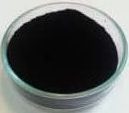
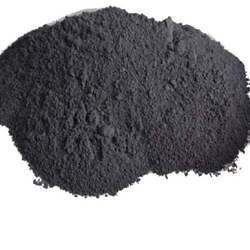
Featured Fullerene Products for Your Research
Frequently Asked Questions
Fullerenes are a unique class of carbon allotropes, composed entirely of carbon atoms, that form hollow spheres, ellipsoids, or tubes. The most famous member is Buckminsterfullerene (C60), which resembles a soccer ball.
Their hollow cage-like structure allows them to encapsulate drug molecules, protecting them from degradation and controlling their release. Furthermore, their surface can be functionalized to target specific cells, like cancer cells, improving treatment efficacy and reducing side effects.
The toxicity of fullerenes depends on their functionalization. Pristine fullerenes can exhibit some toxicity, but when they are functionalized (e.g., by adding hydrophilic groups), their biocompatibility increases significantly, making them safe for biomedical applications.
Fullerenes are used in two primary ways for cancer treatment: as targeted drug delivery vehicles to carry chemotherapy drugs directly to tumors, and as agents in Photodynamic Therapy (PDT). In PDT, fullerenes generate reactive oxygen species upon light exposure, which selectively kill cancer cells.
Ready to Advance Your Research?
Explore our extensive range of high-purity fullerenes and derivatives to power your next breakthrough in biomedical engineering and nanotechnology.
Browse Our Fullerene Catalog