
The Dawn of a New Carbon Era: Fullerenes in Indian R&D
Since their discovery in 1985, fullerenes—a unique molecular form of carbon—have captured the imagination of scientists worldwide. Named after Buckminster Fuller for their geodesic dome-like structure, these "buckyballs" have opened a new frontier in materials science and nanotechnology. For India, a nation rapidly ascending as a global hub for research and development, the exploration of fullerenes presents a monumental opportunity. From advanced electronics to revolutionary medical treatments, the applications of fullerenes are vast and align perfectly with India's strategic goals in technology and healthcare.
This guide is crafted for the burgeoning community of Indian researchers, PhD students, and industry professionals. It aims to provide a comprehensive overview of fullerenes research, covering everything from the fundamental properties of fullerenes and their synthesis to the most promising commercial uses. As we delve into this subject, we will highlight the specific relevance and potential impact on the Indian scientific landscape, offering insights that can fuel doctoral theses and inspire innovative industrial projects. The journey into fullerenes in nanotechnology is not just an academic pursuit; it is a pathway to creating tangible, high-value products and solutions that can shape the future.
Why Should Indian Researchers Focus on Fullerenes?
Multidisciplinary Applications
Fullerene research isn't confined to a single domain. It spans chemistry, physics, materials science, and medicine, allowing for rich, cross-disciplinary collaboration and innovation.
High-Impact Publications
As an emerging field, research into fullerene derivatives and their novel applications offers a higher probability of being published in high-impact journals, boosting academic careers.
Patent & Commercialization Potential
The unique properties of fullerenes lead to patentable inventions, especially in areas like fullerenes in drug delivery and electronics, providing a direct link from lab to market.
Alignment with National Missions
Research in advanced materials like fullerenes supports national initiatives such as 'Make in India' and the National Mission on Nanoscience and Nanotechnology.
Solving Real-World Problems
From developing more efficient solar cells to creating targeted cancer therapies, fullerene-based research addresses some of the most pressing challenges facing India and the world.
Global Collaboration
Engaging in fullerenes research connects Indian scientists with a global network of experts, fostering international collaborations and knowledge exchange.
Groundbreaking Applications of Fullerenes
1. Nanotechnology and Electronics
The exceptional electron-accepting ability of fullerenes makes them ideal candidates for organic photovoltaics (OPVs) and transistors. Researchers are exploring their use in creating flexible, lightweight solar cells and high-performance electronic components. The synergy between fullerenes and carbon nanotubes is also being leveraged to build next-generation conductive materials and sensors, a key area for India's growing electronics manufacturing sector.
2. Biomedical and Drug Delivery
The hollow cage structure of fullerenes allows them to encapsulate drug molecules. This has led to extensive research into fullerenes in drug delivery systems, where they can transport therapeutic agents directly to targeted cells, such as cancer cells, minimizing side effects. Their antioxidant properties are also being studied for treating neurodegenerative diseases. This is a critical area of fullerene based research for PhD students in pharmacology and biotechnology.
3. High-Performance Materials & Lubricants
When added to polymers, fullerenes can dramatically enhance their strength, thermal stability, and conductivity. This leads to the creation of advanced composites for aerospace, automotive, and defense applications. Furthermore, their spherical shape allows them to act as nanoscale ball bearings, making them highly effective additives in industrial lubricants to reduce friction and wear.
4. Cosmetics and Personal Care
One of the surprising commercial uses of fullerenes is in high-end cosmetics. Due to their potent antioxidant capabilities—far exceeding that of Vitamin C—they are incorporated into anti-aging creams and lotions to combat skin damage from free radicals. Water-soluble derivatives like Fullerol are particularly popular in this market segment.
Future Outlook: Fullerene Market Trends and Opportunities in India
The global fullerenes market trends point towards significant growth, driven by increasing demand from the electronics, healthcare, and materials sectors. For India, this presents a golden opportunity to move from being a consumer of technology to a producer. The key to unlocking this potential lies in mastering the synthesis of fullerenes. Traditional methods like carbon arc discharge are energy-intensive and yield a mixture of fullerenes (C60, C70, etc.) that require costly separation. Indian researchers can make a significant mark by developing scalable, cost-effective synthesis and purification techniques.
There is a growing demand for specialized fullerene derivatives, which are molecules where functional groups are attached to the fullerene cage. These derivatives are tailored for specific applications, such as water-soluble fullerenes for biomedical use or specific organic groups for better integration into polymer matrices. This is a fertile ground for fullerene based research for PhD students, offering a chance to develop novel materials with immediate commercial relevance. Government and private funding bodies in India are increasingly looking to support projects that bridge the gap between fundamental research and industrial application, making this the perfect time to propose innovative projects in fullerene science.
Frequently Asked Questions
Fullerenes are a unique class of carbon allotropes, molecules composed entirely of carbon, that form hollow spheres, ellipsoids, or tubes. The most famous member is Buckminsterfullerene (C60), which resembles a soccer ball.
Fullerene research offers a multidisciplinary field with vast opportunities in materials science, medicine, and electronics. For Indian PhD students, it represents a chance to contribute to high-impact, globally relevant nanotechnology and potentially develop commercial applications, aligning with national initiatives like 'Make in India'.
The primary challenges in fullerene synthesis, especially in methods like arc discharge, are low yield, high purification costs, and the difficulty in selectively producing a specific type of fullerene (e.g., C60 vs. C70). Researchers are actively exploring more efficient and scalable synthesis techniques.
Yes, this is a major area of research. Due to their unique structure and ability to be functionalized, fullerenes are being explored for applications in drug delivery, as diagnostic agents (e.g., in MRI contrast), and for photodynamic therapy to target cancer cells.
Related Fullerene Products for Your Research
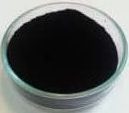
Fullerene C70, 99+%
View Product
Fullerene C60, 99+%
View Product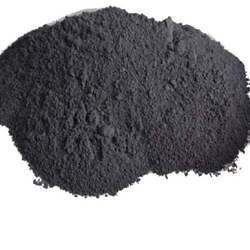
Fullerene Extract
View Product
Fullerol
View ProductReady to Start Your Fullerene Research?
Whether you're a PhD student seeking high-purity materials or an R&D professional developing next-gen products, we have the fullerenes you need.
Inquire Now