The Dawn of a New Carbon Era: What are Fullerenes?
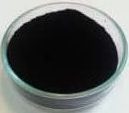
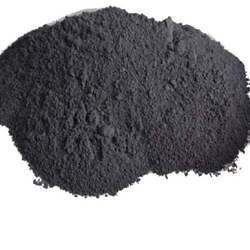
In the world of materials science, few discoveries have sparked as much excitement and possibility as that of Fullerenes. For researchers and industry leaders across India, understanding these unique molecules is no longer a niche academic pursuit but a gateway to groundbreaking innovation. A fullerene is a pure carbon molecule, an allotrope of carbon, taking the form of a hollow sphere, ellipsoid, or tube. These structures, sometimes called "buckyballs" (in the case of the spherical C60 molecule) or "buckytubes" (carbon nanotubes), are a cornerstone of fullerene nanotechnology.
First identified in 1985, the C60 molecule, or Buckminsterfullerene, resembles a soccer ball, with a structure of interlocking hexagonal and pentagonal rings of carbon atoms. This elegant, cage-like structure is not just beautiful; it's the source of the remarkable fullerene properties that make them so valuable. They possess incredible strength, low density, high electron affinity, and the unique ability to be functionalized—meaning other atoms or molecules can be attached to their surface to tailor their properties for specific tasks. For a nation like India, with its burgeoning R&D landscape and ambitious "Make in India" initiative, fullerenes represent a frontier of untapped potential across sectors from medicine to energy.
Why Indian Researchers Should Focus on Fullerene Properties
The study of nanomaterials fullerenes offers a rich field of discovery with tangible benefits for the scientific community. For Indian researchers, delving into this area provides a competitive edge and the opportunity to contribute to global advancements. Key benefits include:
- Interdisciplinary Applications: Fullerenes are not confined to one scientific domain. Their study intersects chemistry, physics, materials science, and medicine, fostering collaboration and holistic problem-solving.
- High-Impact Publications: Research into the novel chemical properties of fullerenes and their applications is a hot topic globally, increasing the likelihood of publication in high-impact journals.
- Solving National Challenges: From developing efficient solar cells to creating advanced drug delivery systems for diseases prevalent in India, fullerene research can provide solutions to pressing national issues.
- Patent and Commercialization Opportunities: The unique applications of fullerenes, especially when functionalized, open up significant opportunities for patenting new technologies and collaborating with industries for commercialization.
- Alignment with Government Initiatives: Research in advanced materials like fullerenes aligns perfectly with national missions such as the National Mission on Nanoscience and Nanotechnology (Nano Mission), attracting potential government funding and support.
Fullerene Uses in Industry: From Theory to Reality
The transition of fullerenes from laboratory curiosities to industrial powerhouses is well underway. Their unique combination of physical and chemical properties makes them ideal for a wide range of commercial fullerene applications. Here’s a look at how various industries are leveraging their potential.
Advanced Healthcare & Medicine
Fullerenes' cage-like structure allows them to encapsulate drug molecules, making them perfect candidates for targeted drug delivery systems. Their powerful antioxidant properties are also utilized in dermatological and cosmetic products to combat cellular damage from free radicals.
Renewable Energy & Electronics
In the realm of fullerene nanotechnology, one of the most promising uses is in organic photovoltaics (OPVs) or solar cells. Fullerenes act as excellent electron acceptors, significantly boosting the efficiency of converting sunlight into electricity. They are also being explored for use in next-gen transistors and sensors.
High-Performance Materials
When added to polymers, fullerenes can create composites that are incredibly strong yet lightweight. This makes them valuable in the aerospace, automotive, and sporting goods industries. Furthermore, their ball-bearing-like action at the molecular level makes them superb additives for high-performance lubricants.
Fullerene Research Trends: The Indian Context
The landscape of fullerene research trends in India is vibrant and growing. Indian institutions are increasingly contributing to the global understanding of fullerene properties and industrial uses. A key trend is the focus on "frugal innovation"—developing cost-effective methods for synthesizing and functionalizing fullerenes. This is crucial for making fullerene-based technologies accessible and commercially viable within the Indian market.
Another significant area of focus is in biomedical applications. With a world-class pharmaceutical industry, India is uniquely positioned to lead research in fullerene-based diagnostics and therapeutics. Researchers are actively investigating the use of C60 and other fullerenes as antiviral agents, MRI contrast agents, and neuroprotective agents. The unique chemical properties of fullerenes, particularly their ability to scavenge reactive oxygen species, make them a prime candidate for treating conditions related to oxidative stress.
In the energy sector, as India pushes towards its renewable energy targets, the role of nanomaterials fullerenes in enhancing solar cell efficiency is a top priority. Research is geared towards developing stable, low-cost organic solar cells that can be manufactured at scale. This aligns with the national goal of energy independence and sustainability. The synergy between academic research and industrial application is key, and we are seeing more collaborations between premier institutes like the IITs and IISc with private sector companies to translate these research trends into market-ready products. The future of fullerene uses in industry within India looks exceptionally bright.
Frequently Asked Questions about Fullerenes
A fullerene is an allotrope of carbon, meaning it's a substance made purely of carbon atoms, but arranged in a different physical form. Its structure is a hollow sphere, ellipsoid, or tube. The most famous fullerene is the C60 molecule, often called a 'buckyball,' which has a soccer-ball-like structure of 20 hexagons and 12 pentagons.
Fullerenes are crucial in nanotechnology due to their unique properties at the nanoscale. Their high strength, electron affinity, and ability to encapsulate other atoms make them ideal for applications like drug delivery, advanced lubricants, organic photovoltaics, and powerful antioxidants.
Industrially, fullerenes are used in high-performance lubricants, as additives to create stronger and lighter polymer composites, in cosmetics for their antioxidant properties, and in renewable energy, particularly in the active layer of organic solar cells to improve efficiency.
The safety of fullerenes is an active area of research. While pristine fullerenes have low toxicity, their interaction with biological systems can be complex and depends on factors like size, surface structure, and functionalization. Researchers in India and worldwide are studying their long-term effects to establish safety guidelines for industrial and medical use.