Pioneering a New Era in Water Purification
India, a nation witnessing rapid industrialization and population growth, stands at a critical juncture in its quest for water security. The contamination of water resources by industrial effluents, agricultural runoff, and microbial pathogens poses a significant threat to public health and environmental stability. Traditional water treatment methods, while effective to an extent, often struggle with persistent organic pollutants, heavy metal ions, and emerging contaminants. This is where the world of nanotechnology, specifically the application of **fullerenes for water treatment**, offers a paradigm shift.
Fullerenes, a fascinating class of **carbon nanostructures**, are molecules made entirely of carbon atoms arranged in a unique, cage-like structure resembling a soccer ball (C60) or an ellipsoid (C70). Discovered in 1985, these **nanoparticles** have captivated the scientific community with their exceptional physicochemical properties. For Indian researchers and professionals in environmental science, materials science, and chemical engineering, **fullerene applications** are not just a subject of academic curiosity; they represent a tangible, high-impact solution to a national challenge. Their high surface area, electron affinity, and tunable surface chemistry make them ideal candidates for revolutionizing how we purify water.
This article delves into the transformative potential of **fullerenes in water treatment**, exploring their mechanisms, benefits, and diverse applications. We will highlight the specific opportunities this technology presents for the Indian R&D ecosystem and industries, paving the way for a cleaner, healthier future.
Why Researchers Should Focus on Fullerene Technology
For the Indian research community, engaging in **fullerene research** provides a competitive edge. It's a field ripe with opportunities for innovation, publication, and patenting. Here are key benefits:
- Exceptional Adsorption Capacity: The high surface-area-to-volume ratio of fullerenes allows them to act as superior adsorbents for a wide range of pollutants, from toxic dyes to heavy metals like lead and mercury.
- Powerful Photocatalytic Activity: When exposed to light, certain **fullerene derivatives** can generate reactive oxygen species (ROS), which can degrade stubborn organic pollutants into harmless substances like CO2 and water.
- Advanced Membrane Technology: Incorporating fullerenes into polymer membranes can enhance their permeability, selectivity, and resistance to biofouling, leading to more efficient and durable water filtration systems.
- Antimicrobial Properties: The unique electronic structure of **C60 fullerene** allows it to disrupt bacterial cell membranes, making it an effective agent for water disinfection without the formation of harmful byproducts associated with chlorination.
Key Industrial Applications in Water Treatment
Organic Pollutant & Heavy Metal Removal
Fullerene-based sorbents can be engineered to selectively capture persistent organic pollutants (POPs) and toxic heavy metal ions from industrial wastewater. This is crucial for sectors like textiles, pharmaceuticals, and manufacturing, helping them meet stringent environmental regulations.
Advanced Oxidation Processes (AOPs)
As photocatalysts, fullerenes can mineralize contaminants that are resistant to conventional biological treatment. This **nanotechnology fullerene** application is vital for treating complex effluents and ensuring complete detoxification of water before its release or reuse.
Next-Generation Desalination
Fullerene-based membranes show promise in reverse osmosis (RO) and nanofiltration. Their unique structure can allow faster water transport while effectively rejecting salts, potentially reducing the energy consumption of desalination plants—a critical factor for India's coastal regions.
India-Specific Trends and Opportunities
The landscape for **nanotechnology fullerenes** in India is burgeoning, driven by government initiatives like the 'National Mission for Clean Ganga' and 'Jal Jeevan Mission'. These programs create a massive demand for innovative and cost-effective water treatment technologies. Indian researchers can align their work on **fullerene derivatives** with these national priorities, increasing their chances of securing funding and making a real-world impact. The **benefits of fullerenes**, particularly their efficiency and versatility, position them as a prime technology to address the diverse water quality issues across different regions of India.
Furthermore, there is a growing 'Make in India' push for developing indigenous technologies. Establishing robust manufacturing processes for fullerene-based materials could reduce import dependency and create a new high-tech industry. Collaborations between academic institutions, research labs, and private sector companies are essential to translate laboratory-scale **fullerene research** into commercially viable products for water purification. The use of **fullerenes in water treatment** is not just a scientific endeavor; it's an economic opportunity that aligns perfectly with India's goals of self-reliance and sustainable development.
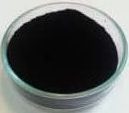
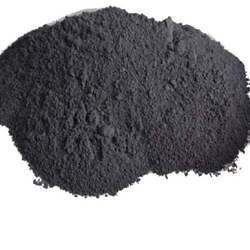
Explore Our Fullerene Products
Frequently Asked Questions
Fullerenes are a class of carbon allotropes, essentially molecules composed entirely of carbon, that form hollow spheres, ellipsoids, or tubes. The most famous member is Buckminsterfullerene (C60), which resembles a soccer ball. Their unique structure gives them extraordinary properties, making them a focal point of nanotechnology research.
Fullerenes and their derivatives can be used in water treatment in several ways: as powerful adsorbents for removing organic pollutants and heavy metals, as antimicrobial agents to disinfect water, as catalysts in advanced oxidation processes to break down contaminants, and as components in advanced filtration membranes.
The environmental impact of fullerenes is an active area of research. While they show immense promise, their long-term effects on ecosystems need to be thoroughly understood. Researchers are developing functionalized and immobilized fullerene derivatives to enhance their stability and prevent them from leaching into the environment, thus maximizing their benefits while minimizing potential risks.
Sourcing high-purity nanomaterials is crucial for reproducible research. Suppliers like Hiyka offer a range of fullerene products, including C60 and C70 fullerenes, as well as various derivatives, catering to the needs of the Indian research and development community.
Ready to Advance Your Research?
Access high-purity fullerenes and other advanced materials to fuel your next discovery. Partner with us to get the quality materials you need for impactful research.
Contact Us Today