
Introduction: The Dawn of a New Carbon Era
In the vast world of materials science, few discoveries have sparked as much excitement and possibility as that of fullerenes. These fascinating molecules, a unique form of carbon, have emerged from the realm of theoretical chemistry to become a cornerstone of modern nanotechnology. For Indian researchers, scientists, and industry professionals, understanding the uses of fullerenes is not just an academic exercise; it's a gateway to pioneering innovations in medicine, electronics, energy, and beyond. This article delves into the core of fullerene research, exploring its fundamental properties, diverse applications, and the burgeoning opportunities it presents within the Indian R&D landscape.
First identified in 1985, the most famous fullerene, Buckminsterfullerene (C60), with its soccer-ball-like structure, captured the imagination of scientists worldwide. This discovery opened up a new chapter in carbon chemistry, demonstrating that carbon could form stable, closed-cage structures. The unique physical and chemical fullerene properties—such as exceptional strength, high electron affinity, and superconductivity when doped—make them incredibly versatile. As India continues to strengthen its position as a global hub for scientific research and manufacturing, the strategic exploration of fullerene applications will be pivotal in driving technological advancement and economic growth.
Key Benefits for Researchers and Innovators
For faculty, researchers, and R&D teams across India, incorporating fullerenes into their work offers a multitude of advantages. The unique molecular architecture of these carbon allotropes provides a powerful toolkit for solving complex scientific and engineering challenges. Here are some of the key benefits:
- Exceptional Electron Acceptors: Fullerenes' high electron affinity makes them perfect for creating highly efficient organic photovoltaic (OPV) devices and solar cells, a critical area for India's renewable energy goals.
- Potent Antioxidants: In biomedicine, fullerenes are renowned for their ability to scavenge free radicals. This property is being extensively researched for applications in neuroprotective drugs, anti-aging cosmetics, and therapies for oxidative stress-related diseases.
- Superior Material Reinforcement: When integrated into polymers and other materials, fullerenes can dramatically enhance their strength, durability, and thermal stability. This opens doors for developing advanced, lightweight composites for the aerospace, automotive, and defense sectors.
- Novel Drug Delivery Vehicles: The hollow cage structure of fullerenes allows them to encapsulate drug molecules. This enables the development of targeted drug delivery systems that can transport therapeutic agents directly to diseased cells, minimizing side effects and improving treatment efficacy.
- Advanced Lubricants: Fullerene nanoparticles act as microscopic ball bearings, significantly reducing friction and wear between surfaces. This application is vital for improving the efficiency and lifespan of machinery in heavy industry and manufacturing.
Transformative Fullerene Applications Across Industries
The theoretical benefits of fullerenes translate into tangible, high-impact applications that are poised to revolutionize various Indian industries. From healthcare to electronics, the potential uses are vast and growing.
Biomedicine and Pharmaceuticals
The use of fullerenes as antioxidants and drug delivery agents is a primary focus of fullerene research. In India, where there's a strong emphasis on pharmaceutical innovation, researchers are exploring fullerene-based antivirals, MRI contrast agents, and targeted cancer therapies. Companies like Hiyka provide the high-purity fullerene compounds necessary for this cutting-edge R&D.
Renewable Energy
In the quest for sustainable energy, fullerenes in nanotechnology play a crucial role as electron acceptors in organic solar cells. Their integration improves the efficiency and stability of these devices, making solar energy more viable. This aligns perfectly with India's National Solar Mission and the drive for green technology.
Advanced Materials & Composites
The properties of fullerenes lend themselves to creating next-generation materials. By adding small amounts of fullerenes to polymers, Indian manufacturers can produce stronger, lighter, and more resilient plastics and composites for everything from automotive parts to high-performance sporting goods and protective gear.
Electronics and Sensors
The unique electronic characteristics of fullerenes are being harnessed to develop highly sensitive chemical sensors and new types of transistors. For India's burgeoning electronics industry, fullerene synthesis and application could lead to breakthroughs in semiconductor technology and IoT (Internet of Things) devices.
Opportunities and Future Trends in the Indian Fullerene Market
The global fullerene market is on an upward trajectory, and India is well-positioned to contribute to and benefit from this growth. The convergence of a skilled scientific workforce, government initiatives like 'Make in India', and a growing demand for high-tech products creates a fertile ground for fullerene research and applications. A key trend is the move towards cost-effective fullerene synthesis methods, which will make these materials more accessible for widespread industrial use. Researchers are actively seeking to scale up production without compromising purity, a challenge that, once solved, will unlock mass-market applications.
Furthermore, there is a significant push towards developing functionalized fullerenes—molecules where different chemical groups are attached to the fullerene cage. This process, explored in numerous fullerene research papers, allows scientists to fine-tune the properties of fullerenes for specific tasks, such as improving their solubility for biological applications or enhancing their electronic characteristics for specific devices. For Indian researchers, focusing on these value-added fullerene compounds represents a major opportunity to create intellectual property and develop niche, high-value products. The benefits of fullerenes in water purification and environmental remediation are also gaining traction, addressing critical national challenges.
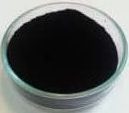
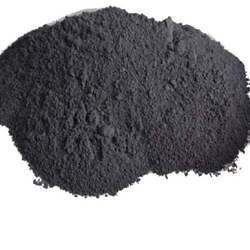
Related Fullerene Products for Your Research
Frequently Asked Questions
Fullerenes are a unique class of carbon allotropes, molecules composed entirely of carbon, in the form of hollow spheres, ellipsoids, or tubes. The most famous member is Buckminsterfullerene (C60), which resembles a soccer ball.
Their unique structure, high electron affinity, and physical properties make them ideal candidates for various nanotechnology applications, including drug delivery systems, powerful antioxidants, organic photovoltaics, and as components in advanced composite materials.
Key challenges include high synthesis and purification costs, issues with solubility in common solvents, and the need for more extensive research into their long-term biocompatibility and environmental impact before widespread commercial use.
Yes, high-purity fullerenes like C60 and C70, as well as fullerene derivatives, are available in India for research and development purposes from specialized suppliers like Hiyka. These materials are crucial for academic and industrial researchers exploring their applications.
Ready to Advance Your Research with Fullerenes?
Access high-purity fullerenes and other advanced materials to fuel your next big discovery. Connect with our experts to find the right products for your application.
Browse Fullerene Products