
A New Dawn for Nanomedicine in India
In the ever-evolving world of materials science, few discoveries have sparked as much excitement and potential as fullerenes. These unique carbon allotropes, with their iconic cage-like structure, have moved from a scientific curiosity to a cornerstone of modern nanotechnology. For India, a nation rapidly ascending as a global hub for research and development, the exploration of fullerene materials represents a monumental opportunity, particularly in the sophisticated field of nanomedicine.
The primary challenge in modern medicine isn't just discovering new drugs, but ensuring they reach their intended target in the body safely and effectively. This is where the application of fullerene for drug delivery comes into play. Imagine a nanoscale vehicle, robust and precise, capable of encapsulating potent medicine and navigating the complexities of the human body to deliver its payload directly to diseased cells, leaving healthy tissue unharmed. This is not science fiction; it is the tangible promise of fullerene technology.
This article delves into the transformative potential of fullerenes, addressing their applications, the critical issue of fullerene toxicity, and the exciting future of fullerene derivatives. For Indian researchers, professionals, and innovators, understanding these carbon nanostructures is the first step towards pioneering next-generation medical solutions that are not only advanced but also potentially cost-effective for the Indian healthcare ecosystem.
Why Should Indian Researchers Focus on Fullerenes?
The unique physicochemical properties of fullerenes offer a compelling toolkit for researchers aiming to solve complex biomedical problems. Here are the key advantages:
- Unprecedented Drug Encapsulation: The hollow interior of fullerenes provides a protected cavity for drug molecules, shielding them from premature degradation and increasing their stability and bioavailability.
- Surface Functionalization for Precision Targeting: The outer surface of fullerenes can be easily modified with various functional groups. This allows the creation of advanced fullerene derivatives that can specifically target cancer cells, pathogens, or other biological sites.
- Excellent Antioxidant Properties: Fullerenes are powerful radical scavengers, capable of neutralizing harmful free radicals. This intrinsic property makes them promising therapeutic agents for conditions associated with oxidative stress, such as neurodegenerative diseases.
- Potential in Theranostics: By combining therapeutic agents with imaging agents on a single fullerene platform, researchers can develop 'theranostic' systems that simultaneously diagnose and treat diseases, paving the way for personalized medicine.
Key Applications of Fullerene Materials in Medicine
Targeted Cancer Therapy
One of the most promising fullerene applications is in oncology. By attaching antibodies or ligands that recognize cancer cells, fullerene-based drug delivery systems can selectively accumulate in tumors. This targeted approach allows for the delivery of high concentrations of chemotherapy drugs directly to the cancer site, significantly reducing the systemic toxicity and side effects associated with conventional treatments.
Fighting Neurodegenerative Diseases
The blood-brain barrier (BBB) is a major obstacle for treating diseases like Alzheimer's and Parkinson's. The small size and modifiable surface of fullerenes allow them to be engineered to cross the BBB. Their potent antioxidant properties also help combat the oxidative stress implicated in neuronal damage, offering a dual-action approach to treatment and neuroprotection.
Novel Antimicrobial & Antiviral Agents
The rise of antibiotic-resistant bacteria is a global health crisis. Fullerene derivatives have shown significant antimicrobial activity. They can disrupt bacterial cell membranes or generate reactive oxygen species upon light irradiation (photodynamic therapy) to kill pathogens. Similar mechanisms are being explored for antiviral applications, including activity against viruses like HIV and influenza.
Advanced Bio-imaging and Diagnostics
Fullerenes can be used as highly effective contrast agents for medical imaging techniques like MRI. By functionalizing them to bind to specific biological markers, they can help in the early diagnosis of diseases. This diagnostic capability, when combined with drug delivery, forms the basis of next-generation theranostic fullerene technology.
The Indian Landscape: Fullerene Research and Opportunities
India's commitment to scientific advancement, backed by initiatives like 'Make in India' and a growing number of world-class research institutions, creates a fertile ground for fullerene research. The focus is gradually shifting towards developing indigenous, low-cost technologies. While challenges related to large-scale fullerene synthesis and the initial fullerene cost exist, Indian scientists are actively working on innovative production methods to make these nanomaterials more affordable.
The demand for advanced healthcare solutions for India's vast population makes the development of fullerene based materials for drug delivery a national priority. Research in this area can lead to patents, startups, and collaborations between academia and industry. Suppliers like Hiyka are playing a crucial role by ensuring a steady and reliable supply of high-purity fullerene materials, thereby removing a significant barrier for R&D labs across the country. The future of fullerene technology in India looks bright, with potential breakthroughs in treating tropical diseases, cancers prevalent in the region, and other critical health challenges.
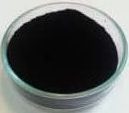
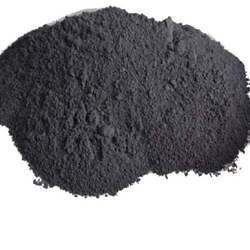
Related Fullerene Products for Your Research
Frequently Asked Questions
Fullerenes are a unique class of carbon allotropes, molecules composed entirely of carbon, forming a hollow sphere, ellipsoid, or tube. The most famous, Buckminsterfullerene (C60), resembles a soccer ball and its discovery opened up a new field in nanotechnology and materials science.
The toxicity of pristine fullerenes is a valid concern due to their poor solubility in water. However, this is largely overcome by creating fullerene derivatives through functionalization. These modified fullerenes are water-soluble and have shown excellent biocompatibility, making them safe for drug delivery and other biomedical applications.
Fullerenes act as nanoscale carriers. Their hollow cage-like structure allows them to encapsulate drug molecules, protecting them from degradation in the body. Their surface can be modified to target specific cells (like cancer cells), ensuring the drug is released exactly where it's needed, which minimizes side effects and increases treatment efficacy.
The cost of fullerene materials can vary widely based on purity, type (e.g., C60, C70), and functionalization. While historically expensive, advances in fullerene synthesis and the availability of suppliers like Hiyka in India have made them more accessible for R&D. Researchers can now procure research-grade fullerenes at a more viable cost, fostering innovation.
Ready to Advance Your Research with Fullerenes?
Empower your next breakthrough. Explore our comprehensive range of high-purity fullerene materials and derivatives, tailored for cutting-edge research in drug delivery, materials science, and beyond.
Browse Fullerene Products