The Dawn of a New Era in Medicine
In the ever-evolving landscape of medical science, nanotechnology has emerged as a transformative force, promising to redefine how we diagnose and treat diseases. At the heart of this revolution are **fullerenes**, a fascinating class of carbon nanomaterials. Shaped like a hollow soccer ball, the most famous member, Buckminsterfullerene (C60), has captivated scientists since its discovery. Today, its potential is being unlocked in one of the most critical areas of healthcare: **fullerene drug delivery**.
For India, a nation at the forefront of pharmaceutical innovation and research, the advent of **fullerenes in medicine** represents a monumental opportunity. As Indian researchers and industries strive for more effective, precise, and affordable healthcare solutions, understanding the applications of fullerenes is no longer a niche interest—it's a strategic necessity. This technology holds the key to overcoming long-standing challenges in pharmacology, such as poor drug solubility, lack of specificity, and severe side effects. By harnessing the unique **fullerene properties**, we can design intelligent drug delivery systems that target diseased cells with pinpoint accuracy, heralding a new era of personalized medicine tailored to the needs of the Indian population.
This article delves into the world of **fullerenes in nanotechnology**, exploring their profound impact on drug delivery systems. We will examine the benefits for researchers, the diverse applications across industries, and the specific trends and opportunities taking shape within India's dynamic R&D ecosystem.
Why Researchers are Turning to Fullerenes
The unique physicochemical characteristics of fullerenes make them exceptionally suited for advanced medical research. For scientists in India and across the globe, working with **fullerene technology** opens up a plethora of advantages over conventional methods. Here are the key benefits driving **fullerene research** in drug delivery:
-
Enhanced Bioavailability of Drugs
Many potent drugs are hydrophobic (water-insoluble), limiting their effectiveness. Fullerenes can encapsulate these drugs within their cage or have them attached to their surface, creating a water-soluble complex that can be easily transported through the bloodstream.
-
Precision Targeting and Reduced Side Effects
The surface of fullerenes can be functionalized with targeting ligands (like antibodies or peptides) that bind specifically to receptors on cancer cells or other pathological tissues. This ensures the drug is delivered directly to its target, maximizing therapeutic impact while minimizing collateral damage to healthy cells—a cornerstone of modern chemotherapy.
-
Inherent Therapeutic Properties
Fullerenes are not just passive carriers; they are powerful antioxidants. Their unique electron-accepting ability allows them to neutralize harmful free radicals, which are implicated in aging and numerous diseases. This dual functionality—as a drug vehicle and a therapeutic agent—is a significant area of **fullerene research**.
-
Controlled and Stimuli-Responsive Release
The **fullerene in drug delivery system** can be engineered to release its payload in response to specific triggers, such as changes in pH (common in tumor microenvironments), temperature, or exposure to light. This allows for on-demand drug activation, providing unprecedented control over treatment regimens.
Industry Applications: From Lab to Life
Oncology and Cancer Therapy
This is one of the most promising **fullerene applications**. By loading fullerenes with potent anti-cancer drugs and targeting them to tumors, researchers can enhance the efficacy of chemotherapy. Furthermore, fullerenes are excellent photosensitizers for Photodynamic Therapy (PDT), where they generate cytotoxic reactive oxygen species upon light activation to destroy cancer cells locally.
Antiviral and Antimicrobial Agents
Fullerene derivatives have shown remarkable activity against a range of viruses, including HIV, by inhibiting key viral enzymes. Their ability to disrupt bacterial cell walls also makes them a potential solution to the growing problem of antibiotic resistance. This area of **fullerenes in medicine** is critical for public health in India.
Neurodegenerative Diseases
The potent antioxidant capacity of fullerenes makes them ideal candidates for combating diseases like Alzheimer's and Parkinson's, which are characterized by oxidative stress. Their ability to cross the blood-brain barrier, a major hurdle in neurology, further enhances their potential for delivering neuroprotective drugs directly to the brain.
Medical Imaging and Diagnostics
By incorporating imaging agents like Gadolinium (for MRI) into the fullerene cage, scientists can create highly effective contrast agents. These endohedral fullerenes offer superior imaging quality and safety compared to conventional agents, improving diagnostic accuracy for a wide range of conditions.
Cosmeceuticals and Dermatology
The antioxidant properties of fullerenes are being leveraged in high-end skincare products to protect against UV-induced skin damage and aging. Their ability to deliver active ingredients deep into the skin also makes them valuable in dermatological treatments for conditions like psoriasis and acne.
Gene Therapy
Functionalized fullerenes are being explored as non-viral vectors for gene delivery. They can bind to DNA or RNA strands, protecting them from degradation and facilitating their entry into cells. This application of **nanomaterials** could revolutionize the treatment of genetic disorders.
India's Fullerene Frontier: Trends and Opportunities
The **fullerene market trends** in India are poised for significant growth, driven by strong government support for nanotechnology and a robust pharmaceutical industry. The "Make in India" initiative and increased funding for scientific research are creating a fertile ground for domestic **fullerene synthesis** and application development. Indian researchers are not just replicating global studies; they are innovating to address local health challenges, such as tropical diseases and affordable cancer care.
A key focus is on developing cost-effective production methods for high-purity fullerenes and their derivatives. Collaborations between academic institutions, such as the IITs and CSIR labs, and private sector R&D wings are crucial. These partnerships are accelerating the translation of laboratory breakthroughs in **fullerene drug delivery** into commercially viable products. The growing expertise in **nanomaterials** and a large pool of skilled scientists position India as a potential global hub for fullerene-based medical technologies. Professionals and researchers who invest in understanding **fullerene properties** and applications will be at the vanguard of this exciting field.
Frequently Asked Questions
Fullerenes are cage-like molecules made entirely of carbon atoms, with C60 (Buckminsterfullerene) being the most famous. Their unique hollow structure, high surface area, and ability to be functionalized make them ideal carriers for therapeutic agents. They can encapsulate or attach drug molecules, protecting them from degradation and enabling targeted delivery to specific cells or tissues, thereby enhancing efficacy and reducing side effects.
The safety of fullerenes depends on their functionalization. Pristine fullerenes are hydrophobic and can be toxic, but when they are functionalized (e.g., hydroxylated to create fullerols), they become water-soluble and biocompatible. Extensive research in India and globally is focused on developing safe, non-toxic fullerene derivatives for medical applications, with promising results in pre-clinical studies.
Fullerene-based systems offer several key advantages: 1) Targeted Delivery: They can be guided to specific sites like tumors, minimizing damage to healthy tissue. 2) High Drug Payload: Their structure allows them to carry a large number of drug molecules. 3) Improved Solubility: They can transport hydrophobic drugs through the bloodstream. 4) Controlled Release: They can be designed to release drugs in response to specific stimuli (e.g., pH, light). 5) Antioxidant Properties: Fullerenes themselves are potent antioxidants, which can provide additional therapeutic benefits.
India has a vibrant and growing research community in nanotechnology and nanomaterials. Institutions like the Indian Institutes of Technology (IITs), the National Chemical Laboratory (NCL), and the Jawaharlal Nehru Centre for Advanced Scientific Research (JNCASR) are actively involved in fullerene synthesis, functionalization, and exploring their applications in medicine. The focus is on developing cost-effective and scalable methods for using fullerenes in diagnostics, imaging, and targeted drug delivery for diseases prevalent in the Indian population.
Related Fullerene Products for Your Research
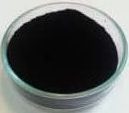
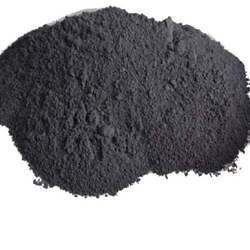
Ready to Advance Your Research?
Explore our comprehensive range of high-purity fullerenes and nanomaterials to power your next breakthrough. Get in touch with our experts for custom requirements and bulk orders.
Contact Us Today