
A New Era in Cosmetics: Understanding Fullerenes
In the ever-evolving world of cosmetic science, a star ingredient has emerged, captivating the attention of researchers and formulators across India and the globe: Fullerene. This unique molecule, a spherical allotrope of carbon, is not just a scientific curiosity but a powerhouse of potential for the skincare industry. For Indian researchers and professionals in the cosmetic and pharmaceutical sectors, understanding the benefits of fullerenes is crucial for staying at the forefront of innovation.
Fullerenes, often referred to as "buckyballs," possess an unparalleled ability to neutralize free radicals—the primary culprits behind premature aging and skin damage. Their structure allows them to act as a "radical sponge," effectively absorbing and deactivating these harmful molecules without being consumed in the process. This sustained antioxidant activity makes them a superior alternative to conventional ingredients. As the Indian consumer market grows more sophisticated, the demand for scientifically-backed, high-efficacy products is skyrocketing, creating a fertile ground for fullerene cosmetic applications.
Why Researchers are Turning to Fullerenes in Skincare
The unique properties of fullerenes offer significant advantages for cosmetic research and development. Here are the key benefits driving their adoption:
-
Exceptional Antioxidant Potency
Fullerenes exhibit antioxidant activity that is over 172 times more powerful than Vitamin C. This allows for the formulation of highly effective anti-aging and protective skincare products.
-
Unmatched Stability and Longevity
Unlike many traditional antioxidants that degrade quickly when exposed to UV light or oxygen, fullerenes are incredibly stable. This ensures that the product maintains its efficacy from the first use to the last, a critical factor in fullerene safety in cosmetics.
-
Multi-Faceted Skin Benefits
Fullerene research shows it goes beyond anti-aging. It helps in reducing hyperpigmentation by inhibiting melanin production, controls acne by regulating sebum, and minimizes pores, making it a versatile ingredient for a wide range of dermatological solutions.
-
Enhanced Delivery and Efficacy
The nano-scale size of fullerenes allows for better penetration into the epidermal layers, enhancing the delivery and effectiveness of other active ingredients in a cosmetic formulation. This synergistic effect is a key area of fullerene in cosmetic research benefits.
Key Fullerene Cosmetic Applications in the Industry
Anti-Aging Serums and Creams
The primary application is in high-performance anti-aging products. By combating oxidative stress, fullerenes help prevent and reduce the appearance of wrinkles, fine lines, and loss of elasticity, leading the charge in fullerenes in skincare.
Brightening and Anti-Pigmentation Treatments
Fullerenes effectively inhibit tyrosinase activity, the enzyme responsible for melanin production. This makes them a star ingredient in products designed to treat dark spots, sun damage, and uneven skin tone.
Acne and Blemish Control Formulations
Research has shown that fullerenes can regulate sebum production and exhibit anti-inflammatory properties, making them highly effective in cosmetic treatments for acne-prone and oily skin.
Protective Sunscreens and Day Creams
Incorporating fullerenes into sun care products boosts their protective capabilities. They shield the skin from UV-induced free radicals, providing an additional layer of defense against photodamage, a key fullerene use and benefit.
India-Specific Trends and Opportunities
The Indian cosmetic market is witnessing a paradigm shift towards 'cosmeceuticals'—products that bridge the gap between cosmetics and pharmaceuticals. This trend presents a massive opportunity for ingredients like fullerenes that are backed by robust scientific evidence. The fullerene industry trends in India point towards a growing demand for premium, high-efficacy ingredients among manufacturers aiming to cater to a discerning urban consumer base.
Furthermore, with increasing pollution levels in Indian metropolitan cities, the demand for anti-pollution skincare is at an all-time high. Fullerenes, with their ability to neutralize environmental aggressors, are perfectly positioned to meet this need. For Indian R&D labs and manufacturers, sourcing high-purity fullerenes is the first step towards innovating in this space. Exploring the various fullerene properties allows for the creation of targeted solutions for the specific dermatological challenges faced by the Indian population, such as hyperpigmentation and oxidative stress from harsh sun exposure.
Explore Our High-Purity Fullerene Products
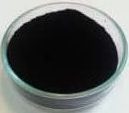
Fullerene C70, 99+%
View Product →
Fullerene C60, 99+%
View Product →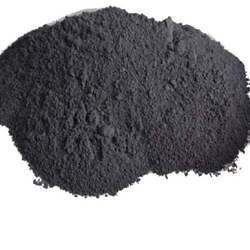
Fullerene Extract
View Product →
Fullerol
View Product →Frequently Asked Questions
Fullerenes are carbon allotropes with a unique spherical structure, often called 'buckyballs.' They are used in cosmetics for their exceptional antioxidant properties, which are over 172 times more potent than Vitamin C. They neutralize free radicals, protecting the skin from oxidative stress, UV damage, and premature aging.
Yes, when used in cosmetic-grade formulations, fullerenes are considered safe. Extensive research has demonstrated their safety and efficacy in topical applications. They exhibit low toxicity and are non-irritating to the skin, making them a reliable ingredient for advanced skincare products.
Fullerenes are significantly more powerful and stable than traditional antioxidants. Unlike Vitamin C, which can degrade with exposure to light and air, fullerenes maintain their antioxidant capacity for extended periods. Their unique mechanism allows them to continuously scavenge free radicals without being consumed in the process, offering long-lasting protection.
Fullerene-based cosmetics can address a wide range of skin concerns, including signs of aging (wrinkles, fine lines), hyperpigmentation, sun damage, acne, and inflammation. Their ability to control melanin production, reduce sebum, and protect against pollutants makes them a versatile solution for achieving clearer, brighter, and more youthful skin.
Ready to Innovate with Fullerenes?
Advance your cosmetic formulations with our high-purity fullerenes. Contact our experts to discuss your research needs and get a quote.
Contact Us Today