
An Introduction to Fullerenes: The Carbon Allotrope Shaping Modern Science
In the expansive world of materials science, few discoveries have sparked as much excitement and innovation as that of fullerenes. These unique molecules, a third allotrope of carbon alongside diamond and graphite, are cage-like structures composed entirely of carbon atoms, most famously forming a sphere (like the C60 "buckyball") or a tube (carbon nanotubes). Since their discovery in 1985, the study of fullerenes' chemical properties has unlocked a universe of possibilities, positioning them as a cornerstone of modern nanotechnology.
For the vibrant research and development community in India, understanding fullerene applications is not just an academic exercise; it's a gateway to pioneering advancements. From medicine to electronics, the versatility of these carbon cages is transforming industries. Their exceptional electronic characteristics, high strength, and the ability to be chemically modified make them a prime candidate for solving some of the most pressing technological challenges. As India continues to strengthen its position as a global hub for scientific innovation, harnessing the power of fullerenes in nanotechnology is crucial. This article delves into the transformative role of fullerenes, with a special focus on their game-changing application in chemical sensors—a field of immense importance for environmental monitoring, healthcare diagnostics, and industrial safety in the Indian context.
We will explore the journey from fundamental properties to sophisticated applications, highlighting how fullerene derivatives are being engineered to create sensors with unprecedented sensitivity and selectivity. For Indian researchers and professionals, this is a call to explore a material that promises not just incremental improvements, but revolutionary leaps forward.
Why Researchers are Turning to Fullerenes: Key Benefits
Exceptional Electron Affinity
Fullerenes are powerful electron acceptors. This property is fundamental to their use in fullerenes in chemical sensors, where they can efficiently transfer charge upon interaction with an analyte, generating a clear electrical signal. This makes them invaluable for creating highly sensitive electronic sensors.
Tunable Chemical Functionalization
The surface of a fullerene molecule can be modified by attaching various chemical groups. This allows researchers to create a vast library of fullerene derivatives, each tailored to detect a specific chemical. This customizability is a massive advantage over less versatile materials.
High Surface Area-to-Volume Ratio
Their nanoscopic, hollow structure provides a large surface area. In sensor applications, this means more sites are available for interaction with target molecules, significantly amplifying the sensor's response and improving detection limits—a key benefit of fullerenes in nanotechnology.
Superb Photophysical and Electrochemical Properties
Fullerenes exhibit unique behaviors when exposed to light and electric fields. This opens the door for developing not just electrical sensors, but also optical and electrochemical ones. Their stability under various conditions ensures the longevity and reliability of the devices, a crucial factor in the uses of fullerenes in electronics.
Revolutionizing Industries: Key Fullerene Applications
Advanced Chemical Sensors
The flagship application. By functionalizing fullerenes, we can create sensors for detecting pollutants (NOx, SOx), volatile organic compounds (VOCs) in factories, or even biomarkers for early disease diagnosis. The high sensitivity of fullerenes in chemical sensors is revolutionizing environmental and healthcare monitoring in India.
Organic Solar Cells (OPVs)
Fullerene derivatives are star players in the active layer of organic solar cells. As excellent n-type materials, they facilitate the separation of charge carriers generated by sunlight, boosting the efficiency of flexible, lightweight solar panels—a key area of fullerene applications for India's renewable energy goals.
Biomedical & Drug Delivery
The hollow cage of a fullerene can encapsulate drug molecules, protecting them in the bloodstream and releasing them at a target site. Their unique properties are also explored in MRI contrast agents and photodynamic therapy for cancer, showcasing the diverse benefits of fullerenes in nanotechnology.
High-Performance Lubricants
At the nanoscale, fullerenes act like molecular ball bearings. When added to oils and greases, they drastically reduce friction and wear in machinery. This industrial application improves efficiency and extends the lifespan of critical equipment, a tangible economic benefit.
Advanced Catalysts
The unique electronic structure and high surface area of fullerenes make them effective catalysts or catalyst supports. They can accelerate chemical reactions in various industrial processes, from petroleum refining to pharmaceutical synthesis, offering greener and more efficient production methods.
Next-Gen Electronics
The uses of fullerenes in electronics extend to Organic Field-Effect Transistors (OFETs). Their semiconducting properties are essential for building flexible and transparent electronic circuits, paving the way for foldable displays and wearable technology.
Trends and Opportunities for Fullerenes in India
The landscape of materials science in India is buzzing with activity, and the trends in fullerene technology are at the forefront of this excitement. Indian research institutions and tech startups are increasingly focusing on nanomaterials, creating a fertile ground for innovation. One of the most significant trends is the development of low-cost, high-sensitivity sensors for public health and environmental monitoring. The 'Make in India' initiative provides a strong tailwind for developing indigenous sensor technology based on fullerene derivatives for chemical sensors, aimed at tackling local challenges like air and water pollution monitoring in densely populated urban centers.
Another key area is the synergy between fullerenes and India's ambitious solar energy program. As researchers push for more efficient and affordable solar cells, the unique fullerenes chemical properties make them indispensable. The latest fullerenes research news frequently highlights breakthroughs in organic photovoltaics where fullerene-based acceptors are achieving record efficiencies. This presents a massive opportunity for Indian scientists and companies to contribute to and capitalize on the global renewable energy market.
Furthermore, the conversation around fullerene safety is maturing. Indian regulatory bodies and research ethics committees are establishing clear guidelines, which builds confidence and paves the way for commercialization, especially in biomedical fields. As the global supply chain for high-purity fullerenes becomes more robust, access for Indian R&D labs is improving, lowering the barrier to entry for cutting-edge research. The convergence of government support, academic curiosity, and industrial demand signals a golden era for fullerene applications in India, promising a future where this remarkable molecule plays a central role in the nation's technological progress.
Frequently Asked Questions
Fullerenes possess unique chemical properties, including high electron affinity, the ability to be functionalized, and exceptional stability. Their cage-like structure allows them to encapsulate other atoms, making them ideal for drug delivery and contrast agents. Their reactivity can be tuned by adding different chemical groups to their surface, creating a wide range of fullerene derivatives for specific applications.
Fullerene safety is an active area of research. While pristine fullerenes show low toxicity, their derivatives' safety depends on their specific functionalization. Researchers in India and globally follow strict protocols to study their biocompatibility and environmental impact. For most established applications, such as in electronics and sealed industrial composites, they are considered safe.
In electronics, fullerenes are primarily used as organic n-type semiconductors in organic photovoltaics (OPVs) and organic field-effect transistors (OFETs). Their high electron mobility and tunable energy levels make them excellent electron acceptors, boosting the efficiency of solar cells and other electronic devices.
Fullerene derivatives for chemical sensors are developed by functionalizing the fullerene cage with specific molecules or polymers that can selectively bind to a target analyte. This process, known as covalent or non-covalent modification, alters the electronic properties of the fullerene upon interaction with the chemical species, generating a detectable signal (e.g., electrical, optical) for the sensor.
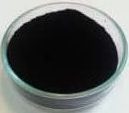
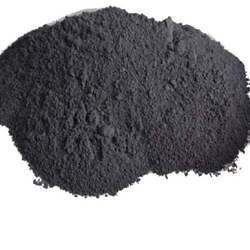
Explore Our Fullerene Products
Ready to Advance Your Research?
Leverage the power of high-purity fullerenes for your next breakthrough. Explore our extensive catalog or contact our experts for custom solutions tailored to your project needs.
Browse All Fullerenes