A Paradigm Shift in Catalysis: The Rise of Fullerene-Based Materials
In the ever-evolving landscape of materials science, few discoveries have sparked as much excitement as that of fullerenes. These hollow, cage-like carbon molecules, with Buckminsterfullerene (C60) being the most iconic, represent a unique state of matter with extraordinary potential. For researchers and industry professionals in India, the application of fullerene-based materials in catalysis is not just an academic curiosity; it's a gateway to groundbreaking industrial advancements.
Catalysis is the backbone of the chemical industry, enabling the efficient production of everything from fuels to pharmaceuticals. The quest for better catalysts—those that are more active, selective, and durable—is relentless. This is where fullerenes in catalysis emerge as a game-changer. Their incredible surface area, electron-accepting capabilities, and the ability to be functionalized into various fullerene derivatives make them ideal candidates for creating the next generation of high-performance nanocomposites.
This article delves into the catalytic properties of fullerenes, exploring their applications and the immense opportunities they present for the Indian R&D ecosystem. From green chemistry to advanced manufacturing, the integration of nanotechnology in chemistry via fullerenes is set to redefine efficiency and sustainability.
Why Indian Researchers Should Focus on Fullerene Catalysts
For the Indian scientific community, this field offers a fertile ground for innovation. The key benefits of exploring the catalytic properties of fullerenes include:
-
Unprecedented Catalytic Support
Fullerenes prevent the agglomeration of metal nanoparticles (like platinum or palladium), drastically increasing the catalyst's active surface area and lifespan. This leads to higher efficiency in reactions.
-
Tunable Reactivity
Through chemical modification, fullerene derivatives can be designed with specific functional groups, allowing for highly selective catalytic processes—a crucial factor in pharmaceutical and fine chemical synthesis.
-
Contribution to Green Chemistry
The development of robust and reusable fullerene-based catalysts aligns perfectly with the principles of green chemistry, promoting sustainable industrial processes with minimal environmental impact.
-
High Potential for Novel Patents and Publications
As an emerging field, research into fullerene based nanocomposites for catalysis offers significant opportunities for novel discoveries, leading to high-impact publications and valuable intellectual property.
Industrial Applications: Transforming Key Indian Sectors
Petrochemicals & Refining
In the energy sector, fullerene-based catalysts show promise for hydrogenation, isomerization, and cracking processes. Their stability under harsh conditions and high activity can lead to cleaner fuels and more efficient refining, directly supporting India's energy security goals.
Pharmaceutical Synthesis
The precise control offered by fullerene derivatives is invaluable in synthesizing complex pharmaceutical compounds. These catalysts can enable stereoselective reactions, which are critical for producing drugs with high purity and efficacy, bolstering India's position as the 'pharmacy of the world'.
Environmental Remediation
One of the most exciting nanocomposites applications is in environmental cleanup. Fullerene-based photocatalysts can efficiently degrade persistent organic pollutants, such as industrial dyes and pesticides, in wastewater, offering a powerful tool for tackling pollution in India's rivers and water bodies.
Renewable Energy
Fullerenes are already known for their role in organic solar cells. As catalysts, they can also enhance the efficiency of fuel cells and water splitting for hydrogen production, contributing to the development of a sustainable energy ecosystem in India.
India-Specific Trends and Opportunities
The nanomaterials market trends in India point towards a significant uptake in advanced materials driven by government initiatives like 'Make in India' and 'Aatmanirbhar Bharat'. Developing indigenous, high-performance catalysts from fullerene-based materials is a strategic imperative. This reduces reliance on imported catalysts and builds domestic technological capacity.
There is a growing demand for cost-effective fullerene synthesis methods. Indian researchers who can innovate in this area will find immense support from both public and private sectors. The focus is shifting from lab-scale experiments to pilot-scale production of high-performance nanocomposites, creating a bridge between academic research and industrial application. The diverse applications of fullerenes ensure that breakthroughs in this domain will have a cascading positive effect across the economy.
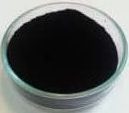
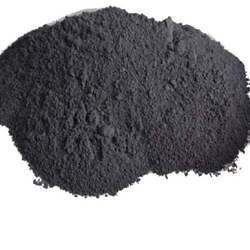
Procure High-Purity Fullerenes for Your Research
Frequently Asked Questions
Fullerenes are a unique class of carbon allotropes, essentially molecules composed entirely of carbon, forming a hollow sphere, ellipsoid, or tube. The most famous, Buckminsterfullerene (C60), resembles a soccer ball. Their distinct structure gives them exceptional electronic and physical properties, making them a cornerstone of nanotechnology.
Fullerenes act as superior catalyst supports due to their high surface area and electron-accepting nature. They can anchor metal nanoparticles, preventing them from clumping together (aggregation), which maintains high catalytic activity and longevity. Furthermore, their structure can be functionalized to create active sites, making fullerene derivatives themselves act as catalysts.
While the initial cost of high-purity fullerene synthesis can be high, the long-term economic benefits are significant. These catalysts offer higher efficiency, selectivity, and reusability, leading to reduced operational costs, less waste, and higher product yields. As synthesis methods improve and scale up, the cost is expected to decrease, making them increasingly viable for the Indian market.
The primary challenges include the cost of production, achieving uniform dispersion within composite materials, and potential scalability issues. Ensuring the stability of the catalyst under harsh industrial conditions is also a key area of research. However, ongoing R&D in India and globally is actively addressing these hurdles.
Indian researchers and companies can source a wide range of high-purity fullerenes and their derivatives from specialized suppliers like Hiyka. Having a reliable domestic supply chain is crucial for accelerating research and development in advanced materials like fullerene-based nanocomposites.
Ready to Advance Your Research?
Leverage the power of fullerene-based materials in your next project. Explore our comprehensive range of high-purity fullerenes and derivatives to fuel your innovation.
Browse Fullerenes Catalog