Introduction: The Dawn of a New Era in Water Purity
India, a nation bustling with innovation and growth, faces a monumental challenge: ensuring access to clean and safe water for its 1.4 billion people. Traditional water purification methods, while effective to an extent, often struggle with emerging contaminants and can be energy-intensive. Enter the world of nanotechnology, a field that promises to redefine the boundaries of what's possible. At the forefront of this revolution are fullerenes, a unique class of carbon nanomaterials with extraordinary potential.
Fullerene research is not just an academic pursuit; it's a beacon of hope. For Indian researchers, professionals, and industries, understanding fullerene applications in water purification represents a significant opportunity. This technology offers a pathway to develop decentralized, efficient, and sustainable water treatment systems. From removing industrial pollutants in the Ganges to providing potable water in remote villages, fullerene nanotechnology holds the key to tackling one of India's most pressing environmental and social issues.
This article delves deep into the world of fullerene water purification. We will explore the fundamental properties of these "buckyballs," the benefits they offer to the research community, their groundbreaking applications, and the specific opportunities and trends emerging within the Indian R&D landscape. Join us as we uncover how these tiny carbon cages are poised to make a massive impact.
Why Should Indian Researchers Focus on Fullerenes?
For scientists and researchers in India, the field of fullerene research is a fertile ground for innovation and career growth. The unique properties of fullerenes open up a multidisciplinary domain that connects chemistry, physics, materials science, and environmental engineering. Here’s why this is a golden opportunity:
- Vast Research Scope: The surface chemistry of fullerenes can be easily modified. This allows for the creation of countless fullerene derivatives, each tailored for specific tasks, such as targeting particular pollutants or enhancing photocatalytic efficiency.
- Solving National Challenges: Research aligned with national priorities, such as the 'Jal Jeevan Mission' or 'Namami Gange Programme', often attracts significant government funding and recognition. Fullerene water purification research studies directly contribute to these critical goals.
- High-Impact Publications: The novelty and effectiveness of fullerene-based technologies often lead to publications in high-impact journals, boosting the academic profile of researchers and their institutions.
- Industry Collaboration: As the fullerene market grows, there is an increasing demand from industries for scalable and efficient purification technologies. This creates opportunities for collaborative projects, patents, and technology transfer from lab to industry.
- Global Network: Fullerene research is a global effort. Working in this field allows Indian scientists to connect with a worldwide network of experts, fostering international collaborations and knowledge exchange.
Groundbreaking Fullerene Applications in Water Treatment
The versatility of fullerene nanotechnology translates into a wide array of applications for tackling complex water contamination issues. Here are some of the most promising areas where fullerenes are making a difference:
Advanced Adsorption of Pollutants
Due to their high surface-area-to-volume ratio and electron-rich structure, fullerenes are excellent adsorbents. They can effectively trap a wide range of organic molecules, including pesticides, pharmaceuticals, and industrial dyes, which are often difficult to remove with conventional methods.
Photocatalytic Degradation
When exposed to sunlight, certain fullerene derivatives act as powerful photocatalysts. They generate reactive oxygen species (ROS) that can break down persistent organic pollutants (POPs) into harmless substances like carbon dioxide and water. This is a green, energy-efficient method for detoxification.
High-Efficacy Antimicrobial Agents
Fullerenes can interact with the cell walls of bacteria and viruses, disrupting their structure and leading to inactivation. This makes them a potent alternative to chlorine-based disinfection, avoiding the formation of harmful disinfection byproducts (DBPs).
Membrane Technology Enhancement
Incorporating fullerenes into water filtration membranes can significantly improve their performance. These nanocomposite membranes exhibit higher water flux, better resistance to fouling (clogging by microbes and particles), and enhanced rejection of salts and contaminants.
Opportunities & Trends: The Indian Fullerene Landscape
The convergence of India's growing industrial economy and its pressing need for environmental solutions has created a unique ecosystem for advanced materials like fullerenes. The fullerene market in India, while nascent, is poised for exponential growth, driven by key sectors such as pharmaceuticals, electronics, and, most importantly, environmental technology.
The Push for Indigenous Nanotechnology
The 'Make in India' initiative has catalyzed a push for domestic production and research in high-tech fields. This includes the fullerene synthesis and development of fullerene-based products. Indian research institutions like the IITs, IISc, and CSIR labs are actively engaged in nanomaterials science. For professionals in the field, this translates to growing opportunities in R&D, process engineering, and quality control. The government's focus on self-reliance could lead to subsidies and grants for companies and startups looking to establish fullerene production facilities in the country.
Water Purification: A Market Ripe for Disruption
The Indian water purifier market is massive, but it is largely dominated by conventional RO and UV technologies. There is a clear gap for more advanced, robust solutions that can handle complex industrial effluents and antibiotic-resistant microbes. Fullerene water purification systems, especially those integrated with solar photocatalysis, are perfectly suited for India's climate and energy landscape. Startups that can develop cost-effective, fullerene-based cartridges or filtration units could disrupt this market significantly. The key will be to balance performance with affordability, a crucial factor for widespread adoption in India.
Navigating the Challenges: Fullerene Toxicity and Regulation
A critical aspect of bringing any new material to market is understanding its environmental and health impact. The conversation around fullerene toxicity is vital. Researchers in India have the opportunity to lead studies on the long-term effects of fullerene-based materials in local environmental conditions. This research is essential for developing safe-by-design nanomaterials and for helping bodies like the Central Pollution Control Board (CPCB) to formulate clear regulatory guidelines for the use and disposal of nanotechnology products. Proactive research in this area will build public trust and ensure the sustainable growth of the fullerene nanotechnology sector.
Frequently Asked Questions
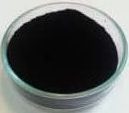
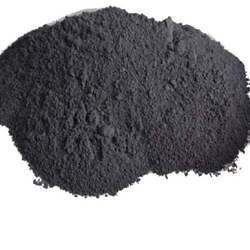
Fullerenes are a unique class of carbon allotropes, essentially molecules composed entirely of carbon atoms, forming a hollow sphere, ellipsoid, or tube. The most famous is Buckminsterfullerene (C60), which resembles a soccer ball. Their unique structure gives them extraordinary chemical and physical properties, making them a cornerstone of nanotechnology.
Fullerenes and their derivatives can purify water through several mechanisms: 1. Adsorption: Their large surface area allows them to adsorb organic pollutants and heavy metals. 2. Photocatalysis: When exposed to light, they can generate reactive oxygen species (ROS) that degrade persistent organic pollutants. 3. Antibacterial Action: They can disrupt bacterial cell membranes, making them effective disinfectants without forming harmful byproducts like chlorine.
The toxicity of fullerenes is a subject of ongoing research. While pristine fullerenes have low solubility in water and show minimal toxicity, their functionalized derivatives can have varied effects. Research focuses on creating biocompatible fullerene-based materials that can be effectively removed from water after treatment, ensuring the final product is safe for consumption. Proper implementation and containment are key.
The primary challenges include: 1. High Cost: The synthesis of high-purity fullerenes is still expensive, limiting large-scale application. 2. Scalability: Moving from lab-scale success to industrial-level water treatment plants requires significant engineering and investment. 3. Regulatory Framework: India needs clear guidelines for the use and disposal of nanomaterials in public utilities. 4. Public Perception: Educating the public about the safety and benefits of nanotechnology is crucial for acceptance.
Ready to Advance Your Research?
Explore our comprehensive range of high-purity fullerenes and fullerene derivatives to power your next discovery. From C60 to functionalized fullerenes, find the materials you need for cutting-edge research in water purification, materials science, and beyond.
View Related Products