
An Introduction to the Fullerene Paradox
Since their discovery in 1985, fullerenes have captured the imagination of the global scientific community. These unique carbon allotropes, with their iconic soccer-ball-like structure (C60 or Buckminsterfullerene), represent a cornerstone of nanotechnology. Their hollow cage structure, exceptional stability, and novel electronic properties opened a floodgate of **fullerene research**, promising revolutionary **fullerenes uses** across various fields. However, with great potential comes great responsibility. As these nanomaterials move from laboratory benches to real-world applications, a critical question emerges: what are the implications of **fullerene toxicity**?
For India, a nation rapidly advancing its footprint in nanotechnology and biomedical engineering, understanding this paradox is not just an academic exercise—it's a national imperative. Indian researchers in institutions like the CSIR, DRDO, and leading universities are at the forefront of exploring **fullerenes applications**, particularly **fullerenes in medicine**. This guide aims to provide a comprehensive, humanized overview of the current landscape, balancing the concerns of toxicity with the excitement of innovation. We will delve into the latest **fullerene toxicity in humans research**, explore the material's structure and properties, and highlight the opportunities awaiting Indian scientists and industries.
Why Fullerenes are a Game-Changer for Researchers
The unique **fullerene structure** and **fullerenes properties** offer a powerful toolkit for researchers aiming to push the boundaries of science. Here are key benefits:
- Exceptional Antioxidant Activity: Fullerenes are potent radical scavengers, capable of neutralizing harmful free radicals. This makes them invaluable for research into aging, neurodegenerative diseases, and inflammatory conditions.
- Novel Drug Delivery Vehicle: The hollow cage of a **fullerene** can be functionalized to carry drug molecules, protecting them from degradation and delivering them to specific targets in the body. This is a key area of **fullerene research** for cancer therapy and other targeted treatments.
- Advanced Photovoltaic Properties: In materials science, fullerenes are excellent electron acceptors, making them a critical component in organic solar cells and next-generation electronics. This aligns with India's push for renewable energy solutions.
- Superior Biocompatibility (When Functionalized): While raw **fullerene toxicity** is a concern, modifying their surface with hydrophilic groups (creating "fullerols") can drastically improve biocompatibility, making them safe and effective for **fullerenes in medicine**.
Key Industry Applications of Fullerenes
Biomedicine & Healthcare
This is perhaps the most exciting frontier for **fullerenes uses**. Research is heavily focused on using them as:
• Targeted Drug Delivery Systems: For delivering chemotherapy agents directly to tumors.
• MRI Contrast Agents: For clearer, more detailed diagnostic imaging.
• Antiviral & Antibacterial Agents: Exploring their ability to inhibit viral replication and bacterial growth.
• Neuroprotection: Leveraging their antioxidant properties to combat diseases like Alzheimer's and Parkinson's.
Electronics & Energy
The unique **fullerene chemistry** makes them ideal for high-performance electronics. Key **fullerenes applications** include:
• Organic Solar Cells (OPVs): Acting as powerful electron acceptors to improve energy conversion efficiency.
• Transistors and Sensors: Creating highly sensitive and efficient electronic components.
• Hydrogen Storage: Research into using fullerene cages to store hydrogen for clean energy applications.
Advanced Materials & Composites
Incorporating fullerenes into other materials can dramatically enhance their properties. This includes:
• High-Strength Composites: Adding fullerenes to polymers to create lightweight, ultra-strong materials for aerospace and automotive industries.
• High-Performance Lubricants: Reducing friction and wear in mechanical systems.
• Durable Coatings: Creating scratch-resistant and UV-protective surfaces.
Cosmeceuticals
The powerful antioxidant properties of fullerenes have found a niche in the high-end cosmetics industry. They are used in:
• Anti-Aging Creams: To protect skin from damage caused by free radicals and UV radiation.
• Antioxidant Serums: To promote skin health and vitality.
This application highlights the importance of understanding **fullerene toxicity** for consumer safety.
Fullerene Research in India: Trends and Opportunities
The Indian government's focus on initiatives like "Make in India" and the National Mission on Nanoscience and Nanotechnology has created a fertile ground for advanced materials research. **Fullerene research** is a key part of this landscape. Research hubs in Bengaluru, Pune, Hyderabad, and Delhi are actively investigating both the promise and the peril of these molecules. A significant trend is the focus on "green" synthesis and functionalization of fullerenes to mitigate environmental and health concerns.
A critical opportunity for Indian scientists lies in conducting India-specific **fullerene toxicity in humans research**. This involves studying the effects of fullerenes in the context of the Indian population's genetic diversity and local environmental factors. Such studies are vital for establishing national safety standards and building public trust. Furthermore, there is immense potential in developing low-cost **fullerenes applications** for local challenges, such as water purification, affordable solar energy, and targeted therapies for prevalent diseases. The synergy between **nanotubes and fullerenes** is another area ripe for exploration, potentially leading to hybrid materials with unprecedented capabilities.
Frequently Asked Questions
Recommended Fullerene Products for Your Research
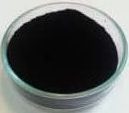
Fullerene C70, 99+%
View Product →
Fullerene C60, 99+%
View Product →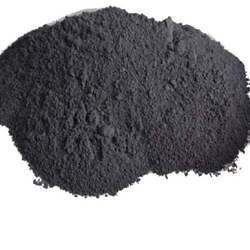
Fullerene Extract
View Product →
Fullerol
View Product →Ready to Advance Your Research?
Harness the potential of fullerenes with high-purity materials designed for cutting-edge applications. Explore our extensive catalog and find the right products for your next breakthrough.
Browse Fullerene Products