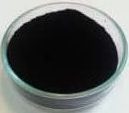
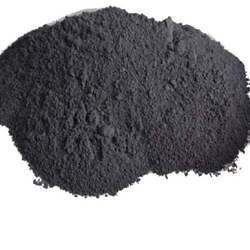
Introduction: The Dawn of a New Materials Era
In the ever-evolving landscape of material science, a unique class of carbon molecules known as fullerenes has captured the imagination of scientists worldwide. Shaped like microscopic soccer balls, these carbon allotropes, particularly C60 and C70, are at the forefront of nanotechnology research. For India, a nation rapidly cementing its position as a global hub for R&D and manufacturing, the exploration of fullerene materials presents a monumental opportunity. This is especially true in the field of electronics, where the unique properties of fullerene thin films are paving the way for groundbreaking innovations.
From enhancing the efficiency of solar cells to creating ultra-sensitive biosensors, the applications of fullerenes are as diverse as they are impactful. Their exceptional electron-accepting capabilities and semiconductor properties make them a prime candidate for replacing or augmenting traditional materials like silicon. This article serves as a comprehensive guide for Indian researchers, students, and industry professionals, delving into the fundamental fullerene properties, their synthesis, and the vast potential held by fullerenes in electronics.
Why Should Indian Researchers Focus on Fullerene Thin Films?
Engaging in fullerene research offers a competitive edge in the global scientific community. For researchers in India, focusing on fullerene thin films for electronics provides numerous strategic benefits:
- High-Impact Publications: Research in advanced materials like fullerenes often leads to publications in high-impact journals, boosting academic profiles and institutional rankings.
- Contribution to 'Make in India': Developing expertise in fullerene-based electronics aligns perfectly with national initiatives like 'Make in India' and 'Digital India', fostering indigenous development of high-tech products.
- Unique Electronic Properties: Fullerenes act as powerful n-type semiconductors. Their high electron affinity and mobility are critical for creating efficient organic photovoltaic (OPV) cells and organic field-effect transistors (OFETs).
- Interdisciplinary Collaboration: Fullerene research is inherently interdisciplinary, bridging physics, chemistry, materials science, and engineering. This fosters collaboration between various academic departments and industries.
- Future-Proof Skill Set: Gaining expertise in the synthesis and characterization of fullerene molecules and thin films equips researchers with skills that are in high demand for next-generation technology sectors.
Key Industry Applications of Fullerenes in Electronics
Organic Photovoltaics (OPVs)
Fullerenes and their derivatives (like PCBM) are star players in the world of organic solar cells. Used as electron acceptors in the active layer, they facilitate efficient charge separation and transport, significantly boosting the power conversion efficiency of flexible, lightweight, and low-cost solar panels.
Field-Effect Transistors (OFETs)
The semiconductor properties of fullerene thin films make them ideal for the n-channel in OFETs. These transistors are the building blocks for flexible displays, RFID tags, and wearable electronics, opening doors for a new generation of consumer devices.
Advanced Sensors
The large surface area and high reactivity of fullerene molecules can be harnessed to create highly sensitive chemical and biological sensors. When a target molecule interacts with a fullerene thin film, it alters its electrical conductivity, allowing for the detection of minute quantities of substances.
Perovskite Solar Cells Stabilisation
One of the most exciting fullerene applications is in stabilizing perovskite solar cells. A thin layer of fullerenes can passivate defects, improve electron extraction, and protect the delicate perovskite layer from moisture, dramatically enhancing both the efficiency and operational lifetime of these promising solar cells.
Opportunities and Future Trends in India
The journey of fullerenes in nanotechnology is just beginning, and India is well-positioned to become a key contributor. The Indian government's focus on renewable energy creates a massive demand for advanced photovoltaic research, where fullerene materials are critical. Research institutions can partner with solar manufacturing companies to integrate fullerene-based layers into commercial solar cells, improving efficiency and durability.
Furthermore, the burgeoning field of flexible and wearable electronics presents a fertile ground for fullerene applications. As the demand for smart textiles, health monitoring patches, and foldable displays grows, so will the need for high-performance organic transistors and circuits built upon fullerene thin films. The key to unlocking this potential lies in advancing fullerene synthesis techniques to make them more scalable and cost-effective, a challenge that Indian chemists and material scientists are actively addressing.