
Introduction: The Dawn of a Carbon Revolution
In the ever-evolving world of nanotechnology, few discoveries have sparked as much excitement and potential as that of fullerenes. These unique carbon allotropes, with their iconic spherical or ellipsoidal cage-like structures, have moved from a scientific curiosity to a cornerstone of modern materials science. The synthesis of carbon nanostructures, particularly fullerenes, represents a significant leap forward, offering unprecedented properties that are being harnessed across a multitude of industries. For India, a nation rapidly ascending as a global hub for research and development, understanding the intricacies of fullerene synthesis is not just an academic exercise; it's a strategic imperative.
The journey of manufacturing fullerenes has been one of relentless innovation. From the initial discovery in 1985, which earned a Nobel Prize, scientists have developed sophisticated fullerene synthesis methods and protocols to produce these molecules in greater quantities and purities. This progress is critical, as the applications of fullerene nanoparticles are vast and transformative—ranging from creating hyper-efficient solar cells and powerful antioxidants in medicine to developing next-generation lubricants and catalysts. As Indian researchers and industries push the boundaries of innovation, mastering the production of these advanced materials is key to unlocking a future of technological self-reliance and global leadership.
Why Should Indian Researchers Focus on Fullerene Synthesis?
- Aligns with National Missions: Research into fullerenes in nanotechnology directly supports key government initiatives like 'Make in India' and the National Mission on Nanoscience and Nanotechnology (Nano Mission), attracting significant funding and institutional support.
- High-Impact Publications: The field of new fullerene research is fertile ground for groundbreaking discoveries, leading to publications in high-impact journals and establishing researchers as global thought leaders.
- Interdisciplinary Collaboration: Fullerene synthesis bridges chemistry, physics, materials science, and engineering, fostering a collaborative research environment that is essential for modern scientific breakthroughs.
- Commercialization Opportunities: Developing cost-effective and scalable methods for manufacturing fullerenes can lead to valuable patents and technology transfers, creating a direct pathway from the lab to the market.
- Solving Real-World Problems: From water purification and targeted drug delivery to enhancing energy efficiency, research into fullerenes applications provides a direct opportunity to tackle some of India’s most pressing societal challenges.
Core Methods for Fullerene Synthesis
The ability to produce high-quality fullerenes is the gateway to unlocking their potential. Over the years, several techniques have been refined. Here are the most prominent methods used today:
1. Carbon Arc-Discharge Method
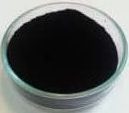
This is the most common and historically significant method for bulk fullerene synthesis. It involves creating a high-current electric arc between two graphite electrodes in a low-pressure inert gas (typically helium or argon). The intense heat vaporizes the carbon from the anode, which then condenses in the cooler gas atmosphere to form a soot-like material. This soot contains a mixture of fullerenes, primarily C60 and C70, which must then be separated and purified using solvent extraction and chromatography. While effective for large-scale production, a major challenge is controlling the process to maximize the yield of desired fullerenes and minimize byproducts.
2. Laser Ablation of Graphite
In this method, a high-power laser is aimed at a graphite target in a high-temperature reactor flushed with an inert gas. The laser pulse vaporizes the carbon, creating a hot plasma plume that cools as it expands. As it cools, carbon atoms cluster to form fullerenes. Laser ablation offers better control over the synthesis conditions compared to the arc-discharge method, often resulting in a higher yield of fullerenes. However, its scalability and energy consumption make it more suitable for research and specialized applications rather than mass manufacturing of fullerenes.
3. Chemical Vapor Deposition (CVD) and Combustion
Combustion-based synthesis involves burning hydrocarbons (like benzene or acetylene) in fuel-rich conditions. Under carefully controlled pressure and temperature, the combustion process can lead to the formation of fullerenes in the flame. This method is promising for continuous, large-scale production. Similarly, CVD techniques involve the decomposition of carbon-containing precursors on a substrate. While these methods are still being optimized, they represent a promising frontier for more controlled and potentially lower-cost synthesis of carbon nanostructures, which is a key focus of new fullerene research.
Transformative Applications of Fullerenes
Photovoltaics & Solar Energy
Fullerene derivatives are exceptional electron acceptors. This property makes them a critical component in organic photovoltaic (OPV) cells. When blended with a polymer donor, they facilitate efficient charge separation and transport, significantly boosting the power conversion efficiency of solar cells. This is a key area in fullerenes in nanotechnology with immense potential for India's renewable energy goals.
Biomedicine and Pharmaceuticals
The unique cage structure of fullerenes allows them to encapsulate drug molecules for targeted delivery. Furthermore, their powerful antioxidant properties—scavenging free radicals—are being explored for treating neurodegenerative diseases and inflammation. The study of fullerenes properties for medical use is a rapidly growing field.
Advanced Lubricants & Coatings
Fullerene nanoparticles act as "molecular ball bearings," drastically reducing friction and wear between surfaces. When added to lubricating oils or greases, they can extend the life of machinery and improve efficiency. Their hardness also makes them suitable for creating scratch-resistant coatings for various materials.
Opportunities & Market Trends in India
The Indian nanotechnology market is on a steep growth trajectory, and fullerenes are a significant part of this wave. The fullerenes market trends in India are driven by both government initiatives and private sector investment. The Indian government's 'Nano Mission' has been instrumental in creating a robust ecosystem for R&D, providing grants, and establishing state-of-the-art facilities in institutions like the IITs and IISc. This has spurred a wave of new fullerene research focused on local challenges.
A key trend is the push towards "green" fullerene synthesis methods that minimize the environmental impact of fullerenes. Indian researchers are exploring the use of natural precursors and more energy-efficient processes. Furthermore, there is a growing demand for high-purity fullerenes from the domestic electronics and pharmaceutical industries, who are looking to integrate fullerenes applications into their products. This creates a significant commercial opportunity for companies that can master the art of manufacturing fullerenes cost-effectively in India, reducing reliance on expensive imports and boosting the 'Atmanirbhar Bharat' (self-reliant India) vision.
High-Purity Fullerenes for Your Research
Frequently Asked Questions
The most prevalent methods include the carbon arc-discharge method, laser ablation of graphite, and chemical vapor deposition (CVD). The arc-discharge method is widely used for large-scale production, where a high-current discharge between two graphite electrodes in an inert atmosphere produces a soot rich in fullerenes.
Fullerene research is vital for India as it aligns with national missions like 'Make in India' and 'Digital India.' It opens up opportunities in advanced materials, pharmaceuticals, renewable energy (solar cells), and electronics, fostering indigenous innovation and reducing import dependency on high-tech materials.
The primary challenges in manufacturing fullerenes include low yield, high production costs, and the difficulty in separating and purifying specific fullerene molecules (like C60 and C70) from the raw soot. Achieving high-purity fullerenes is crucial for most of their high-value applications, making the purification process a significant bottleneck.
Yes, the environmental impact of fullerene nanoparticles is an active area of research. Concerns include their potential toxicity to certain organisms and ecosystems if released into the environment. Researchers are studying their lifecycle, biodegradability, and developing 'green' synthesis methods to mitigate these risks.
Ready to Advance Your Research?
Access high-purity fullerenes and other advanced nanomaterials to accelerate your next breakthrough. Explore our comprehensive catalog or contact our experts for custom requirements.
Explore Fullerenes