
An Introduction to Fullerene Technology in Solar Energy
In the global pursuit of sustainable energy, India stands at a critical juncture. With an ambitious goal to expand its renewable energy capacity, the nation's scientific community is relentlessly exploring next-generation materials to redefine the boundaries of solar power. Among the most promising candidates are **fullerenes**, unique carbon allotropes that are shaping the future of **organic photovoltaics (OPV)**. This article delves into the world of **fullerene solar cells**, exploring how their remarkable properties are enhancing **photovoltaic efficiency** and why this **fullerene technology** is particularly relevant for Indian researchers and industries.
Traditional silicon-based solar cells have long dominated the market, but they face limitations in terms of cost, rigidity, and energy-intensive manufacturing. Organic photovoltaics offer a compelling alternative—they are lightweight, flexible, and have the potential for low-cost, roll-to-roll production. At the heart of high-performing OPVs lies the donor-acceptor junction, and this is where fullerenes truly shine. Their spherical cage-like structure and exceptional electron-accepting capabilities make them unparalleled materials for efficiently separating charges and generating electrical current. As India continues to champion the 'Make in India' initiative and invests in advanced materials research, understanding **fullerene applications** is no longer a niche academic interest but a strategic imperative for anyone involved in the renewable energy sector.
Why Researchers Should Focus on Fullerene Solar Cells
For researchers in chemistry, materials science, and renewable energy, the study of **fullerene chemistry** and its application in photovoltaics offers a fertile ground for innovation. Here are the key benefits:
-
Unmatched Electron Mobility
Fullerenes, especially C60 and C70, are superior n-type (electron-accepting) materials. Their unique structure allows electrons to move freely across the molecule, leading to high electron mobility. This property is critical for reducing charge recombination and improving the overall **photovoltaic efficiency** of the solar cell.
-
Tunable Energy Levels
The field of **fullerene chemistry** allows for the synthesis of various derivatives. By adding different functional groups to the fullerene cage, researchers can fine-tune its electronic properties, such as the LUMO (Lowest Unoccupied Molecular Orbital) level. This enables precise energy-level alignment with donor polymers, maximizing the open-circuit voltage (Voc) of the device.
-
Ideal Morphological Properties
The spherical shape of fullerenes facilitates the formation of a desirable bulk heterojunction (BHJ) morphology. This interpenetrating network of donor and acceptor materials creates a large interfacial area, which is essential for efficient exciton dissociation—the process where light-generated electron-hole pairs are separated to produce free charges.
Industry Applications & Fullerene Research Potential
The transition from lab-scale **fullerene research** to industrial application is gaining momentum. The unique advantages of **organic photovoltaics** enabled by fullerene technology open up possibilities beyond traditional solar farms.
Flexible and Wearable Electronics
Imagine solar cells integrated directly into clothing, backpacks, or flexible displays. Because fullerene-based OPVs can be printed onto flexible substrates, they are perfect for powering portable and wearable devices, a booming market in India. This reduces reliance on traditional batteries and opens doors for smart textiles and IoT devices.
Building-Integrated Photovoltaics (BIPV)
Fullerene solar cells can be made semi-transparent, allowing them to be integrated into windows and building facades. This transforms passive architectural surfaces into active power generators. For India's rapidly urbanizing landscape, BIPV represents a massive opportunity to create energy-neutral buildings and smart cities.
Automotive and Aerospace
The lightweight nature of organic solar cells is a significant advantage in the automotive and aerospace sectors. They can be laminated onto the roofs of electric vehicles to extend their range or used to power auxiliary systems. In aerospace, they offer a weight-efficient power source for satellites and drones, an area of strategic focus for ISRO and other Indian agencies.
Indoor and Low-Light Energy Harvesting
Unlike silicon cells that are optimized for direct sunlight, organic photovoltaics, including **fullerene solar cells**, can efficiently harvest energy from indoor ambient light. This makes them ideal for powering indoor sensors, electronic shelf labels, and IoT devices within offices and retail spaces, contributing to the **fullerene industry's** diversification.
India-Specific Trends and Opportunities
The landscape for **fullerene technology** in India is ripe with opportunity. The Indian government's National Solar Mission and Production Linked Incentive (PLI) schemes for advanced chemistry cells and solar modules create a favorable ecosystem for domestic R&D and **fullerene production**. Research institutions like the IITs, IISc, and CSIR labs are actively engaged in **fullerene research**, focusing on increasing the **efficiency of fullerene based solar cells** and exploring non-fullerene acceptors (NFAs) to overcome some of the inherent limitations of fullerenes, such as their limited light absorption in the visible spectrum.
A significant trend is the development of ternary blend solar cells, where a third component is added to the standard donor-fullerene blend. This approach helps to broaden the absorption spectrum and optimize the device morphology, pushing **photovoltaic efficiency** records higher. For Indian researchers, there is a clear opportunity to contribute by synthesizing novel, low-cost donor polymers and fullerene derivatives that are tailored for the Indian climate. Furthermore, as the **fullerene industry** matures, the cost of **nano fullerenes** is expected to decrease, making large-scale production more economically viable. Collaborations between academic institutions and private sector players are crucial to translate laboratory breakthroughs into commercially successful products that can compete on the global stage.
Frequently Asked Questions
Fullerene solar cells are a type of organic photovoltaic (OPV) cell that uses fullerenes, typically C60 or C70, as the electron acceptor material. Their unique spherical structure and excellent electron mobility make them highly effective at separating charge carriers (excitons) generated when light is absorbed, which is crucial for improving photovoltaic efficiency.
Fullerenes possess a unique combination of properties ideal for solar applications: high electron affinity, excellent electron mobility, and a large surface area. This allows them to efficiently accept electrons from a donor material and transport them to the electrode, minimizing energy loss and maximizing the current generated. Their tunable chemistry also allows for modifications to improve solubility and energy level alignment.
The primary challenges include the high cost of producing pure fullerenes, their limited absorption of the solar spectrum, and long-term stability issues, particularly degradation when exposed to oxygen and moisture. However, ongoing fullerene research is focused on developing non-fullerene acceptors (NFAs) and encapsulation techniques to overcome these limitations.
While fullerene-based organic photovoltaics are not yet mainstream in the Indian commercial market compared to silicon-based panels, they are a major focus of the Indian R&D sector. With the government's push for renewable energy and advanced materials, the fullerene industry and technology are poised for significant growth, potentially leading to commercialization in niche applications soon.
Related Fullerene Products for Your Research
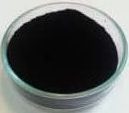
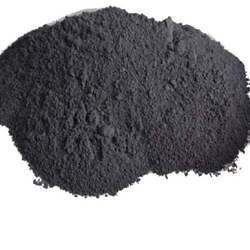
Advance Your Research with High-Purity Fullerenes
Ready to explore the potential of fullerene technology in your own work? Contact us for quotes, custom requirements, or technical questions about our range of fullerene products.