
An Introduction to Fullerene Safety in Research
Fullerenes, the unique carbon allotropes shaped like hollow spheres, ellipsoids, or tubes, have captured the imagination of the scientific community since their discovery. With their remarkable electronic and physical properties, materials like Fullerene C60 and C70 are at the forefront of nanotechnology innovation. In India, a nation rapidly expanding its footprint in high-tech R&D and manufacturing, the potential applications of fullerenes—from advanced drug delivery systems to next-generation solar cells—are immense. However, with great potential comes great responsibility.
As we venture deeper into the nano-realm, understanding the health and safety implications of these materials is not just a regulatory hurdle; it's a scientific and ethical imperative. The very properties that make fullerenes so attractive—their small size, large surface area, and high reactivity—also raise valid questions about their interaction with biological systems. This guide is specifically tailored for Indian researchers, lab technicians, and industry professionals, providing a comprehensive overview of fullerene safety, an analysis of fullerenes toxicity, and a discussion on the potential fullerene health effects. Our goal is to empower the Indian research community to innovate boldly while prioritizing safety and sustainability in fullerene nanotechnology research.
Understanding Fullerene Toxicity: A Multifaceted Issue
The discourse on fullerenes toxicity is complex and nuanced. It's not a simple "toxic" or "non-toxic" label. Instead, the biological impact of fullerenes is determined by a combination of factors, making a detailed analysis essential for anyone working with these nanomaterials.
1. The Role of Solubility and Aggregation
Pristine fullerenes are inherently hydrophobic, meaning they do not dissolve well in water. In aqueous biological environments, they tend to clump together to form aggregates. These aggregates can induce oxidative stress by generating reactive oxygen species (ROS), such as superoxide radicals, particularly under UV or visible light. This photo-induced toxicity is a primary mechanism behind potential cellular damage, including lipid peroxidation and mitochondrial dysfunction. For researchers, this means that the dispersion state of fullerenes in an experimental medium is a critical variable.
2. Functionalization: The Key to Modulating Toxicity
The surface of a fullerene molecule is a canvas for chemical modification. Functionalization—the process of attaching other chemical groups to the fullerene cage—dramatically alters its properties, including its safety profile. By adding hydrophilic groups (e.g., hydroxyl [-OH] groups to create fullerol, or carboxyl [-COOH] groups), scientists can create water-soluble fullerene derivatives. These derivatives often exhibit drastically reduced toxicity. In fact, some water-soluble fullerenes have been shown to act as potent antioxidants, scavenging free radicals and protecting cells from oxidative damage. This dual nature is a cornerstone of fullerene research, where the same carbon cage can be tuned to be either a source of or a solution to oxidative stress.
3. Dosage, Concentration, and Route of Exposure
As with any substance, the dose makes the poison. Studies on fullerene health effects have shown a clear dose-dependent relationship. Low concentrations may have negligible effects, while high concentrations are more likely to elicit a toxic response. Furthermore, the route of exposure matters significantly. In a research or industrial setting, the most likely routes of accidental exposure are inhalation of aerosolized powders and dermal (skin) contact. Inhalation can pose risks to the respiratory system, while the ability of fullerenes to penetrate the skin is still a subject of active research, though it appears limited for intact skin. Understanding these routes is fundamental to designing effective safety protocols.
Fullerene Applications: Opportunities for Indian Innovation
The unique fullerene properties open up a vast landscape of applications. For India, with its focus on "Make in India" and developing indigenous technology, these materials present significant opportunities across various sectors.
Biomedicine and Drug Delivery
The hollow cage of fullerenes makes them ideal candidates for encapsulating drug molecules. Functionalized, non-toxic fullerenes can act as carriers to deliver therapeutic agents directly to targeted cells, such as cancer cells, minimizing side effects. Their antioxidant properties are also being explored for treating neurodegenerative diseases. This aligns perfectly with India's burgeoning pharmaceutical and biotech industries.
Advanced Materials & Composites
Incorporating fullerenes into polymers and other materials can create composites with superior strength, thermal stability, and electrical conductivity. These advanced materials are in high demand in India's aerospace, automotive, and defense sectors for creating lightweight, high-performance components.
Renewable Energy
Fullerenes are excellent electron acceptors, a critical property for organic photovoltaics (OPVs) or solar cells. As India aggressively pursues its renewable energy targets, R&D in fullerene-based OPVs could lead to more efficient, flexible, and cost-effective solar energy solutions, a key area of fullerene market trends.
High-Performance Cosmetics
The antioxidant properties of certain fullerene derivatives have led to their inclusion in high-end cosmetic products. They are used to combat skin aging by neutralizing free radicals caused by UV exposure and pollution. This niche but growing market is another avenue for Indian chemical and cosmetic industries.
Lab Safety Protocols for Handling Fullerenes
Given the potential risks, establishing and adhering to strict safety protocols is non-negotiable. Here are best practices for researchers and labs in India working with fullerenes, especially in powder form.
- Use Engineering Controls: Always handle dry fullerene powders inside a fume hood, a glove box, or a similar ventilated enclosure to prevent inhalation of airborne particles.
- Wear Personal Protective Equipment (PPE): Standard PPE should include nitrile gloves, a lab coat, and chemical safety goggles with side shields. For tasks with a high risk of aerosolization, a properly fitted respirator (e.g., N95 or higher) should be considered.
- Practice Good Housekeeping: Clean work surfaces with a damp cloth after use to collect any spilled powder. Avoid dry sweeping, which can stir particles into the air. All waste, including contaminated gloves and wipes, should be treated as chemical waste.
- Follow Material Safety Data Sheet (MSDS) Guidelines: Always consult the MSDS provided by fullerene suppliers like Reinste and Hiyka. It contains vital information on handling, storage, and emergency procedures.
- Waste Disposal: Dispose of fullerene waste according to your institution's hazardous waste protocols. Do not pour fullerene solutions or powders down the drain or mix them with general waste.
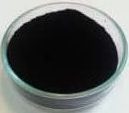
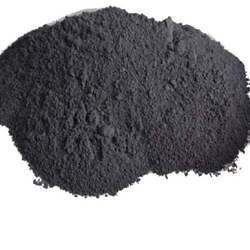
Explore Our Fullerene Products
High-purity fullerenes are the foundation of groundbreaking research. Find the right materials for your application from our curated selection.
Frequently Asked Questions
Not inherently. The toxicity of fullerenes largely depends on their functionalization, concentration, and the biological system they interact with. Pristine fullerenes are hydrophobic and can generate reactive oxygen species (ROS), which may lead to cellular damage. However, water-soluble derivatives (like fullerols) often exhibit significantly lower toxicity and can even have antioxidant properties.
The primary risks are inhalation and dermal exposure. Fine fullerene powders can become airborne and, if inhaled, may cause respiratory irritation or long-term damage. It is crucial to handle them in a well-ventilated area, preferably within a fume hood or glove box, and to wear appropriate personal protective equipment (PPE), including gloves, safety goggles, and a lab coat.
Surface modification, or functionalization, is key to altering fullerene properties, including safety. Adding hydrophilic groups (like -OH in fullerols) makes them water-soluble, reducing their tendency to aggregate and often mitigating their toxicity. This is a critical strategy for their safe application in biomedical fields.
Fullerene waste should be treated as chemical waste. It should not be disposed of down the drain or in regular trash. Follow your institution's specific guidelines for nanomaterial waste disposal, which typically involves collecting the waste in sealed, clearly labeled containers for incineration by a specialized waste management service.
Ready to Advance Your Research?
Whether you need high-purity fullerenes for your next experiment or expert advice on material selection, we are here to help. Contact our team to get the materials and support you need to succeed.
Contact Us