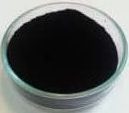
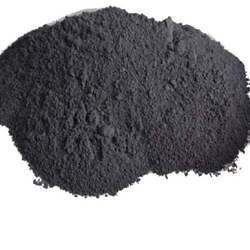
Introduction: The Dawn of the Fullerene Era in Indian R&D
In the ever-evolving landscape of materials science, few discoveries have sparked as much excitement and potential as fullerenes. These unique carbon molecules, shaped like microscopic soccer balls, are at the forefront of a technological revolution. For India, a nation rapidly advancing in scientific research and industrial innovation, fullerene research represents a golden opportunity. From developing next-generation solar cells to pioneering new medical treatments, the applications of fullerenes are vast and transformative. This article delves into the world of fullerenes, exploring their properties, applications, and the burgeoning opportunities they present for Indian researchers, scientists, and industries, with a special focus on their role in renewable energy devices.
The journey of fullerenes, from their theoretical conception to their synthesis and application, is a testament to human curiosity. Their exceptional electronic properties, such as high electron affinity and mobility, make them ideal candidates for use as electron acceptors in organic photovoltaic (OPV) devices. As India pushes towards its ambitious renewable energy targets, research into materials like fullerene derivatives is not just academic—it's a national imperative. Understanding fullerene properties and mastering fullerene chemistry are key to unlocking this potential and establishing India as a leader in sustainable technology.
Why Should Indian Researchers Focus on Fullerenes?
For professionals in India's R&D sector, engaging with fullerene research offers a multitude of strategic advantages. It's a field ripe with discovery and innovation, providing a direct pathway to impactful, real-world solutions.
- Unparalleled Electronic Properties: Fullerenes are exceptional electron acceptors, a critical property for creating efficient organic solar cells and electronic components. Research in this area can lead to significant breakthroughs in energy conversion and storage.
- Versatile Chemical Functionalization: The surface of a fullerene molecule can be modified with various functional groups. This "functionalization" allows scientists to fine-tune its properties (like solubility and electronic levels), tailoring fullerene derivatives for specific applications, from drug delivery systems to high-performance lubricants.
- Contribution to National Goals: With government initiatives like "Make in India" and a strong focus on renewable energy, research on materials like fullerenes directly aligns with national priorities. Securing patents and developing indigenous technology in this domain can have significant economic and strategic benefits.
- Interdisciplinary Collaboration: Fullerene research is inherently interdisciplinary, bridging physics, chemistry, materials science, and engineering. This fosters a collaborative research environment, essential for tackling complex scientific challenges.
- High-Impact Publications: As a cutting-edge field, research on fullerene applications and synthesis often leads to publications in high-impact journals, enhancing the profile of individual researchers and their institutions on the global stage.
Key Applications: Where Fullerenes are Making an Impact
The unique structure of fullerenes unlocks a wide array of practical applications across various industries. Here are some of the most promising areas where fullerene research is driving innovation.

Renewable Energy: Organic Photovoltaics (OPVs)
This is arguably the most significant application. In OPVs, fullerenes and their derivatives (like PCBM) act as powerful n-type semiconductors. They efficiently accept and transport electrons generated when light hits the device's active layer, a crucial step in converting sunlight into electricity. Research into new fullerene derivatives is key to boosting the efficiency and stability of these next-gen solar cells.

Biomedicine and Pharmaceuticals
The hollow cage structure of fullerenes makes them ideal for drug delivery systems, where they can encapsulate therapeutic agents. Their antioxidant properties are also being explored for treating neurodegenerative diseases. Furthermore, photosensitized fullerene derivatives are being investigated for photodynamic therapy to target and destroy cancer cells.

High-Performance Cosmetics
Due to their ability to scavenge free radicals, fullerenes are being incorporated into high-end cosmetic products. They help protect the skin from damage caused by UV radiation and environmental pollutants, positioning "fullerene-infused" skincare as a premium category in the beauty market.

Advanced Electronics and Sensors
The semiconducting properties of fullerenes make them suitable for use in transistors, sensors, and other electronic components. Their sensitivity to certain molecules allows for the development of highly specific chemical sensors, an area of great interest for industrial and environmental monitoring in India.
Opportunities & Market Trends for Fullerenes in India
The Indian market for advanced materials is on an upward trajectory, and fullerenes are poised to be a significant part of this growth. The convergence of government policy, industrial demand, and academic prowess creates a fertile ground for fullerene research for renewable energy devices. The National Solar Mission, for instance, creates immense demand for more efficient and cost-effective photovoltaic technologies. Indian institutions can lead the way by developing and patenting novel OPV architectures using locally synthesized or sourced fullerene derivatives.
Furthermore, the fullerene market trends indicate a growing demand beyond just solar energy. The rise of the Indian pharmaceutical and cosmetics industries opens new commercialization avenues. For researchers, this means that fundamental work on fullerene synthesis and understanding fullerene chemistry can translate directly into valuable intellectual property. Collaborations between academic labs and private sector companies are crucial to bridge the gap from lab-scale discovery to industrial-scale production. As awareness of nanotubes and fullerenes grows, so will the investment in the infrastructure needed to support this advanced materials ecosystem.
Frequently Asked Questions (FAQ)
Fullerenes are a unique class of carbon allotropes, molecules composed entirely of carbon, that form hollow spheres, ellipsoids, or tubes. The most famous member is Buckminsterfullerene (C60), which resembles a soccer ball. Their unique structure gives them extraordinary electronic and physical properties, making them a focal point of nanotechnology and materials science research.
Fullerene safety is an active area of research. While pure fullerenes are generally considered to have low toxicity, their properties can change when functionalized into derivatives. As with any nanomaterial, researchers in India and globally are advised to follow standard laboratory safety protocols, including using personal protective equipment (PPE) like gloves and masks, and working in well-ventilated areas to minimize inhalation or skin contact.
The primary difference lies in their structure and the number of carbon atoms. C60 has 60 carbon atoms arranged in a highly symmetrical spherical shape. C70 has 70 carbon atoms and a more elongated, rugby ball-like shape. This structural difference leads to variations in their electronic properties, solubility, and performance in specific applications like organic photovoltaics, where C70 can sometimes offer broader light absorption.
Fullerene synthesis is typically achieved through methods like the carbon arc-discharge method, where a high-current arc between two graphite electrodes in an inert atmosphere produces a soot rich in fullerenes. Other methods include laser ablation of graphite and chemical vapor deposition (CVD). The raw soot then undergoes a complex process of solvent extraction and chromatography to separate different fullerene molecules like C60 and C70.