
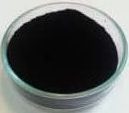
Fullerene Research in India: A Comprehensive Guide
An in-depth look at the synthesis, unique properties, and groundbreaking applications of fullerenes, tailored for Indian researchers and industry leaders.
Explore NowAn Introduction to the 'Buckyball' Revolution
In the vast and intricate world of nanotechnology, few discoveries have sparked as much excitement and possibility as that of the fullerenes. These unique carbon allotropes, most famously represented by the C60 molecule or "buckyball," are hollow spheres, ellipsoids, or tubes composed entirely of carbon atoms. Their discovery in 1985 opened a new chapter in materials science, one that India's burgeoning R&D sector is eagerly helping to write. For Indian researchers and professionals, understanding the nuances of **fullerene research** is no longer a niche interest but a critical step towards pioneering next-generation technologies.
From advanced drug delivery systems to high-efficiency solar cells, the potential **fullerenes applications** are as diverse as they are transformative. The unique **fullerene properties**, such as exceptional electron affinity, high strength, and antioxidant capabilities, make them a material of choice for solving some of the most pressing challenges in medicine, electronics, and energy. This guide delves into the core aspects of fullerene science, focusing on the Indian context. We will explore **fullerene synthesis** techniques, navigate the market to find reliable **fullerene suppliers**, and analyze the research landscape to provide a holistic view for scientists and innovators across the nation.
Why Should Indian Researchers Focus on Fullerenes?
-
Unparalleled Electronic Properties
Fullerenes are excellent electron acceptors, making them fundamental components in organic photovoltaics (OPVs) and perovskite solar cells, a key area for India's renewable energy goals.
-
Biomedical Breakthroughs
Their hollow cage structure is perfect for encapsulating drug molecules, enabling targeted delivery. Furthermore, their potent antioxidant properties are being explored for neuroprotective drugs and in **fullerene cosmetics** to combat aging.
-
Advanced Materials & Lubricants
The inherent strength and stability of fullerenes make them ideal additives for creating high-performance composites and super-lubricants, directly benefiting India's manufacturing and automotive industries.
-
Catalysis and Water Purification
Functionalized fullerenes can act as catalysts in chemical reactions and have shown promise in developing next-generation membranes for water purification, addressing critical environmental challenges.
Key Industry Applications of Fullerenes
Renewable Energy
The primary use of fullerenes in this sector is as n-type semiconductors in organic solar cells. Their ability to accept and transport electrons efficiently is crucial for charge separation at the donor-acceptor interface, directly impacting the power conversion efficiency of solar devices. Ongoing **fullerene research** aims to create derivatives that can absorb more light and further boost performance.
Medicine & Pharmaceuticals
The **fullerene benefits** in medicine are vast. They are being investigated as MRI contrast agents, for photodynamic therapy to destroy cancer cells, and as antiviral agents. Their most explored role is in drug delivery, where the fullerene cage protects the drug until it reaches its target, reducing side effects and increasing efficacy. The study of **fullerene toxicity** is paramount here to ensure biocompatibility.
Cosmetics and Personal Care
Fullerenes are powerful "radical sponges," meaning they can neutralize free radicals that cause skin aging. This has led to their inclusion in high-end anti-aging creams and serums. The field of **fullerene cosmetics** is growing, with research focusing on creating water-soluble derivatives (like fullerols) that can be easily incorporated into formulations.
Industrial Lubricants & Polymers
When added to oils and greases, fullerene nanoparticles act like molecular ball bearings, drastically reducing friction and wear. This extends the life of machinery and improves efficiency. In polymers, they act as reinforcing agents, creating composites that are lighter, stronger, and more durable than traditional materials.
Fullerene Market in India: Trends and Opportunities
The **fullerene market** in India is at a promising inflection point. Driven by the "Make in India" initiative and a growing focus on indigenous R&D, the demand for advanced materials is soaring. For researchers, this translates into increased funding opportunities and a more robust ecosystem for **fullerene nanotechnology**. However, challenges remain. The primary hurdle is often the **fullerene research cost for researchers**, which includes acquiring high-purity materials. Establishing connections with reliable **fullerene suppliers** who can provide quality-assured products at competitive prices is crucial for sustaining research momentum.
A key trend is the shift from fundamental **fullerene properties** research to applied science. Institutions are now focusing on creating tangible products, particularly in the solar energy and biomedical fields. The government's push for electric vehicles and renewable energy infrastructure provides a direct incentive for developing fullerene-based technologies. Furthermore, India's strong pharmaceutical industry is well-positioned to leverage the unique **fullerenes applications** in drug delivery and diagnostics. As local **fullerene synthesis** capabilities improve, reducing reliance on imports, we can expect a significant reduction in costs and a surge in innovation across the country.
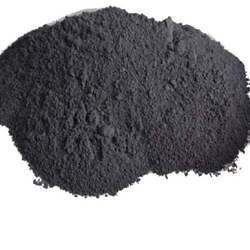
Featured Fullerene Products for Your Research
Frequently Asked Questions
What is the primary challenge in fullerene synthesis for Indian labs?
The primary challenges in **fullerene synthesis** are achieving high purity and yield, which requires sophisticated equipment like carbon-arc discharge reactors. The cost of this equipment and the subsequent purification processes (like HPLC) can be significant barriers for many research labs in India.
Are fullerenes toxic? What should researchers know?
The **fullerene toxicity** is a complex topic. Pristine fullerenes (like C60) have low toxicity, but their derivatives or functionalized versions can exhibit different biological interactions. Researchers must handle them with standard laboratory safety protocols, especially when aerosolized or in nanoparticle form, and consider the specific toxicology of any modified fullerene they synthesize or use.
How can Indian researchers find reliable fullerene suppliers?
Finding reliable **fullerene suppliers** involves looking for companies with documented quality control, high purity levels (e.g., 99.5%+), and clear characterization data (like HPLC, TGA, and spectroscopic analysis). Platforms like Hiyka and Reinste are dedicated to connecting Indian researchers with vetted suppliers of high-purity nanomaterials, including various grades of fullerenes.
What are the most promising fullerene applications in the Indian context?
In India, the most promising **fullerenes applications** lie in organic photovoltaics for renewable energy, advanced drug delivery systems to tackle health challenges, high-performance lubricants for the industrial sector, and potent antioxidants for the burgeoning cosmetics and wellness market. **Fullerene nanotechnology** offers innovative solutions in all these key areas.
Ready to Advance Your Fullerene Research?
Whether you need high-purity fullerenes for your next experiment or expert consultation on their applications, our team is here to help.
Contact Our Experts