
An Introduction to Fullerene: The Molecule of the Future
In the ever-evolving landscape of materials science, few discoveries have sparked as much excitement and potential as the fullerene. First identified in 1985, this unique class of carbon allotropes, shaped like hollow spheres, ellipsoids, or tubes, has captivated the scientific community. The most iconic member, Buckminsterfullerene (C60), with its soccer-ball structure of 20 hexagons and 12 pentagons, has become a symbol of modern nanotechnology. For Indian researchers and professionals, understanding the profound implications of **fullerene properties** is not just an academic exercise; it's a gateway to pioneering innovations across multiple industries.
The significance of fullerenes lies in their extraordinary characteristics. They possess immense tensile strength, are chemically robust, and exhibit fascinating electronic and optical properties. This unique combination makes them a cornerstone of **fullerene nanotechnology**, a field promising to reshape our world. From enhancing the efficiency of solar panels to delivering drugs with pinpoint accuracy, the potential **fullerene applications** are as vast as they are transformative. As India continues to strengthen its position as a global R&D hub, the exploration of fullerenes presents a monumental opportunity to drive indigenous innovation, create high-value products, and solve some of the most pressing challenges in technology and healthcare. This article delves into the latest **fullerene research updates**, explores their current and future applications, and analyzes the promising **fullerene future prospects** within the Indian context.
Why Should Indian Researchers Focus on Fullerenes?
-
Pioneering Novel Solutions: Fullerenes offer a unique platform for developing next-generation materials and devices. Research in this area places you at the forefront of innovation in fields like renewable energy and advanced electronics.
-
High-Impact Publications: The field of fullerene research is dynamic and continues to yield groundbreaking discoveries, increasing the potential for high-impact publications and international collaborations.
-
Solving National Challenges: From water purification to advanced medical treatments, **fullerene uses in medicine** and environmental science can directly address key challenges outlined in India's national missions.
-
Attracting Funding & Grants: Given the strategic importance of nanotechnology, research proposals focused on fullerene applications are well-positioned to attract government and private sector funding.
Key Fullerene Applications Across Industries
Medicine & Healthcare
Fullerenes are biocompatible and powerful antioxidants. Their unique cage-like structure is ideal for encapsulating drug molecules, enabling targeted delivery to cancer cells. This minimizes side effects and enhances treatment efficacy. The study of **fullerene uses in medicine** is a rapidly growing field, with promising results in neuroprotection and anti-aging therapies.
Electronics & Photovoltaics
With their excellent electron-accepting ability, fullerenes are crucial components in organic solar cells, significantly boosting their efficiency. The field of **fullerene in electronics** also includes their use in transistors and sensors, paving the way for flexible, lightweight, and high-performance electronic devices.
Advanced Materials & Lubricants
When added to polymers, fullerenes can dramatically increase their strength and thermal stability. They also function as superior lubricants, reducing friction and wear in machinery. This application is critical for the aerospace and automotive industries, where durability and performance are paramount.
Fullerene Research Scope and Future in India
The **fullerene market trend** in India is poised for significant growth, driven by both government initiatives like 'Make in India' and a burgeoning private sector R&D ecosystem. The focus is shifting from fundamental research to applied science, aiming to commercialize fullerene-based technologies. One of the most critical areas is improving **fullerene synthesis** techniques. Current methods can be expensive, limiting widespread adoption. Indian scientists are at the forefront of developing scalable, low-cost synthesis routes, which could unlock the market and make fullerene applications economically viable for a wide range of industries.
Another key trend is the investigation into the **fullerene environmental impact**. While fullerenes themselves are stable, understanding their lifecycle and interaction with ecosystems is crucial for responsible development. Research in this domain ensures that the growth of fullerene nanotechnology is sustainable. The **future prospects** are particularly bright in the energy sector. As India aggressively pursues its renewable energy targets, the role of fullerenes in creating more efficient and affordable solar cells cannot be overstated. These **fullerene research updates** highlight a clear trajectory: India is not just a consumer but an active contributor to the global fullerene revolution, with immense scope for researchers and entrepreneurs to make a lasting impact.
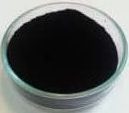
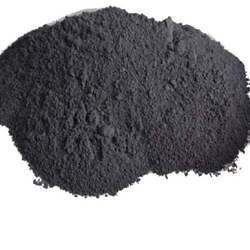
Related Fullerene Products for Your Research

Frequently Asked Questions
What are fullerenes and why are they important?
Fullerenes are a unique class of carbon allotropes, molecules composed entirely of carbon, in the form of a hollow sphere, ellipsoid, or tube. The most famous is Buckminsterfullerene (C60). Their importance stems from their exceptional properties like high strength, electron affinity, and superconductivity, which opens doors for revolutionary fullerene applications in medicine, electronics, and materials science.
What are the latest fullerene research updates in India?
Indian research institutions are increasingly focusing on fullerene synthesis for cost-effective production, their use in organic photovoltaics, and biomedical applications like drug delivery and neuroprotection. There's a significant push towards integrating fullerene nanotechnology into existing industries to enhance material properties and create novel products.
How are fullerenes used in medicine?
In medicine, fullerenes are explored as powerful antioxidants, delivery vehicles for drugs and genes, and as agents in photodynamic therapy for cancer treatment. Their ability to scavenge free radicals makes them promising candidates for treating neurodegenerative diseases. Fullerol, a water-soluble derivative, is particularly studied for these biomedical uses.
What are the future prospects of fullerenes?
The future prospects for fullerenes are vast. They are expected to play a crucial role in developing next-generation solar cells, high-performance lubricants, advanced catalysts, and more potent medical therapies. As fullerene synthesis methods become more efficient and cost-effective, their market trend points towards wider adoption in commercial and industrial sectors globally and in India.
Ready to Advance Your Research?
Access high-purity fullerene products for your experiments and innovations. Explore our catalog to find the materials you need to push the boundaries of science.
Browse Fullerene Products