An Introduction to the Fullerene Revolution in India
In the ever-evolving landscape of materials science, few discoveries have captured the imagination of researchers quite like the fullerene. First identified in 1985, these unique carbon nanoforms, particularly the iconic C60 "buckyball," heralded a new era in nanotechnology. For India, a nation rapidly ascending as a global hub for research and development, the study of fullerenes represents a monumental opportunity. The unique fullerene properties—such as high electron affinity, superconductivity when doped, and immense strength—make them a cornerstone for innovation across diverse sectors, from medicine to renewable energy.
This article delves into the heart of fullerene research advancements, with a special focus on their relevance to Indian R&D and industry. We will explore the sophisticated methods of fullerene synthesis, the burgeoning field of fullerene applications, and the exciting market trends that are shaping the future. For Indian researchers and professionals, understanding the trajectory of fullerene nanotechnology is not just an academic exercise; it's about seizing a competitive edge, driving indigenous innovation, and contributing to the next wave of technological breakthroughs. As we navigate through the latest developments, it becomes clear that these fascinating carbon cages are more than just a scientific curiosity; they are a key to unlocking a future of unprecedented technological potential.
Why Indian Researchers Should Focus on Fullerenes
Vast Application Potential
Fullerenes are not confined to a single domain. Their applications span from creating high-efficiency organic photovoltaics and powerful antioxidants in cosmetics to developing novel drug delivery systems and robust industrial catalysts. This versatility opens up interdisciplinary research opportunities.
Alignment with National Missions
Research into fullerene and nanomaterials aligns perfectly with key Indian government initiatives like 'Make in India' and the National Mission on Nanoscience and Nanotechnology (Nano Mission). This synergy increases the likelihood of securing research grants and funding.
High-Impact Publication Opportunities
The field of carbon nanoforms is highly active. Breakthroughs in fullerene synthesis or discovering novel properties can lead to publications in high-impact journals, enhancing a researcher's profile and contributing significantly to the scientific community.
Developing Indigenous Technology
By focusing on cost-effective and scalable synthesis methods, Indian researchers can help reduce reliance on imported advanced materials. This builds self-sufficiency and positions India as a key player in the global fullerene market trends.
Groundbreaking Fullerene Applications Across Industries
Biomedicine and Drug Delivery
The hollow cage structure of fullerenes makes them ideal candidates for encapsulating drug molecules. Functionalized fullerenes are being explored for targeted cancer therapy, as potent antiviral agents, and as neuroprotective antioxidants. Their ability to cross cell membranes opens new frontiers in diagnostics and therapeutics.
Organic Electronics & Photovoltaics
As exceptional electron acceptors, fullerenes are a critical component in organic solar cells (OSCs). They facilitate efficient charge separation and transport, boosting the power conversion efficiency of flexible, lightweight solar panels. This is a key area of fullerene nanotechnology research in India's push for renewable energy.
Advanced Materials & Lubricants
Incorporating fullerenes into polymers can dramatically enhance their mechanical strength, thermal stability, and electrical conductivity. Furthermore, their spherical shape allows them to act as nanoscale ball bearings, making them superior additives in high-performance lubricants and coatings.
High-Performance Cosmetics
Fullerenes are powerful "radical sponges," capable of neutralizing free radicals that cause skin aging. This potent antioxidant property has led to their inclusion in high-end anti-aging creams and serums, protecting the skin from UV radiation and environmental pollutants.
Industrial Catalysis
Fullerenes and their derivatives serve as highly effective catalysts and catalyst supports. Their large surface area and unique electronic structure can accelerate chemical reactions, improve yields, and enhance selectivity in various industrial processes, including petroleum refining and fine chemical synthesis.
Energy Storage Systems
In the quest for better batteries and supercapacitors, fullerenes are being investigated as advanced electrode materials. Their ability to intercalate ions and their high surface area can lead to devices with higher energy density, faster charging rates, and longer cycle life, crucial for electric vehicles and grid storage.
Fullerene Research Trends & Opportunities in India
The Push for Cost-Effective Fullerene Synthesis
A significant barrier to the widespread commercialization of fullerenes has been the high cost of production. Recognizing this, Indian research institutions are actively pursuing novel and economical methods for fullerene synthesis. While traditional methods like carbon arc discharge are being optimized for higher yields, there's a growing interest in bottom-up chemical synthesis and green chemistry approaches. For instance, researchers at the Indian Institute of Science (IISc), Bangalore, are exploring hydrocarbon combustion methods that could potentially be scaled for industrial production. These fullerene research trends latest developments are crucial for making fullerene-based technologies economically viable for the Indian market, from solar cells to biomedical devices.
Focus on Solar Energy Applications
With India's ambitious solar energy targets, fullerene nanotechnology plays a vital role. The development of fullerene-based organic photovoltaics (OPVs) is a hotbed of research. Institutes like the National Physical Laboratory (NPL) in New Delhi and various IITs are working on improving the stability and efficiency of OPVs using novel fullerene derivatives. These fullerene applications are particularly attractive for India due to the potential for producing low-cost, flexible, and lightweight solar panels suitable for a variety of surfaces, contributing directly to the nation's renewable energy goals.
Biomedical and Fullerene Toxicity Studies
The biomedical potential of fullerenes is immense, but so are the questions surrounding their long-term biological impact. Consequently, fullerene toxicity studies have become a critical research area in India. Institutions like the CSIR-Indian Institute of Toxicology Research (IITR) are at the forefront of evaluating the biocompatibility and potential risks of various functionalized fullerenes. This parallel research is essential for establishing regulatory frameworks and ensuring the safe development of fullerene-based drugs and diagnostic tools. These studies are integral to the broader field of fullerene and nanomaterials safety, building public trust and paving the way for clinical trials.
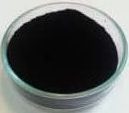
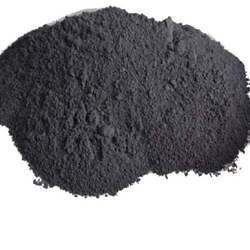
High-Purity Fullerenes for Your Research
Frequently Asked Questions
Fullerenes are a unique class of carbon allotropes, forming hollow spheres, ellipsoids, or tubes. The most famous is Buckminsterfullerene (C60), resembling a soccer ball. Their importance lies in their exceptional electronic, mechanical, and optical properties, making them pivotal in nanotechnology, medicine, and materials science.
Recent advancements focus on improving yield, purity, and cost-effectiveness. Techniques like arc discharge and laser ablation are being refined, while newer methods like chemical vapor deposition (CVD) and 'green' synthesis routes using natural precursors are gaining traction in the Indian research community for their scalability and environmental benefits.
The toxicity of fullerenes is an active area of research. While pristine fullerenes have low toxicity, their derivatives and functionalized forms can exhibit different biological interactions. Factors like size, solubility, and surface chemistry are crucial. Researchers in India are contributing to global fullerene toxicity studies to establish clear safety protocols for their application, especially in biomedicine.
India is making significant strides in fullerene research, with major institutions like the IISc, IITs, and CSIR labs leading the way. The focus is on cost-effective synthesis, developing novel applications in solar energy and drug delivery, and exploring the properties of new carbon nanoforms. Government funding and international collaborations are further boosting India's role in the global fullerene market.
Ready to Advance Your Research?
Access high-purity fullerenes and other advanced nanomaterials to power your next breakthrough. Contact our experts to discuss your specific research needs.
Contact Us