Forging the Future: The Imperative of Fullerene Research in India
In the dynamic world of materials science, few discoveries have sparked as much excitement and potential as fullerenes. These unique carbon allotropes, with their iconic soccer-ball shape (C60) and related structures, are at the heart of a nanotech revolution. For India, a nation rapidly ascending as a global hub for R&D, the field of fullerene research represents a monumental opportunity. It's a domain where scientific curiosity meets industrial application, promising breakthroughs in medicine, electronics, energy, and beyond.
However, the path from laboratory discovery to market-ready technology is complex and resource-intensive. This is where the power of fullerene research collaboration becomes not just beneficial, but essential. By pooling resources, expertise, and infrastructure, Indian universities, research institutions, and private sector companies can accelerate innovation, overcome challenges, and compete on a global scale. This guide is designed for the Indian researcher, scientist, and innovator, providing a comprehensive overview of the benefits, applications, and strategic pathways for building successful collaborations in the fascinating world of fullerenes.
Why Collaborate? The Tangible Benefits for Researchers
Engaging in collaborative research on fullerenes and their derivatives offers a multitude of advantages that can significantly amplify the impact of your work. Here’s a breakdown of the key benefits:
- Access to Advanced Infrastructure: High-end equipment for synthesizing, purifying, and characterizing fullerenes (like mass spectrometers and electron microscopes) is expensive. Collaboration provides shared access to these critical tools, leveling the playing field for institutions of all sizes.
- Synergy of Expertise: A successful project in applications of fullerenes often requires a multidisciplinary team of chemists, physicists, biologists, and engineers. Collaboration brings these diverse skill sets together, fostering a holistic approach to problem-solving.
- Enhanced Funding Opportunities: Collaborative proposals are often viewed more favorably by funding agencies in India (like DST, CSIR, DBT) and internationally. They demonstrate a stronger potential for significant outcomes and efficient use of resources.
- Accelerated Innovation Cycle: By dividing tasks and sharing findings in real-time, research teams can move from hypothesis to publication or patent much faster. This is crucial in a competitive field like fullerenes in nanotechnology.
- Increased Research Visibility and Impact: Co-authored publications in high-impact journals, joint patents, and presentations at international conferences elevate the profile of all collaborating partners, attracting more talent and funding.
- Risk Mitigation: Research is inherently uncertain. Sharing the scientific and financial risks of ambitious projects makes it more feasible to explore high-reward, breakthrough ideas that a single institution might shy away from.
From Lab to Life: Key Applications of Fullerenes
Biomedicine & Drug Delivery
The hollow cage-like structure of fullerenes makes them ideal candidates for drug delivery systems. They can encapsulate therapeutic agents and transport them to specific sites in the body. Furthermore, fullerene derivatives like fullerols are powerful antioxidants, showing promise in treating neurodegenerative diseases and reducing inflammation.
Organic Photovoltaics (OPVs)
Fullerenes are exceptional electron acceptors. This property is heavily exploited in organic solar cells, where they are blended with polymer donors to create the active layer that converts sunlight into electricity. Research in this area is vital for developing low-cost, flexible solar panels.
High-Performance Materials
When incorporated into polymers and other materials, fullerenes can dramatically enhance their strength, durability, and thermal stability without adding significant weight. This has applications in creating advanced composites for the aerospace, automotive, and sporting goods industries.
Industrial Catalysis
The unique electronic properties and high surface area of fullerenes and their supported catalysts make them effective in various chemical reactions. They can improve reaction efficiency and selectivity, leading to more sustainable and cost-effective industrial processes, a key area for fullerene production research.
Cosmeceuticals
Due to their potent antioxidant capabilities (mopping up free radicals that cause skin aging), fullerenes are being incorporated into high-end anti-aging creams and serums. This represents a growing niche in the fullerenes market with direct consumer impact.
Advanced Sensors
Fullerene-based materials can be used to create highly sensitive sensors for detecting various gases and biomolecules. This is critical for environmental monitoring, industrial safety, and medical diagnostics, showcasing the versatility of fullerenes in nanotechnology.
The Indian Horizon: Trends & Opportunities
The landscape for fullerene research collaboration opportunities in India is more fertile than ever. Several key trends are converging to create a perfect storm for innovation. The Indian government's "Make in India" and "National Mission on Nanoscience and Nanotechnology" initiatives provide strong policy and funding support. There is a growing demand from domestic industries, particularly in pharmaceuticals, renewable energy, and specialty chemicals, for novel materials that can provide a competitive edge.
Academic and research institutions like the IITs, IISc Bangalore, and various CSIR labs are producing world-class talent and research in materials science. A strategic fullerene research collaboration can bridge the gap between this academic prowess and industrial needs. For example, a university specializing in the synthesis of novel fullerene derivatives could partner with a pharmaceutical company to test their efficacy in new drug formulations. Similarly, a materials science department could collaborate with an energy startup to improve the efficiency of their organic solar cells. The key is to build ecosystems of innovation, where knowledge and resources flow freely between partners, driving the entire fullerenes market forward.
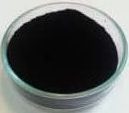
High-Purity Fullerenes for Your Research

Frequently Asked Questions
Fullerenes are a class of carbon allotropes, molecules composed entirely of carbon, forming a hollow sphere, ellipsoid, or tube. Their unique structure gives them extraordinary properties, making them a cornerstone of nanotechnology. They are used in drug delivery systems, powerful antioxidants, catalysts, and in the development of novel electronic components and high-strength, lightweight materials.
Collaboration in fullerene research offers access to shared funding, state-of-the-art equipment, and diverse expertise. It accelerates innovation, enhances the quality and impact of research through peer review and validation, and opens up new networking and career opportunities. For Indian researchers, it's a pathway to global recognition and contributing to high-impact, commercially viable technologies.
Start by identifying potential partners with complementary expertise through scientific databases and attending conferences. Develop a clear proposal outlining project goals, resource requirements, and expected outcomes. Seek funding from national agencies like DST or SERB, or international bodies. Finally, establish a formal collaboration agreement. Organizations like Reinste can also help facilitate connections with suppliers and other research teams.
Fullerene derivatives, which are chemically modified fullerenes, have a wide range of applications. Water-soluble derivatives like fullerols are being explored for their antioxidant properties in medicine. Other derivatives are used to improve the efficiency of organic solar cells, create advanced lubricants, and develop sensitive biosensors for detecting diseases.
Ready to Pioneer the Next Breakthrough?
Whether you are seeking high-purity materials for your next experiment or looking for the right partner to launch a collaborative project, we are here to help. Let's advance the future of materials science in India together.
Connect With Us