Introduction: The Fullerene Revolution in Indian R&D
In the expansive realm of nanotechnology, few discoveries have sparked as much excitement and possibility as that of the fullerene. These perfectly symmetrical, cage-like carbon molecules, famously including the C60 "buckyball," have transitioned from a scientific curiosity to a cornerstone of modern materials science. For India, a nation rapidly ascending as a global hub for research and development, understanding the nuances of fullerene production and its vast applications is not just an academic exercise—it's a strategic imperative. The unique fullerene properties, such as high electron affinity, exceptional strength, and novel electronic behaviour, position them as a transformative material across sectors ranging from medicine to renewable energy.
This guide is tailored for Indian researchers, scientists, and industry professionals who are at the forefront of innovation. We will navigate the complexities of fullerene production, shed light on the most promising fullerene applications, and analyze the current fullerene market trends both globally and within India. As the demand for advanced materials grows, reliable fullerene suppliers become critical partners in the innovation lifecycle. This article aims to be your comprehensive resource, bridging the gap between foundational knowledge and practical application, and empowering you to harness the immense potential of fullerene technology.
Why Researchers are Turning to Fullerenes: Key Benefits
The scientific community's fascination with fullerenes is rooted in a unique combination of physical and chemical properties. For researchers in India and worldwide, these benefits unlock new avenues for discovery and product development.
- Exceptional Antioxidant Activity: Fullerenes are potent radical scavengers. Their ability to absorb and neutralize dozens of free radicals without being consumed makes them a primary subject of fullerene research in cosmetics and fullerenes in medicine, particularly for combating oxidative stress-related conditions.
- Superior Electron Acceptors: With their high electron affinity, fullerenes are excellent n-type semiconductors. This property is the driving force behind their use in organic photovoltaics (OPVs), where they facilitate efficient charge separation and transport, a key focus in renewable energy research.
- Photodynamic Properties: Upon exposure to light, fullerenes can generate reactive oxygen species (ROS). This characteristic is being heavily explored in photodynamic therapy (PDT) for cancer treatment, where they can be used to selectively destroy tumor cells.
- Biocompatibility and Drug Delivery: The hollow cage structure of fullerenes can be used to encapsulate drug molecules. By functionalizing their surface, scientists can create highly targeted drug delivery systems that transport therapeutic agents directly to diseased cells, minimizing side effects. This is a significant area of fullerene technology innovations.
- Enhanced Material Strength: When incorporated into polymers and other materials, fullerenes can significantly enhance their mechanical properties, including hardness and resistance to wear. This has major implications for creating next-generation composites and industrial lubricants.
Real-World Fullerene Applications: From Lab to Industry
The theoretical benefits of fullerenes are translating into tangible, high-impact applications across various industries. Here’s a look at where these carbon allotropes are making a significant difference.
Fullerenes in Medicine
As powerful antioxidants and drug delivery vehicles, fullerenes are revolutionizing medical treatments. Key uses include MRI contrast agents, targeted cancer therapies, and neuroprotective agents for diseases like Alzheimer's and Parkinson's. The search for effective fullerene uses in this field is a top priority.
Organic Electronics & Solar Cells
The role of fullerenes as electron acceptors is central to the performance of organic photovoltaic (OPV) cells. This fullerene application is critical for developing flexible, lightweight, and low-cost solar panels, contributing to India's renewable energy goals.
High-Performance Materials
Incorporating fullerenes into polymers creates composites with superior strength and thermal stability. This includes everything from durable coatings and industrial lubricants to lightweight components for the aerospace and automotive industries, often involving fullerene nanotubes.
Opportunities and Fullerene Market Trends in India
The global fullerene market is on an upward trajectory, and India is poised to play a significant role. Several key trends and opportunities are shaping the domestic landscape. A primary driver is the increasing investment in nanotechnology by both government and private sectors, spurred by initiatives like "Make in India." This has led to a growing number of research institutions and startups focusing on nanomaterials, subsequently boosting the demand for high-purity fullerenes.
One of the most prominent fullerene market trends is the push for cost-effective fullerene production methods. While arc-discharge remains a common technique, research into scalable chemical vapor deposition (CVD) and other synthesis routes is intensifying. Lowering the cost of production will be the single most important factor in unlocking widespread industrial adoption. Consequently, the number of fullerene production companies in India is expected to rise, moving from primarily supplying research chemicals to industrial-scale manufacturing.
In terms of applications, the biomedical and pharmaceutical sectors represent the largest growth opportunity in India. With a robust pharmaceutical industry, the potential for using fullerenes in novel drug delivery systems and advanced diagnostics is immense. Furthermore, as India expands its renewable energy capacity, the demand for more efficient materials for solar cells will drive fullerene research in the energy sector. Finding reliable fullerene suppliers who can provide consistent quality and technical support is crucial for companies looking to innovate in these areas.
Featured Fullerene Products
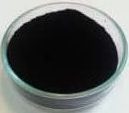
Fullerene C70, 99+%
View Product
Fullerene C60, 99+%
View Product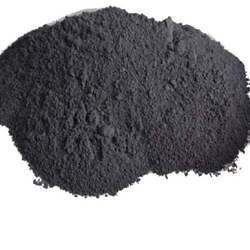
Fullerene Extract
View Product
Fullerol
View ProductFrequently Asked Questions
The most common methods for fullerene production include the carbon arc-discharge method, laser ablation of graphite, and chemical vapor deposition (CVD). The arc-discharge method is widely used for large-scale production, where a high-current discharge between two graphite electrodes in an inert atmosphere produces a soot rich in fullerenes like C60 and C70.
Yes, the ecosystem of fullerene production companies in India is growing. While large-scale manufacturing is still maturing, several specialized chemical suppliers and research-focused companies offer high-purity fullerenes for R&D purposes. Reinste and Hiyka are prominent suppliers providing a range of fullerene products to researchers and industries across India.
In medicine, fullerenes show immense promise as powerful antioxidants, in targeted drug delivery systems, as contrast agents for MRIs, and in photodynamic therapy for cancer treatment. Their unique cage-like structure allows them to encapsulate drug molecules, and their ability to neutralize free radicals is a key area of fullerene research.
Fullerene nanotubes, more commonly known as carbon nanotubes (CNTs), are cylindrical structures made of rolled-up sheets of graphene. While standard fullerenes are spherical (like C60), nanotubes are long, thin cylinders. This structural difference gives them exceptional tensile strength and unique electrical properties, making them ideal for applications in reinforced composites, nanoelectronics, and sensors.
Key market trends include a rising demand in the electronics sector for organic photovoltaics, a growing interest in biomedical applications, and innovations in creating water-soluble fullerene derivatives (like fullerol) for easier use. The market is also seeing a push towards more cost-effective and scalable fullerene production methods to make these advanced materials accessible to a wider range of industries.