An Introduction to Fullerene Coatings
In the dynamic world of nanotechnology, few discoveries have sparked as much excitement as the fullerene. These unique carbon allotropes, composed of atoms connected in a series of five- and six-membered rings, form hollow spheres often referred to as "buckyballs." While their discovery earned a Nobel Prize, their true potential is now being unlocked in practical, high-impact fields. One of the most promising frontiers is the development of fullerene coatings.
For researchers and industries in India, a nation rapidly advancing its technological and manufacturing capabilities, understanding fullerenes properties is crucial. These coatings are not just incremental improvements; they represent a paradigm shift in surface engineering. By applying a nanoscale layer of fullerenes to materials, we can drastically enhance their performance, creating surfaces that are harder, more resistant to wear, and incredibly slick. This article delves into the science, applications, and immense opportunities that nanoparticles fullerenes present for Indian innovation.
Why Researchers are Turning to Fullerenes
For the Indian R&D community, fullerenes offer a powerful toolkit to solve complex material science challenges. Key benefits include:
- Exceptional Hardness and Wear Resistance: Fullerene-based coatings can exhibit hardness comparable to or even exceeding that of diamond-like carbon (DLC), drastically extending the lifespan of tools and components.
- Superior Lubricity: The spherical shape of fullerene molecules allows them to act as nanoscale ball bearings, reducing friction to near-zero levels in some applications. This is a critical factor in developing energy-efficient machinery.
- High Thermal and Chemical Stability: Fullerenes maintain their structural integrity at high temperatures and in corrosive environments, making them suitable for extreme industrial applications where traditional lubricants and coatings fail.
- Antioxidant Properties: A unique feature of fullerenes in nanotechnology is their ability to scavenge free radicals. This makes them excellent as an additive in coatings to prevent oxidative degradation of the underlying material.
- Tunable Electronic Properties: The electronic behavior of fullerenes can be modified, opening doors for advanced applications in sensors, photovoltaics, and next-generation electronics.
Industrial Applications: Where Fullerene Coatings Shine
The translation of fullerene research into practical use is accelerating. Here are some key sectors in India that stand to benefit immensely from fullerene coating technology:
Automotive & Aerospace
In engines and turbines, reducing friction is key to improving fuel efficiency and reducing wear. Fullerene coatings on pistons, bearings, and gears can lead to longer engine life and lower emissions. Their lightweight and high-strength nature is also invaluable for aerospace components.
Cutting Tools and Manufacturing
The fullerene coating for industrial applications extends the life of cutting tools, drills, and molds used in manufacturing. This enhanced durability means fewer replacements, less downtime, and higher precision in production lines—a direct boost to the 'Make in India' initiative.
Biomedical Devices
The biocompatibility and anti-friction properties of fullerenes make them ideal for coating medical implants like artificial joints. This can reduce wear and tear within the body, leading to longer-lasting and more reliable medical devices. Their antioxidant properties also help in reducing inflammation around implant sites.
Electronics and Solar Cells
Fullerenes are excellent electron acceptors, a critical property for organic photovoltaics (OPVs). Fullerene-based layers in solar cells can significantly improve the efficiency of converting sunlight into electricity. This aligns perfectly with India's ambitious renewable energy goals.
The Indian Context: Trends and Opportunities
The fullerenes market analysis points towards significant growth, and India is uniquely positioned to capitalize on this trend. The government's focus on domestic manufacturing, coupled with a strong base of scientific talent, creates a fertile ground for adopting advanced material technologies. The synthesis and production of fullerenes are becoming more scalable, bringing costs down and making widespread industrial use more feasible.
Indian industries, from automotive giants to precision engineering SMEs, face constant pressure to improve product quality and lifespan. Fullerene coatings offer a direct solution. For instance, in India's vast coastal regions, corrosion is a major issue for infrastructure and machinery. Anti-corrosive coatings enhanced with fullerenes could provide a long-term, cost-effective solution. Similarly, in heavy industries, the reduction of wear and tear through superior lubrication translates directly to operational savings and enhanced competitiveness. The journey from laboratory fullerene research to a commercially viable fullerene coating for industrial applications is well underway, and Indian innovators are poised to be at the forefront.
Frequently Asked Questions
Fullerene coatings are advanced surface layers created using fullerenes, which are carbon molecules shaped like hollow spheres (like C60 or 'buckyballs'). These coatings impart exceptional properties like extreme hardness, low friction, and high resistance to wear and corrosion, making them ideal for protecting and enhancing industrial materials.
Fullerene coatings can be applied through various advanced techniques, including Physical Vapor Deposition (PVD), Chemical Vapor Deposition (CVD), and plasma spray methods. The chosen method depends on the substrate material and the desired coating thickness and properties. These processes ensure a strong, uniform bond between the fullerene layer and the surface.
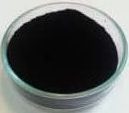
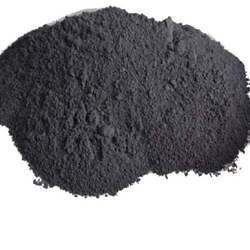
Yes, high-purity fullerenes like C60 and C70, as well as fullerene mixtures and derivatives, are available in India through specialized suppliers like Hiyka. This accessibility allows Indian researchers and industries to pioneer new applications and integrate fullerene technology into their R&D and production processes.
Fullerene coatings offer a unique combination of properties. They can be harder and more wear-resistant than many DLC coatings and operate at higher temperatures than Teflon. Their spherical molecular structure acts like nanoscale ball bearings, providing exceptionally low friction. Furthermore, their antioxidant properties protect underlying materials from degradation, an advantage not inherent in many traditional coatings.
Related Fullerene Products
Ready to Advance Your Research?
Explore our comprehensive range of high-purity fullerenes and nanomaterials to power your next innovation. Contact our experts for technical specifications and collaboration opportunities.
Contact Us