An Introduction to Fullerenes: The Carbon Allotrope Shaping Modern R&D
In the expansive universe of materials science, few discoveries have sparked as much excitement and potential as that of fullerenes. These unique molecules, a distinct allotrope of carbon alongside diamond and graphite, are cage-like structures composed entirely of carbon atoms, most famously forming a sphere reminiscent of a soccer ball (Buckminsterfullerene or C60). Since their discovery in 1985, which earned a Nobel Prize in Chemistry, fullerenes have transitioned from a scientific curiosity to a cornerstone of modern nanotechnology. Their exceptional properties—high electron affinity, superb strength, and unique electronic and optical characteristics—have opened doors to unprecedented technological advancements.
For the vibrant research and development community in India, fullerenes represent a frontier of immense opportunity. As India continues to cement its position as a global hub for scientific innovation and high-tech manufacturing, understanding and harnessing fullerene technology advancements is not just beneficial but essential. From developing next-generation pharmaceuticals and creating ultra-efficient solar cells to engineering stronger, lighter composite materials, the scope of fullerene applications aligns perfectly with national initiatives like 'Make in India' and 'Digital India'. This article delves into the multifaceted world of fullerenes, exploring their synthesis, properties, and the burgeoning commercial uses that are poised to revolutionize Indian industries and research laboratories.
Why Researchers Should Be Excited: The Benefits of Fullerene Technology
- Unmatched Versatility: Fullerenes can be functionalized—meaning other chemical groups can be attached to their surface—to tailor their properties for specific tasks, from targeted drug delivery to creating custom sensors.
- Superior Electronic Properties: As powerful electron acceptors, they are invaluable in organic electronics, particularly in the development of organic photovoltaic (OPV) devices, enhancing power conversion efficiency.
- Exceptional Strength-to-Weight Ratio: When incorporated into polymers, fullerenes create nanocomposites that are significantly stronger and more durable without adding substantial weight, a critical factor in aerospace and automotive industries.
- Biocompatibility and Antioxidant Power: Functionalized fullerenes exhibit low toxicity and can act as potent antioxidants, scavenging harmful free radicals. This has led to promising fullerene research in neuroprotective therapies, anti-aging cosmetics, and advanced medical imaging.
Key Industrial and Commercial Uses of Fullerenes
Medicine and Pharmaceuticals
The hollow structure of fullerenes makes them perfect nano-carriers for targeted drug delivery. They can encapsulate therapeutic agents and deliver them directly to cancer cells, minimizing side effects. Their antioxidant properties are also being explored for treating neurodegenerative diseases like Parkinson's and Alzheimer's. The fullerene applications in MRI contrast agents are improving diagnostic imaging significantly.
Electronics and Solar Energy
In the realm of fullerene in nanotechnology, their role in organic photovoltaics (OPVs) is paramount. Fullerenes act as excellent n-type semiconductors, facilitating efficient charge separation and transport in solar cells. This leads to flexible, lightweight, and potentially low-cost solar panels, a technology of immense interest for India's renewable energy goals.
Advanced Materials & Lubricants
The robustness of the fullerene molecule contributes to the creation of super-strong, lightweight composite materials. These are finding fullerene commercial uses in everything from sporting goods (tennis rackets, bicycle frames) to aerospace components. Furthermore, fullerenes act as superior high-performance lubricants, reducing friction and wear in demanding mechanical systems.
Cosmetics and Skincare
The potent free-radical scavenging ability of fullerenes has been harnessed by the cosmetics industry. They are incorporated into high-end creams and serums to protect the skin from oxidative stress caused by UV radiation and pollution, thus combating signs of aging. This application showcases a direct-to-consumer commercial use of advanced nanotechnology.
Fullerene Synthesis Methods
Scalable production is key to commercial viability. The primary industrial technique is the Krätschmer-Huffman arc-discharge method, which vaporizes graphite rods to produce fullerene-rich soot. Researchers are continuously refining these fullerene synthesis methods and exploring alternatives like chemical vapor deposition (CVD) to improve yield, purity, and cost-effectiveness, making fullerene technology more accessible.
Environmental Remediation
The unique surface chemistry of fullerenes allows them to act as catalysts and adsorbents for environmental applications. Research is underway to use fullerene-based materials for water purification, removing persistent organic pollutants and heavy metals. This addresses critical environmental challenges and highlights the positive fullerene environmental impact when applied correctly.
Opportunities and Market Trends in India
The trajectory for fullerene market trends in India is pointing sharply upwards. The Indian government's focus on nanotechnology through initiatives like the Nano Mission has created a fertile ground for advanced materials research. Academic institutions and private R&D labs across the country are intensifying their fullerene research for advanced technologies. There is a growing demand for high-purity fullerenes (like C60 and C70) from sectors involved in renewable energy, healthcare, and specialty chemicals.
A key opportunity lies in developing indigenous, cost-effective fullerene synthesis methods. Reducing reliance on imports by establishing local production facilities would not only lower costs for researchers but also position India as a key player in the global supply chain. The burgeoning electric vehicle (EV) market in India also presents a potential application area, where fullerenes could be used to enhance battery performance and create lightweight structural components. As awareness of fullerene properties grows, we anticipate a surge in patents and commercial products originating from Indian innovation.
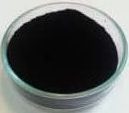
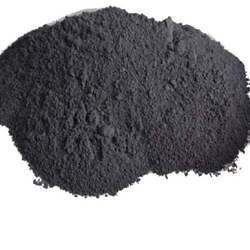
Related Fullerene Products for Your Research
Frequently Asked Questions
Ready to Advance Your Research with High-Purity Fullerenes?
Empower your next breakthrough. Explore our comprehensive catalog of fullerenes and other advanced materials to find exactly what you need for your project.
Browse Our Products