
An Introduction to the 'Buckyball' Revolution
In the world of nanotechnology, few discoveries have sparked as much excitement and possibility as that of the fullerene. First identified in 1985, this unique family of carbon allotropes, famously shaped like a soccer ball (a truncated icosahedron), earned the nickname "buckyballs" after architect Buckminster Fuller, who designed geodesic domes with similar structures. Composed of carbon atoms connected by single and double bonds, fullerenes like C60 and C70 possess a hollow cage-like structure that bestows upon them extraordinary chemical and physical properties.
For India, a nation rapidly advancing its technological and industrial capabilities, the potential of fullerenes is immense. From enhancing solar energy capture to creating next-generation medicines and ultra-strong materials, fullerene applications are poised to drive innovation across critical sectors. This guide delves into the remarkable world of fullerenes, exploring their properties, benefits, and the transformative impact they are beginning to have on Indian research and development (R&D) and industry. Understanding these versatile nanomaterials is key to unlocking a new wave of indigenous technological advancement.
Key Benefits for Indian Researchers and Innovators
The unique fullerene properties offer significant advantages for the Indian scientific community, fostering innovation and competitive advantage.
-
Pioneering Novel Research
Fullerenes open up new frontiers in materials science, chemistry, and physics, allowing Indian researchers to conduct groundbreaking studies and publish high-impact papers.
-
Developing Intellectual Property
The wide range of fullerene uses provides ample opportunity for creating patents in areas like drug delivery systems, advanced sensors, and energy storage devices, boosting India's IP portfolio.
-
Solving National Challenges
Fullerene-based technologies can address critical Indian challenges, including the need for efficient renewable energy (solar cells), clean water (purification filters), and affordable healthcare (diagnostics and therapies).
Unlocking a World of Fullerene Applications
Revolutionizing Organic Electronics
The most significant impact of fullerenes to date has been in electronics. Their exceptional ability to accept and transport electrons makes them ideal components in organic electronic devices. In fullerenes in electronics, they are primarily used as n-type semiconductors in organic photovoltaics (OPVs), where they help separate charge and generate electricity from sunlight. This application is crucial for developing low-cost, flexible solar panels, a key goal for India's renewable energy mission. Furthermore, their properties are being harnessed in Organic Light-Emitting Diodes (OLEDs) for displays and in Organic Field-Effect Transistors (OFETs) for next-generation sensors and circuits.
Advancements in Medicine & Pharmaceuticals
The unique cage structure of fullerenes makes them perfect candidates for advanced medical applications. They can encapsulate drug molecules, enabling targeted delivery directly to diseased cells like tumors, which minimizes side effects. Their potent antioxidant properties—hundreds of times more effective than conventional antioxidants—are being explored to combat cellular damage linked to aging and neurodegenerative diseases. This area of fullerene research holds promise for developing novel treatments for conditions prevalent in India.
High-Performance Materials & Coatings
When incorporated into polymers, fullerenes can dramatically enhance their strength, durability, and thermal stability. These nanocomposites are finding uses in the automotive and aerospace industries for creating lightweight yet robust components. Fullerene molecules also act as superior lubricants, reducing friction and wear in machinery. Their use in scratch-resistant coatings for lenses and surfaces is another growing commercial application, demonstrating the versatility of fullerene uses in industrial settings.
Energy Storage and Conversion
Beyond photovoltaics, fullerenes are being investigated for their potential in energy storage. Their high surface area and unique electronic structure make them suitable as electrode materials in next-generation batteries and supercapacitors, potentially leading to devices with higher energy density and faster charging times. Additionally, fullerene research is exploring their ability to store hydrogen safely and efficiently, a critical step towards realizing a hydrogen-based economy.
The Fullerene Market in India: Trends and Opportunities
The global fullerene market is expanding, and India is strategically positioned to become a key player. The 'Make in India' initiative and increased government funding for nanotechnology research are creating a fertile ground for domestic fullerene production and application development. Indian research institutions and startups are actively engaged in exploring fullerene applications in organic electronics, aiming to reduce reliance on imported solar technologies. There is a growing demand from sectors like pharmaceuticals, cosmetics (due to antioxidant properties), and specialty chemicals.
A key debate in nanomaterials is nanotubes vs fullerenes. While carbon nanotubes are prized for their strength and conductivity in structural applications, fullerenes excel in electronic and biomedical roles due to their defined molecular structure and electron-accepting nature. For India, the focus isn't on choosing one over the other, but on leveraging both for their unique strengths. As domestic manufacturing capabilities improve and the cost of production decreases, we can expect to see fullerenes integrated into a wider array of commercial products, driving economic growth and technological self-sufficiency.
Frequently Asked Questions
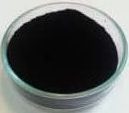
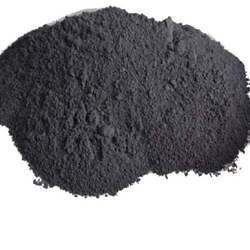
Explore Our Fullerene Products

Ready to Advance Your Research?
Harness the power of fullerenes in your next project. Contact our team to get expert advice and access high-purity materials for your research and development needs.
Contact Us Now