
Introduction: The Next Leap in Electronic Materials
In the fast-paced world of electronics, the demand for materials that are smaller, smarter, and more efficient is relentless. From flexible screens to highly sensitive biosensors, the underlying materials define the boundaries of innovation. For decades, rubber has been prized for its elasticity and insulating properties. However, by infusing it with the right additives, this common polymer can be transformed into a conductive powerhouse. This is where nano carbon black enters the scene, marking a paradigm shift in material science.
For Indian researchers and industries, particularly within the 'Make in India' and 'Digital India' frameworks, mastering advanced materials like conductive rubber is not just an opportunity—it's a necessity. Traditional conductive fillers often require high loading levels, which can compromise the mechanical properties of the rubber, making it brittle and difficult to process. Nano carbon black, a highly engineered nano rubber additive, overcomes these challenges. Its unique nanoscale structure allows for exceptional electronic conductivity at significantly lower concentrations, preserving the rubber's inherent flexibility and strength. This guide delves into the science, applications, and immense potential of carbon black rubber composites, offering a roadmap for Indian innovators to lead the charge in next-generation electronics.
Why Nano Carbon Black is a Game-Changer for Researchers
For researchers in material science and electronics, nano carbon black isn't just another additive; it's a tool that opens up a new realm of possibilities. Its adoption provides a significant competitive edge in developing novel applications. Here are the key benefits:
- Superior Conductivity at Low Loading: The most significant advantage is the ability to create a robust conductive network within the rubber matrix with minimal material. This efficiency in achieving high rubber conductivity is crucial for applications where maintaining the host material's properties (like elasticity and low weight) is paramount.
- Enhanced Mechanical Properties: Unlike conventional fillers that can make materials brittle, nano carbon black acts as a reinforcing agent. It improves tensile strength, tear resistance, and overall device durability, leading to longer-lasting and more reliable electronic components.
- Tunable Electrical Resistance: Researchers can precisely control the electrical properties of the composite—from anti-static to semi-conductive to fully conductive—by adjusting the concentration of the nano electronic additive. This tunability is vital for creating custom solutions for specific electronic needs, such as Electrostatic Discharge (ESD) protection or EMI/RFI shielding.
- Improved Thermal Stability and Dispersion: The high surface area of nanoparticles facilitates better heat dissipation, enhancing the thermal stability of the electronic components. Furthermore, advanced grades of nano carbon black offer excellent dispersion, preventing agglomeration and ensuring uniform electronic conductivity throughout the material.
Transforming Industries: Key Applications
The unique properties of nano carbon black-infused conductive rubber are paving the way for innovation across multiple high-growth sectors in India and globally.
Consumer & Wearable Electronics
In smartphones, tablets, and wearables, conductive rubber is used for gaskets that provide EMI/RFI shielding, preventing interference between sensitive components. It's also used for flexible connectors, buttons, and anti-static casings, improving both performance and device durability.
Automotive and Electric Vehicles (EVs)
The automotive industry relies on carbon black rubber for a variety of components, including conductive fuel hoses to prevent static discharge, seals for electronic housings, and pressure-sensitive sensors. In EVs, it's critical for battery pack seals and thermal management pads.
Aerospace & Defense
In avionics and defense systems, materials must perform under extreme conditions. Conductive rubber made with nano carbon black is used for anti-static seals in fuel systems, shielding for sensitive electronics against electromagnetic pulses (EMP), and in stealth applications due to its radar-absorbent properties.
Medical Technology
The demand for flexible and wearable medical sensors is booming. This nano rubber additive enables the creation of biocompatible, flexible electrodes for ECG/EEG monitoring, pressure sensors for smart insoles, and conductive pads for TENS (Transcutaneous Electrical Nerve Stimulation) devices.
The Indian Advantage: Opportunities & Trends
India's journey towards becoming a global manufacturing hub, powered by initiatives like 'Make in India' and the Production Linked Incentive (PLI) scheme for electronics, creates a fertile ground for advanced material innovation. The domestic demand for high-performance electronics, electric vehicles, and renewable energy solutions is surging. This is where locally focused R&D on materials like nano carbon black for conductive rubber in electronic devices becomes a strategic imperative.
Indian research institutions and private labs are increasingly focusing on nanomaterials to solve indigenous problems. By developing expertise in creating specialized carbon black rubber compounds, India can reduce its reliance on imported materials, lower production costs, and build a self-reliant ecosystem. The application of this technology in smart textiles, agricultural sensors, and affordable medical devices aligns perfectly with national priorities. Sourcing high-quality raw materials like nano carbon black from reliable domestic suppliers is the first step in empowering researchers to turn laboratory breakthroughs into commercially viable products that can compete on a global scale. The focus is shifting from being consumers of technology to creators of it, and advanced materials are the very foundation of this transition.
Frequently Asked Questions (FAQ)
Nano carbon black is a form of carbon black with particle sizes in the nanometer range (typically 10-100 nm). Its incredibly small particle size and high surface area-to-volume ratio give it unique properties, such as high electrical conductivity and reinforcement capabilities, making it a superior nano rubber additive compared to conventional carbon black.
Nano carbon black particles form a conductive network within the rubber matrix at much lower concentrations than larger particles. This phenomenon, known as percolation, allows electrons to flow easily, transforming the insulating rubber into a conductive or semi-conductive material. This is key to achieving target rubber conductivity for electronic applications.
Yes, when encapsulated within a polymer matrix like rubber, nano carbon black is stable and safe. The nanoparticles are bound within the material, preventing exposure. Manufacturers adhere to strict safety protocols during production to manage handling of the raw nano electronic additive.
The primary advantages include achieving high electronic conductivity with a smaller amount of filler, which preserves the rubber's flexibility and mechanical properties. It also offers better dispersion, leading to more consistent and reliable performance, enhancing overall device durability.
Indian researchers and manufacturers can source high-purity nano carbon black and other nanomaterials from specialized suppliers like Hiyka. They provide research-grade materials essential for developing advanced conductive rubber compounds for the next generation of electronic devices.
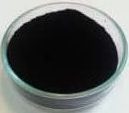
Recommended Products for Your Research
To kickstart your innovation in conductive materials, here are some relevant high-purity products available for researchers in India.


Ready to Innovate?
Take the next step in your research and development. Explore our range of high-purity nano carbon black products and partner with us to create the future of electronics.
View All Carbon Black ProductsContact Us for More Information
Have a specific requirement or need technical assistance for your project? Fill out the form below, and our experts will get in touch with you.