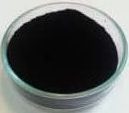
The Future is Flexible: Nano Carbon Black in Conductive Inks

Unlocking the next wave of innovation in printed and flexible electronics with high-performance, cost-effective nano carbon black solutions for Indian researchers.

Explore the Innovation

Introduction: The Dawn of a Flexible Electronics Era in India

Imagine a world where your newspaper updates with live news, your food packaging alerts you to spoilage, and your t-shirt monitors your vital signs. This isn't science fiction; it's the tangible future being built with flexible and printed electronics. At the heart of this revolution lies a critical component: the conductive ink. For decades, the high cost of traditional conductive materials like silver and copper has been a significant barrier to mass adoption. But a humble yet powerful material is changing the game: nano carbon black.

For researchers and industries across India, from the bustling tech hubs of Bengaluru to the advanced material labs in Pune, the quest for innovative, scalable, and cost-effective solutions is paramount. As the "Make in India" initiative gains momentum, developing indigenous capabilities in advanced electronics is a national priority. Nano carbon black emerges as a champion material, offering a powerful alternative that balances performance with affordability. This blog delves into the transformative potential of nano carbon black for conductive inks, exploring why it is becoming the cornerstone of next-generation conductive printing and a critical focus for Indian R&D.

"The ability to print electronic circuits on flexible, low-cost substrates is not just an incremental improvement; it's a paradigm shift. Nano carbon black is the key enabler of this shift, democratizing the production of smart devices."

Why Researchers are Turning to Nano Carbon Black: Key Benefits

The scientific community's growing excitement for nano carbon black isn't unfounded. It offers a unique constellation of properties that make it an ideal ink enhancer and a superior flexible circuit additive. For researchers in materials science and electronics, these benefits translate into new possibilities and accelerated innovation cycles.

  • Exceptional Cost-Effectiveness: This is perhaps the most significant advantage. Nano carbon black is substantially cheaper than silver-based inks, drastically reducing the bill of materials for printed electronics. This opens the door for applications in disposable medical sensors, smart labels, and large-area flexible heaters where cost is a primary driver.
  • Superior Mechanical Flexibility and Durability: Unlike brittle metallic conductors, circuits printed with carbon black ink can withstand bending, stretching, and twisting. This inherent flexibility is crucial for wearable technology, foldable displays, and other applications requiring conformity to non-rigid surfaces. The strong adhesion of carbon black to various substrates like PET, paper, and textiles ensures long-term performance.
  • Tunable Electrical Properties: Researchers can precisely control the conductivity of the ink by adjusting the type, particle size, structure, and concentration of the nano carbon black. This allows for the creation of inks tailored for specific applications, from highly conductive tracks to resistive elements for sensors and heaters.
  • High Chemical and Thermal Stability: Carbon is an inherently stable material. Inks formulated with nano carbon black exhibit excellent resistance to environmental factors like humidity, oxidation, and temperature fluctuations, leading to more reliable and long-lasting electronic devices.
  • Processability and Scalability: Nano carbon black can be dispersed in a wide range of solvent and water-based systems, making it compatible with various printing techniques, including screen printing, inkjet printing, and flexography. This versatility allows for rapid prototyping in the lab and seamless scaling to industrial production.

From Lab to Life: Industry Applications in the Indian Context

The theoretical benefits of nano printed electronics are translating into tangible, high-impact applications. In India, where there's a huge market for affordable and accessible technology, these applications hold immense promise.

Wearable Health Sensors

Wearable Health Monitors

Printing flexible biosensors directly onto textiles or skin-adhesive patches. Nano carbon black's flexibility and biocompatibility are perfect for creating low-cost, disposable sensors to monitor ECG, glucose levels, or body temperature, addressing India's need for affordable healthcare solutions.

Smart Packaging

Smart Packaging & Logistics

Embedding printed RFID antennas or temperature sensors into packaging. Using conductive printing with carbon black ink can help track shipments, ensure cold-chain integrity for vaccines and food, and combat counterfeiting in the pharmaceutical industry—all major priorities for India.

Flexible Heaters

Flexible Heaters and Defoggers

Printing resistive heating elements on flexible substrates. Applications range from heated car seats and mirror defoggers in the automotive sector to therapeutic heat wraps and portable warming devices, leveraging the tunable resistivity of nano flexible additive inks.

Opportunities and Future Trends for Nano Carbon Black in India

The landscape for flexible electronics in India is ripe with opportunity. The convergence of government support, a burgeoning startup ecosystem, and strong academic research creates a fertile ground for innovation. The demand for conductive ink is projected to grow exponentially, and nano carbon black is positioned to capture a significant share of this market.

The "Make in India" and PLI Scheme Advantage

The Indian government's Production Linked Incentive (PLI) schemes for large-scale electronics manufacturing and the emphasis on self-reliance under "Make in India" are powerful catalysts. By developing and manufacturing carbon black ink and the resulting electronic products domestically, Indian companies can reduce import dependency, build a robust supply chain, and compete globally. Researchers at institutions like IITs and IISc are at the forefront, patenting new formulations and printing processes that leverage this flexible circuit additive.

Rise of IoT and Smart Devices

India is one of the fastest-growing markets for the Internet of Things (IoT). From smart agriculture sensors that monitor soil health to smart city infrastructure, the demand for countless low-cost, interconnected devices is exploding. Printed electronics using nano carbon black is the only viable technology to produce sensors and antennas at the scale and price point required for this IoT revolution. This is a clear and present opportunity for Indian researchers and entrepreneurs.

Sustainable Electronics (Green Tech)

As environmental concerns grow, so does the demand for sustainable technology. The development of water-based nano carbon black inks, which eliminate harmful volatile organic compounds (VOCs), aligns perfectly with this trend. Furthermore, printing electronics on recyclable paper or biodegradable substrates offers a green alternative to traditional, waste-generating PCB manufacturing. This focus on sustainability can be a unique selling proposition for Indian innovators in the global market.

Frequently Asked Questions (FAQ)

For researchers and engineers new to this exciting field, here are answers to some common questions about using nano carbon black for conductive inks in flexible electronics.

Nano carbon black's suitability comes from its unique combination of properties: high surface area-to-volume ratio, excellent electrical conductivity, and a robust structure. These nanoscale characteristics allow for the formation of dense, interconnected conductive networks within the ink formulation, even at low concentrations. This results in inks with stable conductivity, good printability, and mechanical flexibility, all at a lower cost compared to traditional materials like silver or copper.

While silver nanoparticles offer superior conductivity, nano carbon black provides a compelling balance of performance and cost-effectiveness. Silver is significantly more expensive, making it prohibitive for large-scale or disposable applications. Nano carbon black offers sufficient conductivity for many flexible electronics applications (like sensors and heating elements), superior chemical stability, and better flexibility and adhesion on various substrates. For high-frequency applications, silver is preferred, but for a vast range of printed electronics, nano carbon black is the more economical and durable choice.

The primary challenge is achieving a stable dispersion. Due to strong van der Waals forces, carbon nanoparticles tend to agglomerate (clump together). This can lead to nozzle clogging during printing and inconsistent electrical performance. Overcoming this requires careful selection of solvents, binders, and dispersing agents (surfactants) to ensure the nanoparticles remain separated and evenly distributed throughout the ink matrix. Another challenge is balancing the filler loading: too little results in poor conductivity, while too much can compromise the ink's viscosity and printability.

Nano carbon black itself is a stable and relatively inert material. Its environmental impact is often lower than that of heavy metals used in other electronic components. The overall 'green' credentials of the ink depend heavily on the other components, such as the solvents and binders used. There is a growing trend in India and globally towards developing water-based nano carbon black inks, which significantly reduce volatile organic compound (VOC) emissions, making them a more sustainable and environmentally friendly option for the future of printed electronics.

Ready to Pioneer the Future of Electronics?

Access high-purity nano carbon black and other advanced materials to fuel your research and development. Let's build the future of flexible electronics together.

Get High-Quality Carbon Black

Have Questions or a Specific Requirement?

Our team of material science experts is ready to assist you. Whether you need a custom formulation or bulk quantities for your industrial application, we're here to help.