
Pioneering the Next Wave of Electronics in India
The world of electronics is undergoing a paradigm shift. Rigid circuit boards and brittle components are making way for devices that can bend, stretch, and conform to any shape. This is the domain of flexible electronics, a field poised to redefine everything from wearable technology and medical devices to consumer gadgets and industrial sensors. At the heart of this revolution lies a quest for materials that are not only flexible but also highly conductive. For Indian researchers and industries, the answer may lie in a surprisingly potent and versatile material: nano carbon black.
For decades, carbon black has been a reliable additive in tires and plastics, known for its reinforcing properties. However, when engineered at the nanoscale, its capabilities expand dramatically. As a nano filler, it transforms from a simple pigment into a high-performance conductive material. This evolution is critical. As India pushes forward with initiatives like 'Make in India' and 'Digital India', the demand for advanced, cost-effective electronic components is skyrocketing. Nano carbon black, with its unique blend of electrical conductivity, mechanical robustness, and economic viability, stands out as a key enabler for this technological leap, offering a powerful alternative to more expensive materials like graphene or silver nanowires.
This article delves into the transformative power of nano carbon as a critical carbon additive for achieving superior electronic flexibility. We will explore its benefits for the research community, its diverse applications across industries, and the specific opportunities it presents for innovation within the Indian R&D ecosystem. The journey into the world of flexible circuits and enhanced electronics begins here.
Why Researchers are Turning to Nano Carbon Black
For scientists and engineers in materials science, nano carbon black offers a compelling set of advantages that accelerate research and development in flexible electronics.
-
Superior Electrical Conductivity at Low Loading Levels
Thanks to its high aspect ratio and structured particle morphology, nano carbon black forms an effective conductive network within a polymer matrix at much lower concentrations than conventional carbon black. This percolation threshold efficiency is a massive benefit, preserving the host material's flexibility and reducing overall cost.
-
Enhanced Mechanical Strength and Durability
Beyond its electrical properties, it acts as a powerful reinforcing nano filler. It improves the tensile strength, tear resistance, and overall durability of flexible substrates, ensuring that devices can withstand repeated bending and flexing without electrical or mechanical failure. This is crucial for creating reliable flexible circuits.
-
Cost-Effectiveness and Scalability
Compared to other nanomaterials like carbon nanotubes or graphene, nano carbon black offers a significantly more scalable and cost-effective route to producing conductive composites. This economic advantage makes it particularly attractive for commercial R&D and large-scale production, aligning perfectly with India's industrial goals.
-
Excellent Dispersion and Processing Compatibility
Modern surface treatment technologies allow for nano carbon black grades that disperse easily in various polymers and solvents. This simplifies the manufacturing process, ensuring uniform conductivity and repeatable results—a key factor for any serious research or industrial application aiming for electronic enhancement.
Real-World Applications: From Lab to Market
Wearable Health Monitors
Imagine smart textiles that monitor heart rate or flexible patches that track glucose levels. Nano carbon black is the ideal conductive material for creating the electrodes and sensors in these devices, offering the necessary electronic flexibility to move with the human body.
Foldable and Rollable Screens
The dream of a smartphone that folds into your pocket or a TV that rolls up like a poster depends on flexible circuits. Nano carbon black can be used in the conductive layers and electromagnetic shielding of these displays, ensuring performance doesn't degrade with flexing.
Intelligent Packaging Solutions
By integrating flexible electronic sensors made with nano carbon, packaging can monitor temperature, humidity, or freshness, providing valuable data for the supply chain. This application of nano technology is particularly relevant for India's vast agricultural and pharmaceutical sectors.
Conformable Energy Storage
Power sources for flexible devices must also be flexible. Nano carbon black serves as a critical carbon additive in the electrodes of flexible batteries and supercapacitors, improving charge capacity and cycle life while allowing the battery to bend and twist.
Advanced EMI Shielding
In densely packed electronics, preventing electromagnetic interference (EMI) is crucial. Composites filled with nano carbon black provide lightweight, flexible, and effective shielding solutions for sensitive components in aerospace, defense, and telecommunications.
Printable and Stretchable Sensors
The development of conductive inks using nano carbon black for flexible electronics allows for the low-cost printing of sensors and circuits onto various substrates. This opens up possibilities for disposable medical sensors, smart labels, and large-area tactile sensors.
The Indian Advantage: Trends and Opportunities
The landscape for flexible electronics in India is ripe with opportunity. The government's focus on domestic manufacturing and technological self-reliance creates a fertile ground for R&D in advanced materials. For Indian researchers, leveraging nano carbon black is not just about scientific discovery; it's about creating homegrown solutions for national challenges. The demand for low-cost medical diagnostics, affordable consumer electronics, and efficient energy devices aligns perfectly with the benefits offered by this versatile nano filler.
Furthermore, the synergy between India's established chemical industry and its burgeoning tech sector provides a unique advantage. The production and functionalization of carbon black can be scaled domestically, reducing reliance on imports and strengthening the local supply chain. Academic institutions and startups can collaborate to explore novel formulations of conductive inks and composites, patenting new technologies for electronic enhancement. The adoption of nano technology in this space is a direct pathway to developing intellectual property and establishing India as a leader in the next generation of electronics manufacturing.
Explore Relevant Materials

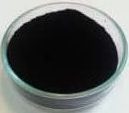

Frequently Asked Questions
Nano carbon black is an advanced form of carbon black with particle sizes in the nanometer range. This small particle size and high surface area provide superior electrical conductivity and mechanical reinforcement, making it an ideal nano filler for high-performance applications like flexible electronics.
When used as a carbon additive in polymer matrices, nano carbon black forms a conductive network that can withstand bending and stretching without breaking. This property imparts electronic flexibility to the material, allowing for the creation of flexible circuits and devices.
While it is an advanced material, nano carbon black is often more cost-effective than other conductive materials like silver or graphene for achieving similar properties. Its efficiency as a conductive material at low concentrations makes it an economically viable option for Indian researchers and startups.
As with any nanomaterial, it's crucial to handle nano carbon black in a well-ventilated area, preferably within a fume hood. Researchers should wear appropriate personal protective equipment (PPE), including gloves, safety goggles, and respiratory protection, to avoid inhalation or skin contact.
Ready to Innovate?
Advance your research in flexible electronics with high-purity nano carbon materials. Connect with us to get the right materials for your project.
Get in Touch