
The Unseen Hero: Enhancing LED Longevity with Advanced Materials
In the rapidly evolving world of electronics, Light Emitting Diodes (LEDs) represent a pinnacle of energy efficiency and durability. From illuminating our homes to powering the displays on our devices, their application is ubiquitous. However, the performance and lifespan of these powerful components hinge on a critical, often overlooked factor: thermal management. As LEDs operate, they generate significant heat, and if not dissipated effectively, this heat can degrade performance and lead to premature failure. This is where the science of materials, particularly thermal adhesives, plays a pivotal role.
For researchers and professionals in India's burgeoning electronics R&D and manufacturing sectors, the quest for better thermal management solutions is paramount. The answer lies in nanomaterials. By integrating nano carbon black as a key adhesive additive, we can create thermal adhesives with vastly superior conductivity. This innovation not only ensures the longevity and reliability of LED lighting but also opens doors for more compact and powerful electronic designs. This article delves into the science, benefits, and applications of using nano carbon black powder for thermal conductive adhesives in LED lighting, providing a roadmap for Indian innovators to lead the charge in this exciting field.
Key Benefits for Indian Researchers & Industry
Superior Thermal Conductivity
The primary advantage of using carbon black thermal additives is the dramatic increase in heat dissipation. The unique structure of nano carbon black creates efficient pathways for heat to travel away from the sensitive LED chip, preventing thermal degradation and extending the product's operational life.
Enhanced Mechanical Strength
Beyond thermal properties, nano carbon black acts as a reinforcing agent within the adhesive matrix. This adhesive enhancement results in a stronger, more durable bond that can withstand mechanical stress and thermal cycling, crucial for applications in automotive and industrial environments.
Tunable Electrical Properties
Researchers can precisely control the electrical conductivity of the thermal adhesive by adjusting the concentration and type of nano carbon black. This allows for the creation of formulations that are either electrically insulating (to prevent short circuits) or conductive (for applications requiring static dissipation).
Pathways for Innovation
Working with advanced lighting material like nano carbon black opens up new avenues for research. It allows for the development of next-generation composites and nano adhesive formulations, positioning Indian R&D at the forefront of the global electronics industry.
Diverse Applications Across Industries
The impact of nano carbon black-enhanced thermal adhesives extends far beyond general LED lighting. Its unique properties make it indispensable in a variety of high-performance applications.
High-Power LED Modules
For applications like stadium lighting, automotive headlights, and industrial high-bay lights, where heat density is extreme, adhesives with superior LED conductivity are non-negotiable.
Automotive Electronics
Used in Engine Control Units (ECUs), sensors, and in-cabin lighting systems to ensure reliability in harsh environments with significant temperature fluctuations and vibrations.
Consumer Electronics
Essential for heat dissipation in compact devices like smartphones, laptops, and gaming consoles, where performance is directly tied to thermal efficiency.
Power Electronics
In power inverters, converters, and supplies, thermal adhesive solutions ensure that critical components like IGBTs and MOSFETs operate within safe temperature limits.
Telecommunications
Critical for thermal management in 5G base stations and other network infrastructure where reliability and uptime are paramount.
Advanced R&D
Serves as a foundational material for developing next-gen thermal interface materials (TIMs), including pastes, pads, and phase-change materials for future technologies.
The Indian Advantage: Seizing Opportunities in Advanced Materials
India is at a critical juncture. With government initiatives like "Make in India" and the Production Linked Incentive (PLI) scheme for Large-Scale Electronics Manufacturing, the ecosystem for domestic R&D and production has never been more robust. The demand for high-performance LED lighting and other electronic components is skyrocketing, driven by urbanization, industrial growth, and consumer demand. This creates a massive opportunity for local innovation in ancillary industries, such as the development of advanced materials.
By focusing on specialized additives like nano carbon black, Indian companies and research institutions can reduce reliance on imports and create homegrown solutions tailored to local needs. Developing expertise in formulating high-performance thermal adhesives is not just about improving a single component; it's about building a self-reliant value chain for the entire electronics sector. This is a chance to move up from assembly to deep-tech manufacturing, creating intellectual property and establishing India as a leader in the field of advanced lighting material and electronic components.
Frequently Asked Questions
Nano carbon black is a form of carbon black with particle sizes in the nanometer range. Its unique properties, including high surface area and conductivity, make it an excellent additive for materials like thermal adhesives to enhance their performance.
Effective thermal management is crucial for LEDs because excess heat can degrade the LED chip, leading to decreased brightness, color shifts, and a significantly shorter lifespan. Thermal adhesives help dissipate this heat away from the sensitive components.
By incorporating nano carbon black into an adhesive matrix, a network of thermally conductive pathways is created. This network efficiently transfers heat, significantly boosting the adhesive's overall thermal conductivity and improving the reliability of the LED assembly.
Yes, depending on its grade and structure, nano carbon black can be electrically conductive. This property needs to be carefully managed in adhesive formulations to prevent short circuits, often by controlling the concentration and dispersion of the particles.
Indian researchers and manufacturers can source high-purity nano carbon black and other advanced materials from specialized suppliers like Hiyka, which cater to the R&D and industrial sectors in India, providing materials that meet stringent quality standards.
Related Products for Your Research

Conductive Carbon Black
View Product →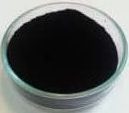
Carbon Black nanopowder (50g)
View Product →
Carbon Mesoporous Materials
View Product →
Carbon Black Powder
View Product →Ready to Innovate?
Take the next step in your research and development. Explore our range of high-purity nanomaterials or contact our experts for a consultation on your specific application needs.
Browse Carbon Black Products