An Introduction to High-Performance Lubrication
In the heart of India's burgeoning industrial landscape, from the automotive assembly lines in Chennai to the heavy machinery plants in Gujarat, a quiet revolution is underway. The pursuit of efficiency, longevity, and sustainability is driving innovation at a molecular level. At the forefront of this change is the science of tribology—the study of friction, wear, and lubrication. And the new hero in this field? Nano carbon lubricant additives.
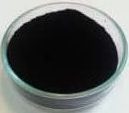
For decades, engineers and researchers have sought the perfect lubricant—a substance that can withstand extreme pressures, reduce energy loss from friction, and protect machinery from the relentless forces of wear and tear. Traditional lubricants have served us well, but as machines become more powerful and tolerances tighter, their limitations are becoming apparent. This is where nanotechnology, specifically the use of nano carbon black for high-performance lubricants, enters the picture. These are not just incremental improvements; they represent a paradigm shift in how we approach lubrication enhancement.
This article delves into the world of nano carbon additives, explaining what they are, the immense benefits they offer to researchers and industries in India, their diverse applications, and the promising future they hold in a nation committed to technological advancement and self-reliance.
Core Benefits for Researchers and Industry Professionals
The adoption of nano carbon additives isn't just a theoretical exercise; it provides tangible, measurable advantages that resonate deeply with the goals of Indian R&D and industrial operations.
-
Unmatched Friction Reduction
Nano carbon particles, like nano carbon black, act as microscopic ball bearings between moving surfaces. This rolling mechanism drastically cuts the coefficient of friction, leading to smoother operation, reduced heat generation, and significant energy savings—a critical factor for India's energy-intensive manufacturing sector.
-
Superior Wear Resistance
These nanoparticles form a protective, self-repairing tribofilm on metal components. This thin but incredibly resilient layer prevents direct metal-to-metal contact, guarding against abrasive and adhesive wear. The result is a dramatic increase in the lifespan of critical components, reducing downtime and maintenance costs.
-
Enhanced Thermal Conductivity
Carbon is an excellent thermal conductor. Dispersing nano carbon particles within a lubricant improves its ability to draw heat away from critical contact zones. This prevents lubricant breakdown, maintains viscosity, and protects machinery operating under high-temperature conditions.
-
Increased Load-Bearing Capacity
The robustness of the nano-particle film enhances the lubricant's ability to withstand extreme pressure (EP). This is vital for heavy-duty applications in industries like construction, mining, and steel manufacturing, where machinery is subjected to immense loads.
Industry Applications Across India
The versatility of high-performance lubricants fortified with nano carbon additives makes them suitable for a wide array of sectors critical to India's economy.
Automotive Sector
In engine oils, transmission fluids, and greases, nano additives lead to better fuel efficiency, lower emissions, and longer engine life. For India's massive two-wheeler and four-wheeler market, this translates to more durable vehicles and lower ownership costs.
Industrial Manufacturing
In hydraulic systems, gearboxes, and cutting fluids, lubrication enhancement with nano carbon ensures precision, reduces tool wear, and extends the life of heavy machinery, supporting the 'Make in India' initiative by boosting productivity.
Energy Sector
For wind turbine gearboxes and power plant machinery, superior wear resistance and thermal stability are paramount. Nano-enhanced lubricants ensure reliability and reduce costly maintenance in these critical infrastructure assets.
Aerospace & Defense
In high-precision applications like actuators and landing gear, where performance under extreme temperature and pressure variations is non-negotiable, nano additive technology provides the ultimate layer of protection and reliability.
Opportunities and Future Trends in the Indian Market
The Indian market for high-performance lubricants is on an upward trajectory, and nano carbon technology is poised to be a major catalyst for this growth. Several factors are creating a fertile ground for research and commercialization. The push for domestic manufacturing under government schemes encourages the adoption of technologies that improve efficiency and reduce reliance on imported machinery parts. Indian research institutions and universities are increasingly focusing on materials science and nanotechnology, creating a skilled talent pool ready to innovate in lubricant technology.
As industries move towards Industry 4.0, the need for smarter, more resilient machinery grows. High-performance lubricants with nano additives are a key enabler of this transition, providing the foundation for predictive maintenance and longer operational cycles. We anticipate a surge in demand for specialized products like nano carbon black for high-performance lubricants, as awareness grows and local production capabilities expand. For Indian researchers, this is a golden opportunity to contribute to cutting-edge technology with direct industrial and economic impact.
Frequently Asked Questions (FAQ)
Nano carbon additives are microscopic carbon-based particles, such as graphene, carbon nanotubes, and nano carbon black, that are dispersed within a base lubricant (like oil or grease). Their unique spherical or layered structures allow them to act like microscopic ball bearings, significantly reducing friction and wear between moving parts.
While the initial cost of nano additives might be higher than traditional ones, the long-term benefits often lead to a lower total cost of ownership. This is achieved through extended machinery life, reduced maintenance downtime, lower energy consumption due to less friction, and longer intervals between lubricant changes. As domestic production in India increases, costs are expected to become even more competitive.
Nano carbon particles form a thin, durable, and self-repairing protective film on metal surfaces. This 'tribofilm' is incredibly strong and prevents direct metal-to-metal contact, especially under high pressure and temperature conditions. This drastically reduces material loss from abrasion, adhesion, and fatigue, thereby enhancing wear resistance.
Nano carbon additives are designed to be versatile, but their compatibility and stability can vary depending on the base oil (mineral, synthetic) and existing additive packages. It is crucial for researchers and engineers to use additives specifically formulated for their intended application or to conduct compatibility tests to ensure a stable dispersion and optimal performance without issues like particle agglomeration.