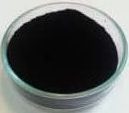
Driving the Future: The Role of Nano Carbon Black in India's Automotive Sector
India's automotive industry is a global powerhouse, constantly evolving and demanding materials that can deliver superior performance, safety, and sustainability. As vehicles become more advanced and consumer expectations rise, the humble tire has transformed into a high-tech component critical to a vehicle's character. At the heart of this transformation is the science of materials, and one of the most promising innovations is nano carbon black. This exceptional tire additive is not just a marginal improvement; it's a quantum leap in automotive tire reinforcement.
For Indian researchers, material scientists, and automotive professionals, understanding nano carbon black is no longer optional—it's essential. This advanced rubber enhancer offers a pathway to developing next-generation tires that are stronger, more durable, and more fuel-efficient. By reducing particle size to the nanoscale, we unlock an enormous surface area that creates an unparalleled bond with the rubber matrix. This guide delves into the world of nano carbon black, exploring its profound benefits, diverse applications, and the exciting opportunities it presents for the Indian R&D landscape, aligning perfectly with national initiatives like 'Make in India' and the push towards electric mobility.
Unlocking Research Potential: Key Benefits of Nano Carbon Black
Exceptional Mechanical Reinforcement
The primary advantage of nano reinforcement is its ability to dramatically improve mechanical properties. Researchers will observe significant increases in tensile strength, tear resistance, and modulus in rubber composites. This is due to the high surface area of nanoparticles, which creates a denser network of filler-polymer interactions, making the final product tougher and more resilient to stress and strain.
Superior Abrasion and Wear Resistance
Tire longevity is a critical factor. Nano carbon black particles form a robust, integrated structure within the rubber, drastically reducing tread wear. For researchers, this translates to quantifiable improvements in abrasion resistance tests, leading to tires that last longer, perform better under harsh Indian road conditions, and offer greater value to the end-user.
Reduced Rolling Resistance & Enhanced Fuel Economy
A key area of modern tire research is minimizing rolling resistance to improve fuel efficiency. The unique properties of nano tire additive allow for the design of tire treads that dissipate less energy as heat during rotation. This lower hysteresis effect directly contributes to lower fuel consumption, a critical selling point in a fuel-price-sensitive market like India and a major goal for EV range extension.
Improved Thermal and Electrical Conductivity
Beyond mechanical strength, nano carbon black enhances the thermal conductivity of tires, allowing for better heat dissipation during long drives at high speeds. This reduces the risk of tire failure. Furthermore, its conductive properties can be tailored to prevent static electricity buildup, an important safety feature, and opens research avenues for smart tires with embedded sensors.
Industry in Motion: Real-World Applications
High-Performance Passenger Vehicles
For premium sedans and SUVs, nano carbon black provides the perfect balance of grip, longevity, and quiet operation. Its role as a tire strengthener ensures safety at high speeds and superior handling in wet and dry conditions, meeting the demands of discerning Indian consumers.
Heavy-Duty Commercial & Truck Tires
The logistics backbone of India relies on durable tires. Using nano carbon black for automotive tire reinforcement in truck tires significantly increases their load-bearing capacity and resistance to cuts and chips, reducing downtime and operational costs for fleet owners.
Electric Vehicle (EV) Tires
EVs present unique challenges: higher weight and instant torque demand extreme tire durability. Nano carbon black delivers the required strength while its low-rolling-resistance properties help maximize the all-important battery range, making it a key automotive nanomaterial for the EV revolution.
Two-Wheeler Tires
In the world's largest two-wheeler market, safety and performance are paramount. Incorporating nano carbon black as a rubber enhancer in motorcycle and scooter tires improves grip, stability, and puncture resistance, offering a safer ride on diverse Indian terrains.
The Road Ahead: Opportunities & Trends in India
The convergence of government initiatives and market demands creates a fertile ground for innovation in automotive reinforcement materials. The 'Make in India' campaign is a powerful catalyst, encouraging domestic R&D and manufacturing of high-performance materials like nano carbon black. Local production can reduce import dependency, lower costs, and create a self-reliant ecosystem for the automotive sector. Indian research institutions and private labs are uniquely positioned to lead studies on optimizing nano carbon black formulations for local conditions, focusing on challenges like extreme heat and varied road quality.
Furthermore, the rapid adoption of Electric Vehicles (EVs) is reshaping tire technology. The need for durable, low-rolling-resistance tires to extend battery range makes nano carbon black for automotive tire reinforcement a critical area of focus. Research into sustainable variants of nano carbon black, derived from biomass or recycled materials, also aligns with the global push for a circular economy. Professionals and researchers who build expertise in these automotive nanomaterials will be at the forefront of India's next industrial chapter, driving innovation from the lab to the highway.
Frequently Asked Questions
Nano Carbon Black consists of particles with dimensions typically under 100 nanometers. This incredibly small particle size provides a much larger surface area compared to traditional carbon black, leading to significantly enhanced reinforcement, better dispersion in rubber matrices, and improved overall tire properties like wear resistance and fuel efficiency.
Yes, but with proper precautions. Like any nanomaterial, it requires handling in a controlled environment to prevent inhalation. Researchers should use personal protective equipment (PPE) such as gloves, goggles, and respiratory masks, and work within a fume hood or ventilated enclosure to minimize exposure.
By improving the tire's rolling resistance. The uniform dispersion and strong interaction of nano carbon black with the rubber polymer reduce internal friction within the tire as it rolls. This lowers the energy required to move the vehicle, directly translating to better fuel economy.
Absolutely. In fact, it's highly beneficial for EV tires. EVs are heavier and deliver instant torque, which increases tire wear. Nano Carbon Black provides the necessary durability and strength to handle these demands, while its ability to lower rolling resistance can help extend the vehicle's battery range.