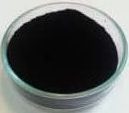
In the competitive landscape of Indian industry, particularly in the automotive, aerospace, and heavy machinery sectors, the demand for high-performance components is relentless. Every part, no matter how small, plays a critical role in overall efficiency, safety, and longevity. Among these, the humble rubber seal is a silent workhorse, preventing leaks, containing pressures, and protecting sensitive components from contaminants. However, traditional rubber seals often fall short when faced with extreme temperatures, aggressive chemicals, and constant mechanical stress, leading to premature failure, costly downtime, and safety hazards.
This is where the frontier of materials science offers a groundbreaking solution: nano carbon black. As a highly engineered rubber additive, nano carbon black is revolutionizing rubber seal manufacturing. By integrating these nanoparticles into rubber compounds, manufacturers can create seals with dramatically enhanced properties. This isn't just an incremental improvement; it's a leap forward in seal durability and performance. For Indian researchers and R&D professionals, understanding and leveraging this seal enhancer is key to driving innovation, boosting product value, and aligning with the "Make in India" mission of producing world-class goods.
Key Benefits for Indian Researchers and Manufacturers
Integrating nano carbon black into rubber formulations is not merely a technical exercise; it's a strategic move that delivers tangible advantages. For the Indian R&D community and industrial sector, this nano rubber additive unlocks a new tier of performance and reliability.
- Unmatched Mechanical Reinforcement: The extremely high surface area of nano carbon black creates a powerful interlocking network within the polymer matrix. This results in a significant boost to tensile strength, tear resistance, and abrasion resistance, making seals that can withstand greater physical stress.
- Superior Thermal Stability: Seals enhanced with nano carbon black exhibit a lower coefficient of thermal expansion and improved heat dissipation. This allows them to maintain their integrity and sealing capability across a wider temperature range, from cryogenic colds to engine-high heats.
- Enhanced Chemical and Weathering Resistance: The dense, cross-linked structure imparted by this rubber strengthener makes the seal less permeable to fluids, oils, and corrosive chemicals. It also improves resistance to UV radiation and ozone, crucial for components exposed to the elements.
- Improved Dynamic Properties: For seals in dynamic applications (e.g., rotating shafts), nano carbon black reduces heat buildup and improves rebound resilience. This translates to a longer operational life and more consistent performance.
- Path to Miniaturization and Lightweighting: By making rubber stronger, nano carbon black allows engineers to design smaller, lighter seals that deliver the same or better performance. This is a critical advantage in industries like aerospace and electric vehicles, where every gram counts.
Transforming Industries: Key Applications of Nano Carbon Black Seals
The impact of this advanced sealant additive is being felt across numerous high-stakes industries in India. The enhanced durability and reliability of these seals are solving long-standing engineering challenges.
Automotive Sector
In engine gaskets, o-rings, and transmission seals, nano carbon black provides the resilience needed to handle high temperatures, aggressive fluids, and constant vibration. This leads to more reliable vehicles, lower warranty claims, and supports the development of more efficient, high-compression engines.
Industrial Machinery & Manufacturing
For hydraulic and pneumatic systems in heavy machinery, a robust carbon black seal is paramount. Enhanced seals prevent costly fluid leaks, protect equipment from contaminants, and reduce maintenance downtime in India's booming manufacturing and construction sectors.
Aerospace & Defense
Seals in aircraft must perform flawlessly under extreme pressure and temperature differentials. Nano carbon black provides the necessary seal durability and reliability for fuel systems, hydraulic actuators, and environmental control systems, meeting the stringent safety standards of this sector.
Oil & Gas Exploration
In downhole drilling and pipeline applications, seals are exposed to harsh chemicals, high pressures, and abrasive materials. A nano sealant additive ensures that seals resist degradation, preventing environmental hazards and ensuring operational continuity in this critical energy sector.
The Indian Landscape: Opportunities and Future Trends
The adoption of advanced materials like nano carbon black for rubber seal manufacturing aligns perfectly with India's strategic goals. The "Make in India" initiative encourages domestic production of high-value, technologically advanced goods. By mastering the use of nanomaterials, Indian manufacturers can reduce reliance on imported specialty components and establish themselves as global leaders in high-performance polymer products.
Furthermore, as India's automotive industry pivots towards electric vehicles (EVs), the demand for durable, lightweight, and thermally efficient components will skyrocket. The role of a superior seal enhancer becomes even more critical in battery enclosures, cooling systems, and motor assemblies. Researchers in institutions across the country have a golden opportunity to collaborate with industry, optimizing formulations of this nano rubber additive for next-generation applications. The future of rubber manufacturing in India is not just about scale, but about sophistication, and nano carbon black is a cornerstone of that evolution.
Frequently Asked Questions (FAQ)
Nano carbon black consists of carbon particles with diameters typically less than 100 nanometers. Its incredibly small particle size and high surface-area-to-volume ratio give it superior reinforcement properties compared to conventional carbon black, making it an exceptional rubber additive.
It improves durability by creating a stronger, more integrated polymer matrix within the rubber. This enhances tensile strength, tear resistance, and abrasion resistance. It also improves thermal stability and chemical resistance, preventing the seal from degrading under harsh operating conditions, thus extending its service life.
Like all nanomaterials, nano carbon black requires specific handling protocols to ensure workplace safety. Proper personal protective equipment (PPE), including respirators, gloves, and protective clothing, along with adequate ventilation and containment systems, are crucial to minimize inhalation or contact risks. Manufacturers should adhere to national safety guidelines for handling nanomaterials.
The optimal loading percentage, or parts per hundred rubber (phr), varies depending on the type of rubber and the desired properties of the final product. Generally, it ranges from 1 to 20 phr. Researchers and engineers must conduct trials to determine the ideal concentration for their specific application to balance performance enhancement and cost-effectiveness.
Sourcing high-purity, well-characterized nanomaterials is critical for research and industrial applications. Specialized suppliers like Hiyka provide a range of nano carbon black products suitable for R&D and industrial prototyping, ensuring consistency and quality for demanding applications.