Introduction: A New Frontier in Aerospace Materials
The aerospace industry is a relentless pursuit of the pinnacle of performance, safety, and longevity. From commercial airliners to deep-space satellites, every component is subjected to extreme conditions: vast temperature swings, intense UV radiation, corrosive elements, and immense mechanical stress. In this high-stakes environment, the surface coatings applied to aircraft and spacecraft are not just for aesthetics; they are a critical line of defense. For Indian researchers and professionals in the materials science and aerospace sectors, a groundbreaking innovation is redefining the capabilities of these protective layers: nano carbon black.
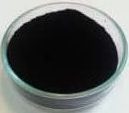
Traditionally, carbon black has been used as a pigment and reinforcing agent in various materials. However, by shrinking the particle size down to the nanoscale, its properties are magnified exponentially. When formulated into a high-performance dispersion, this advanced material becomes a powerful coating additive. The result is a nano coating that offers a suite of enhancements far beyond conventional solutions. This technology is not just an incremental improvement; it represents a paradigm shift in how we protect and enhance aerospace materials, directly contributing to greater aerospace durability and operational efficiency.
For India, with its rapidly growing aerospace and defense manufacturing ecosystem, harnessing the potential of materials like nano carbon black dispersion is paramount. It offers a pathway to developing homegrown, cutting-edge technologies that can compete on a global scale, reducing reliance on imported specialty chemicals and fostering innovation within the national R&D landscape.
Unlocking Unprecedented Benefits for Researchers and Industry
The integration of nano carbon black into aerospace coatings provides a multitude of benefits that are of particular interest to the scientific and industrial community. This is not merely about a stronger paint; it's about creating a multifunctional surface that actively contributes to the aircraft's performance and lifespan.
- Superior UV Protection: Aerospace vehicles, especially at high altitudes, are exposed to intense ultraviolet radiation, which can degrade polymers and coatings. Nano carbon black is an exceptional UV absorber, preventing this degradation and dramatically extending the service life of the coating and the underlying aerospace material.
- Enhanced Electrical Conductivity: The nano-particle network within the coating creates an electrically conductive surface. This is critical for dissipating static charge buildup on aircraft surfaces, a phenomenon that can interfere with sensitive electronic equipment. This property also forms the basis for advanced EMI (Electromagnetic Interference) shielding applications.
- Improved Mechanical Properties: As a coating enhancement agent, nano carbon black significantly increases the hardness, scratch resistance, and flexibility of coatings. This leads to superior aerospace durability, reducing damage from runway debris, hail, and routine maintenance activities.
- Thermal Stability and Management: Coatings formulated with nano carbon black exhibit improved thermal stability, helping to protect substrates from extreme heat and cold cycles. Its properties can also be tailored for thermal dissipation or insulation, a key requirement for various aerospace components.
- Lightweight Solution: Achieving these multifunctional properties does not come with a significant weight penalty. The efficiency of nano carbon black means that a very small amount is needed to achieve desired effects, aligning with the aerospace industry's constant drive for weight reduction.
Transforming Aerospace: Key Applications in Focus
The versatility of nano carbon black dispersion allows for its use across a wide range of critical aerospace applications. Each application leverages a specific set of the nanomaterial's enhanced properties, showcasing its role as a truly multifunctional coating additive.
1. High-Durability Fuselage and Wing Coatings
The primary exterior surfaces of an aircraft require the utmost protection. A nano coating containing carbon black provides a tough, resilient barrier against weathering, erosion, and chemical contaminants like de-icing fluids. Its deep black color and UV resistance ensure a long-lasting, stable finish, reducing the frequency of costly repainting operations.
2. Anti-Static and EMI Shielding Coatings
For radomes, antenna housings, and electronic enclosures, managing electromagnetic properties is crucial. An electrically conductive aerospace coating based on nano carbon black safely dissipates static electricity and can be formulated to shield sensitive avionics from external electromagnetic interference, ensuring operational integrity.
3. Thermal Control Surfaces for Satellites
In the vacuum of space, temperature is managed through radiation. Coatings with precisely controlled absorptivity and emissivity are essential. Nano carbon black's properties allow for the formulation of coatings that help maintain the optimal operating temperature for satellite components, protecting them from the extreme heat of direct sunlight and the cold of deep space.
4. Conductive Primers and Adhesives
Beyond topcoats, carbon black dispersion is being integrated into primers and structural adhesives. A conductive primer ensures electrical continuity between composite panels, which is vital for lightning strike protection. In adhesives, it can add strength and conductivity, creating a more robust and functional bond.
Opportunities and Future Trends in the Indian Context
The landscape for advanced materials in India is buzzing with potential. The "Make in India" initiative, coupled with a strategic focus on indigenous defense and aerospace manufacturing, creates a fertile ground for technologies like nano carbon black dispersion for high-performance coatings. Indian research institutions and private sector players are increasingly focusing on developing next-generation materials that can meet and exceed global standards.
A key trend is the move towards "smart" or functional coatings. The market is no longer satisfied with passive protection. There is a growing demand for coatings that can sense damage, de-ice themselves, or manage thermal loads actively. Nano aerospace materials are at the heart of this revolution. For instance, the conductive network formed by nano carbon black could be used to integrate sensors directly into the coating to monitor structural health.
Furthermore, sustainability is a growing concern. The enhanced durability offered by these nano coatings means longer repaint cycles, reducing waste, volatile organic compound (VOC) emissions, and lifetime maintenance costs. As Indian aerospace manufacturers aim for greener operations, the longevity provided by a superior coating enhancement technology becomes a significant selling point. The development of stable, water-based high-performance dispersions of nano carbon black will be a critical next step in this eco-friendly evolution.
Frequently Asked Questions
Nano carbon black is a form of carbon black with particle sizes in the nanometer range. This small particle size provides a massive surface area, leading to significantly enhanced properties when used as a coating additive, such as improved conductivity, UV resistance, and mechanical strength.
A high-performance dispersion ensures that nano carbon black particles are evenly distributed throughout the coating matrix. Poor dispersion can lead to agglomeration, creating weak points in the coating. Proper dispersion is key to unlocking the full potential of the nano additive for consistent and reliable performance, which is critical in the aerospace industry.
Nano carbon black enhances aerospace durability in several ways: it significantly improves UV radiation resistance, preventing material degradation; it increases the coating's hardness and abrasion resistance; and it can improve thermal stability, protecting the underlying aerospace material from extreme temperature fluctuations.
Absolutely. While it is an excellent pigment, its primary value in high-performance aerospace coatings comes from its functional properties. It's a multifunctional coating additive used for electrical conductivity (for anti-static and EMI shielding), UV protection, and mechanical reinforcement. The color is often a secondary benefit.
Ready to Elevate Your Research?
Explore our range of advanced carbon nanomaterials and dispersions to find the perfect solution for your high-performance application. Partner with us to drive innovation.
View Related Products