The Invisible Shield: Why Nano Carbon Black is a Game-Changer for Electromagnetic Protection
In our hyper-connected world, we are surrounded by an invisible sea of electromagnetic waves. From Wi-Fi signals and mobile networks to sensitive medical and military equipment, electromagnetic interference (EMI) is a pervasive challenge. This "electronic smog" can disrupt device performance, compromise data integrity, and even pose security risks. For a rapidly advancing nation like India, with its booming electronics manufacturing sector and modernizing defense forces under the "Make in India" initiative, robust EMI shielding is not just a technical requirement—it's a strategic necessity.
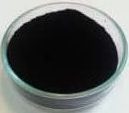
Enter nano carbon black, a revolutionary material poised to redefine the standards of electromagnetic protection. Unlike its conventional counterparts, nano carbon black is an advanced nanomaterial engineered for exceptional performance. It consists of carbon particles with diameters typically less than 100 nanometers. This incredibly small size gives it a massive surface-area-to-volume ratio, creating unique properties that make it a highly effective EM wave absorber. By efficiently converting electromagnetic energy into thermal energy, it acts as a superior shielding enhancer, neutralizing interference rather than just reflecting it. Its lightweight and versatile nature make it the ideal nano EM additive for creating next-generation shielding solutions.
The Researcher's Edge: Benefits for Indian R&D
-
Superior Shielding Effectiveness (SE)
Nano carbon black creates a highly efficient conductive network within materials, enabling exceptional wave absorption and damping across a broad frequency spectrum, outperforming many traditional metallic fillers.
-
Lightweight & Flexible Composites
As a nano shielding additive, it requires a much lower loading percentage than conventional fillers to achieve high SE. This leads to lighter, more flexible, and less corrosive composites, crucial for aerospace, drones, and wearable electronics.
-
Cost-Effective & Scalable
The high efficiency of nano carbon black translates to lower material costs and easier processing, making it a viable solution for large-scale industrial production and contributing to India's self-reliance in advanced materials.
-
Tunable Properties for Custom Solutions
Researchers can fine-tune the properties of the carbon black absorber by controlling particle size, structure, and dispersion. This allows for the development of bespoke shielding materials tailored to specific frequency ranges and application requirements.
From Lab to Market: Key Applications in Indian Industries
Defense & Aerospace
For India's defense sector, electromagnetic protection is paramount. Nano carbon black is used in developing radar-absorbent materials (RAM) for stealth coatings on aircraft and ships. It also provides critical EMI shielding for sensitive avionics and communication systems, enhancing mission reliability and survivability.
Telecommunications
With the nationwide rollout of 5G, signal integrity is key. Nano carbon black materials can be used to create enclosures and coatings for base stations and network equipment, preventing signal bleed and cross-talk, ensuring a more stable and efficient network infrastructure.
Consumer Electronics
The demand for smaller, more powerful devices drives the need for compact electromagnetic shielding. This nano additive is ideal for shielding components within smartphones, laptops, and IoT devices, preventing internal interference and ensuring compliance with international EMC standards.
Healthcare & Medical Devices
In hospitals, EMI can disrupt life-saving medical equipment like MRI machines and patient monitors. Coatings and casings infused with nano carbon black provide effective wave damping, protecting sensitive devices from interference and ensuring patient safety.
Market Trends and Opportunities in India
The Indian market for high-performance materials is on an upward trajectory, driven by government policies and private sector innovation. The push for domestic manufacturing in electronics and defense has created a fertile ground for advanced materials like nano carbon black for electromagnetic wave absorption materials. As devices become more compact and operate at higher frequencies, the need for efficient, lightweight, and broadband EM wave absorbers will only intensify. This presents a significant opportunity for Indian researchers and companies to innovate and capture a share of this growing market.
Future research is focused on developing hybrid composites, combining nano carbon black with other materials like ferrites or conductive polymers to achieve even greater shielding effectiveness across multiple frequency bands. The development of flexible and transparent shielding films also holds immense promise for next-generation displays and wearable technology. For Indian innovators, the time is ripe to leverage the unique capabilities of the carbon black absorber to create globally competitive products.